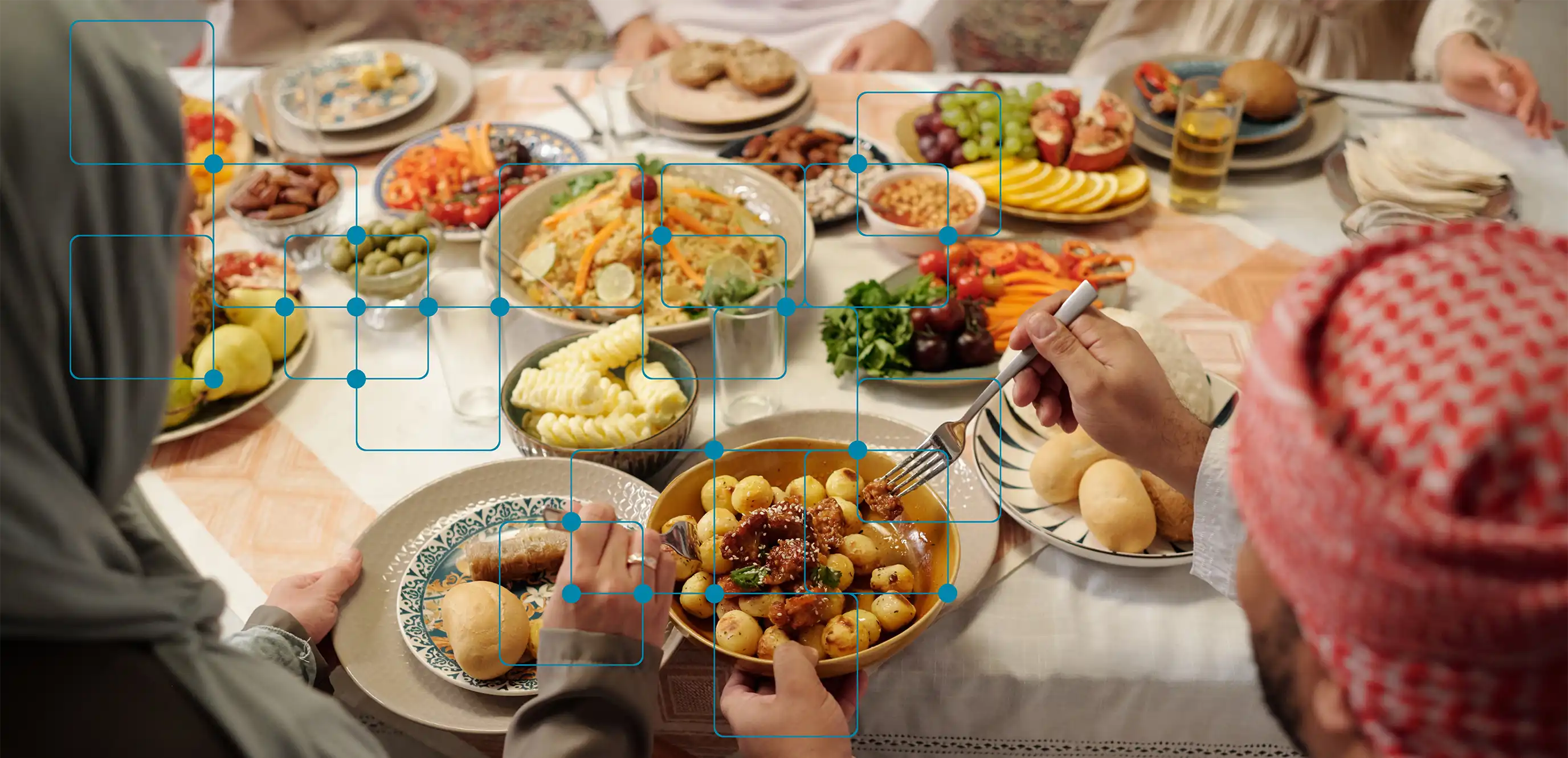
العودة المفاجئة لتناول الوجبات الدسمة والحلويات بعد شهر من الصيام قد تؤدي إلى اضطرابات هضمية حادة وتقلبات خطيرة في مستويات السكر في الدم. إليكم نصائح الخبراء حول ما يجب مراقبته وكيفية الحفاظ على سلامتكم.
بينما يستعد الملايين في الإمارات والعالم العربي للاحتفال بعيد الفطر، يطلق الأطباء تحذيراً صحياً موسمياً مهماً. فقد حذر الأطباء من ظاهرة يطلقون عليها "صدمة ما بعد رمضان"، وهي اضطراب فسيولوجي يحدث عندما يتعرض الجسم، بعد 30 يوماً من الصيام المنضبط، فجأة للأطعمة الدسمة والحلويات السكرية وتوقيتات الوجبات غير المنتظمة.
وفي حديثهم لصحيفة "إمارات توداي"، حددت مجموعة من أطباء الجهاز الهضمي والغدد الصماء وخبراء التغذية السريرية المشكلات الصحية الثلاث الأكثر شيوعاً التي تزداد حدتها خلال عيد الفطر، وقدموا خمس إرشادات عملية لمساعدة الناس على الاستمتاع بالعيد دون المساس بصحتهم.
خلال شهر رمضان، يخضع جسم الإنسان لعملية إعادة ضبط هادئة وعميقة. تتقلص المعدة استجابةً لأحجام الوجبات الصغيرة، وتصبح حركة الأمعاء أكثر انتظاماً وهدوءاً، وتتكيف الأنظمة الهرمونية التي تتحكم في الجوع وإفراز الأنسولين مع نمط وجبتين منظم للغاية. هذه العملية الفسيولوجية ليست سطحية، بل تمتد لتشمل أنظمة الجسم الهضمية والغدد الصماء.
يقضي الجسم شهراً كاملاً في إعادة ضبط نفسه. وعندما يأتي العيد ونتوقع أن يتغير كل شيء فجأة، نصطدم بحقيقة أن الجسم لا يعمل بهذه الطريقة.
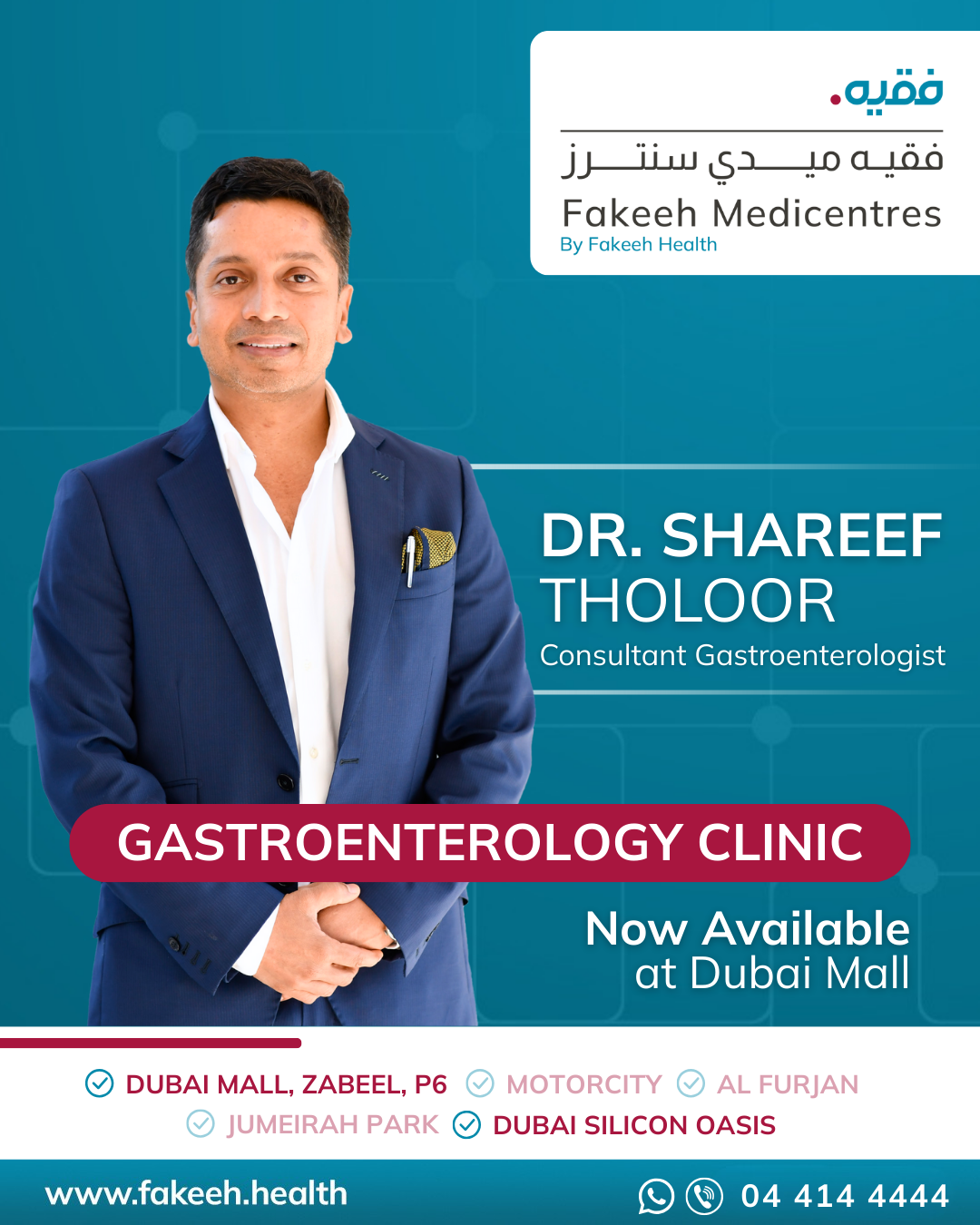
— د. شريف ثولور، رئيس قسم أمراض الجهاز الهضمي للبالغين / استشاري أمراض الجهاز الهضمي في مستشفى فقيه الجامعي، واحة دبي للسيليكون
وأوضح أن تناول وجبات ثقيلة متعددة في يوم واحد، خاصة تلك الغنية بالدهون والسكريات المكررة والمعجنات، يؤدي إلى انهيار هذا التوازن الذي تم بناؤه بعناية، ويحفز سلسلة من الأعراض الهضمية التي تتراوح بين الانزعاج البسيط والمشاكل السريرية الكبيرة.

حدد الخبراء الطبيون ثلاث مخاوف صحية رئيسية يتم رصدها باستمرار لدى المرضى مباشرة بعد عيد الفطر:
الانتفاخ، وحرقة المعدة، وارتجاع المريء، والشعور المستمر بالامتلاء، وعدم انتظام حركة الأمعاء هي الأعراض المميزة لجهاز هضمي أُرهق بسبب الإفراط الغذائي المفاجئ.
يؤدي الإفراط في تناول الحلويات الشرقية والمشروبات السكرية والسكريات إلى ارتفاع حاد في مستويات سكر الدم يتبعه انخفاض مفاجئ، مما يشكل مخاطر جسيمة على مرضى السكري والأشخاص المعرضين للإصابة به.
تتسبب الأطعمة الغنية بالسكريات السريعة في تذبذب مستويات الطاقة؛ حيث تعقب دفعة الطاقة القصيرة حالة من الإرهاق، والتشوش الذهني، والصداع، وزيادة غير طبيعية في الشهية، مما يعيق ممارسة الأنشطة اليومية.
قد يعاني الأشخاص الذين لديهم حالات صحية مسبقة — مثل متلازمة القولون العصبي، أو ارتجاع المريء، أو داء السكري من النوع الثاني، أو أولئك المعرضون لخطر الإصابة بالسكري — من أعراض أكثر حدة لهذه المشكلات الثلاث، لذا ينبغي عليهم توخي حذر إضافي خلال فترة العيد.
حذر د. شريف ثولور من أن الوجبات الاحتفالية الدسمة تضع الجهاز الهضمي تحت ضغط ميكانيكي وإنزيمي كبير، وهو ضغط لا يمتلك الجهاز الهضمي القدرة الكافية للتعامل معه بعد شهر من انخفاض وتيرة العمل. فقد تكيفت المعدة فعلياً مع حصص طعام أصغر، وانخفض إنتاج الإنزيمات الهاضمة، واستقرت حركة الأمعاء على إيقاع أبطأ وأكثر انتظاماً.
عند تناول وجبات متعددة وكبيرة وغنية بالدهون بشكل متسارع، خاصة خلال يوم كامل من التجمعات والزيارات العائلية، تكون النتائج متوقعة: انتفاخ، وزيادة في إفراز الأحماض، وضغط على الصمام الفاصل بين المعدة والمريء، مما يسبب حرقة مؤلمة وارتجاعاً حمضياً.
سلط د. شريف ثولور الضوء على نمطين سلوكيين شائعين جداً خلال العيد يفاقمان أعراض الجهاز الهضمي بشكل كبير. أولاً، المشروبات الغازية — التي تُستهلك بكثرة في التجمعات الاجتماعية — تُدخل كميات كبيرة من الغازات إلى جهاز هضمي مثقل بالطعام بالفعل، مما يزيد بشكل كبير من الانتفاخ وعدم الراحة. وقد أوصى إما بتجنب المشروبات الغازية أثناء الوجبات أو الفصل بينهما بساعة على الأقل.
ثانياً، عادة العيد الشائعة بالاستلقاء أو الاتكاء بعد الوجبات الكبيرة تزيد بشكل كبير من خطر الإصابة بالارتجاع الحمضي. ونصح بالانتظار لمدة لا تقل عن ساعتين إلى ثلاث ساعات بعد الأكل قبل الاستراحة، للسماح لمحتويات المعدة بالبدء في التفريغ قبل أن يتخذ الجسم وضعية أفقية.
تناولت د. ناصيف المسألة من زاوية هرمونية وأيضية، موضحة أن شهر رمضان يعيد ضبط أنماط إفراز الأنسولين ودورات تنظيم سكر الدم في الجسم بشكل جذري. ومع حصر الوجبات في فترات زمنية محددة يومياً، يقوم البنكرياس بتكييف جدول إفراز الأنسولين، وتتغير حساسية الجسم للجلوكوز وفقاً لذلك.
عند حلول العيد وحدوث تناول مفاجئ وغير منضبط للسكريات سريعة الامتصاص — من الحلويات التقليدية، والمشروبات المحلاة، والعصائر، والسكريات — ترتفع مستويات الجلوكوز في الدم بشكل حاد. ويتبع ذلك استجابة مفرطة من الأنسولين تؤدي إلى انخفاض سريع في سكر الدم، مما يخلق دورة الإرهاق والصداع والجوع المعتادة التي يعاني منها الكثيرون في منتصف ظهيرة اليوم الأول من العيد.
يؤدي تناول السكريات سريعة الامتصاص إلى تقلبات حادة في مستويات الطاقة؛ حيث يرتفع السكر بسرعة ثم ينخفض فجأة، مما يسبب الإرهاق والتوتر واضطراب الأنشطة اليومية.
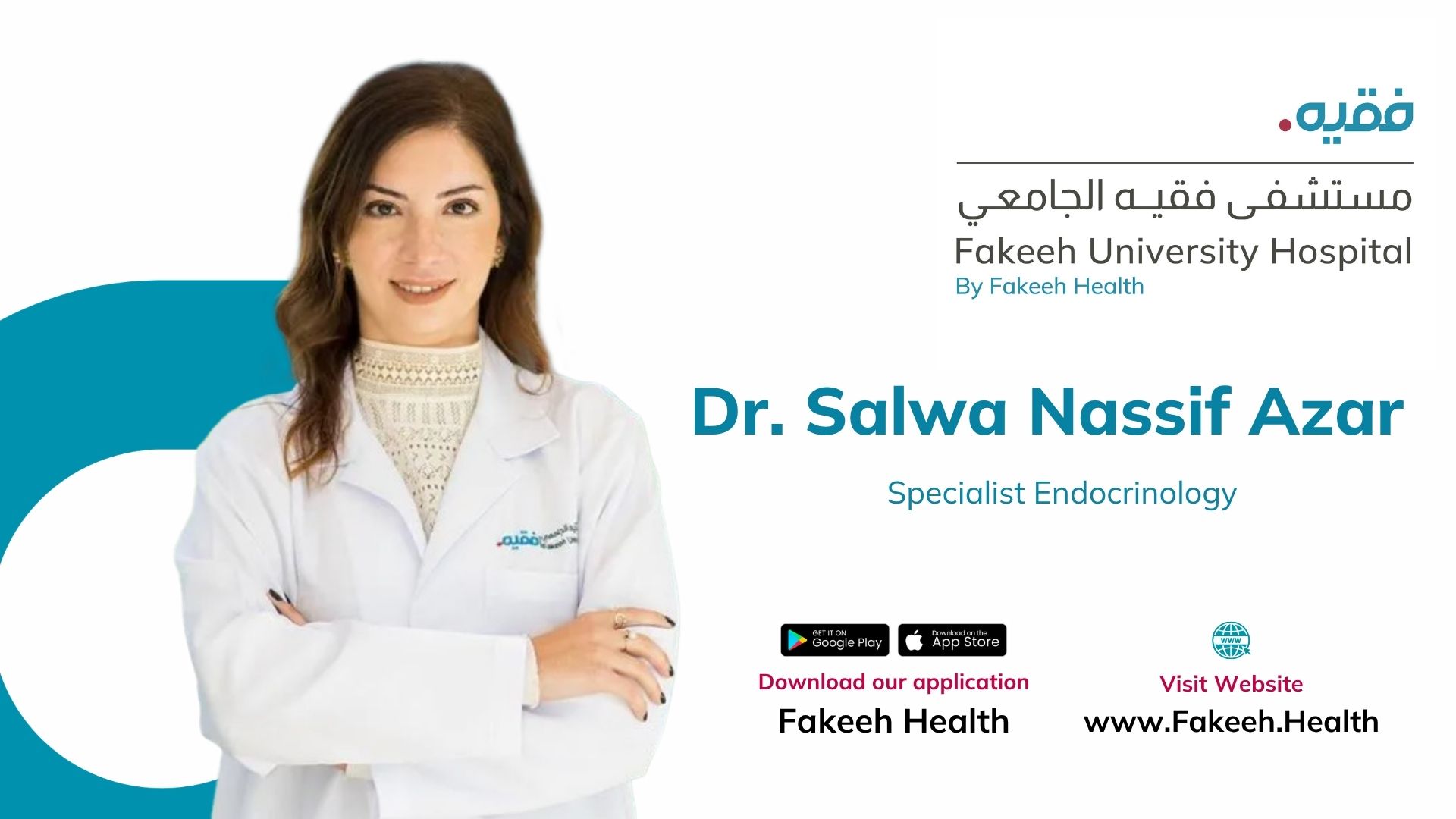
— د. سلوى نصيف عازار، أخصائية الغدد الصماء في مستشفى جامعة فقيه، دبي سيليكون أوايسس (DSO)
بالنسبة للأشخاص المصابين بداء السكري من النوع الثاني أو الذين يعانون من مستويات سكر في الدم على الحدود الطبيعية، فإن هذا الاضطراب الهرموني ليس مجرد أمر مزعج فحسب، بل قد يشكل خطراً طبياً يتطلب رعاية متخصصة إذا لم تتم إدارته بعناية.
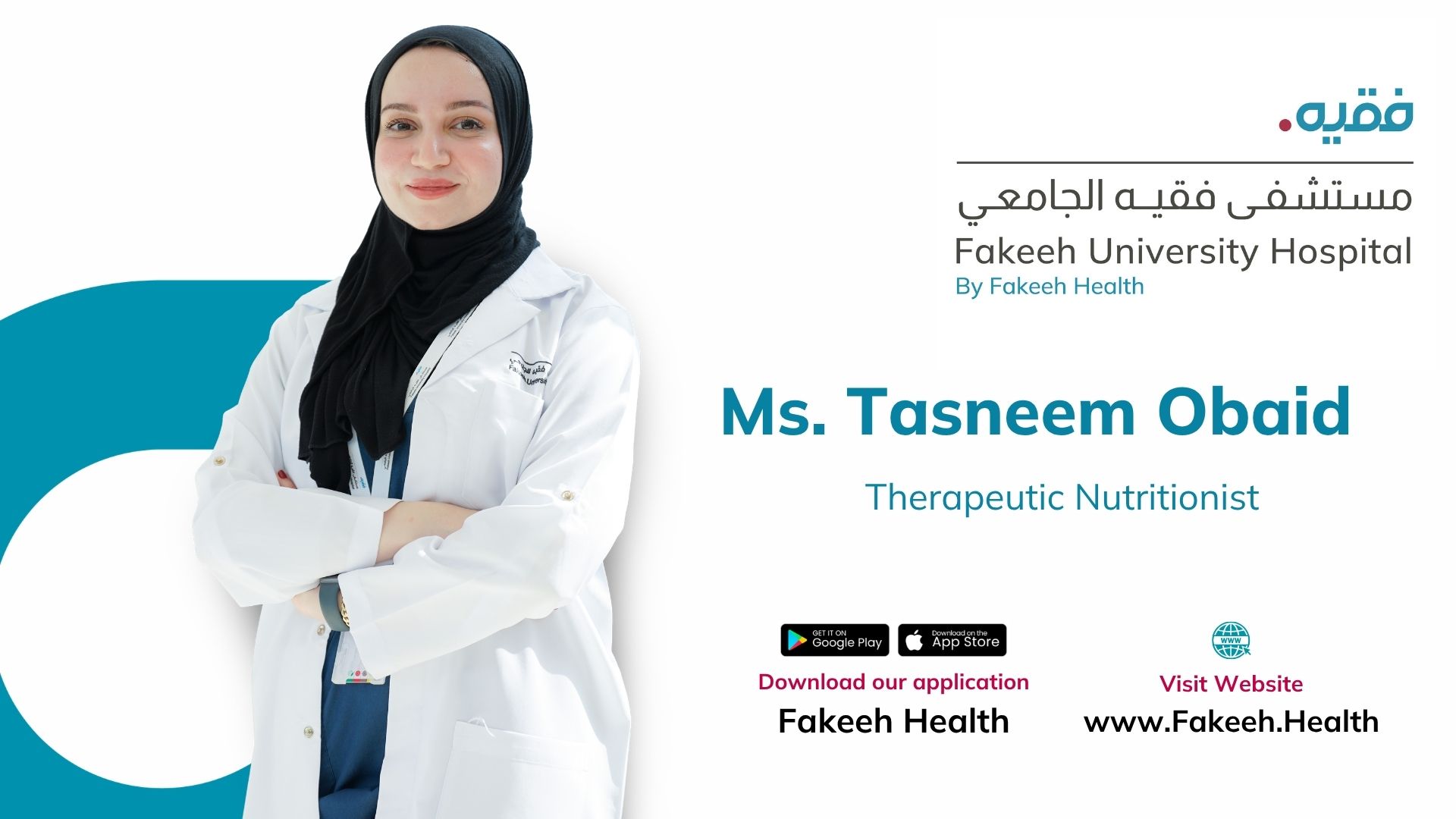
وسعت أخصائية التغذية السريرية تسنيم عبيد نطاق الحديث ليتجاوز مجرد الطعام، مؤكدة أن الانتقال الصحي لما بعد رمضان يتطلب الاهتمام بكافة جوانب نمط الحياة: ليس فقط ما تأكله، بل متى تأكله، ومقدار حركتك، وجودة نومك.
حددت عبيد مشكلة تراكمية فريدة خلال فترة العيد، وهي التوقف شبه التام عن النشاط البدني. فمع انشغال الأيام بالزيارات العائلية والتجمعات الاجتماعية والسفر، يقل نشاط معظم الناس بشكل ملحوظ عن المعتاد. وهذا النمط الخامل، مقترناً بالإفراط في السعرات الحرارية، يسرع من تراكم الدهون، ويساهم في خمول التمثيل الغذائي، ويزيد من الشعور بالإرهاق الذي يربطه الكثيرون بـ "فترة التراجع" التي تلي العطلة.
وشددت على أن ممارسة نشاط بدني بسيط، كالمشي لمدة 20 دقيقة بين الزيارات العائلية على سبيل المثال، يلعب دوراً مهماً في تحسين حساسية الأنسولين، ودعم عملية الهضم، والحفاظ على الزخم الأيضي الذي حرص الكثيرون على بنائه خلال شهر رمضان.
من خلال آراء المتخصصين الثلاثة، برزت خمس توصيات أساسية كأهم الخطوات لحماية الصحة خلال عيد الفطر:
1 - أعد إدخال الطعام تدريجياً — لا تتسرع
2 - اعتدل في تناول الحلويات والسكريات بصرامة
3 - اعتدل في تناول الدهون وتجنب الإفراط
4 - حافظ على رطوبة جسمك بالماء — لا بالمشروبات السكرية
5 - حافظ على مواعيد الوجبات وادمج نشاطاً خفيفاً
عيد الفطر وقت للفرح والترابط والاحتفال، لكن الاعتدال يظل أقوى أداة صحية بين يديك. فجسمك بعد رمضان في حالة تكيف وليس في حالة فشل، لذا تعامل معه بنفس العناية والوعي اللذين ميزا الشهر الذي سبقه.
تشير صدمة ما بعد رمضان إلى الاضطراب الفسيولوجي الذي يواجهه الجسم عند العودة المفاجئة إلى تناول الطعام دون قيود بعد 30 يوماً من الصيام المتقطع خلال شهر رمضان. تتكيف الإنزيمات الهاضمة وسعة المعدة وتنظيم الأنسولين في الجسم خلال فترة الصيام، لذا فإن التدفق المفاجئ للأطعمة الغنية بالدهون والسكريات في العيد قد يرهق هذه الأنظمة، مما يؤدي إلى اضطرابات هضمية وتقلبات في سكر الدم وانخفاض في مستويات الطاقة.
وفقاً لأطباء الجهاز الهضمي، يحتاج الجهاز الهضمي عادةً إلى فترة تتراوح بين أسبوع وأسبوعين من الانتقال الغذائي التدريجي ليعيد ضبط توازنه بالكامل بعد رمضان. ويشير أطباء الغدد الصماء إلى أن التوازن الهرموني، وخاصة حساسية الأنسولين، يمكن أن يعود إلى طبيعته في غضون بضعة أيام إلى أسبوع، بشرط أن تظل عادات الأكل خلال العيد معتدلة ومنتظمة.
نعم. أكدت الدكتورة سلوى نصيف، استشارية الغدد الصماء، أن الأشخاص المصابين بداء السكري من النوع الثاني، أو ما قبل السكري، أو من لديهم تاريخ عائلي للإصابة بالمرض، يواجهون خطراً متزايداً بشكل ملحوظ خلال فترة العيد بسبب الكميات الكبيرة من السكريات سريعة الامتصاص الموجودة في الحلويات التقليدية والمشروبات الاحتفالية. يجب على هؤلاء الأفراد استشارة مقدم الرعاية الصحية الخاص بهم للحصول على توجيهات مخصصة قبل وأثناء العيد.
ينصح الخبراء الطبيون بتجنب تناول كميات كبيرة من الأطعمة المقلية، والمعجنات الدسمة، والحلويات الشرقية على معدة فارغة، والمشروبات الغازية المحلاة خلال أيام العيد الأولى. فهذه الأطعمة تضع أكبر قدر من الضغط على الجهاز الهضمي ونظام الغدد الصماء اللذين اعتادا على وجبات أخف وأكثر تنظيماً طوال شهر رمضان.
اقرأ المزيد: