الجراحة الروبوتية في مستشفى الفقيه الجامعي دبي هي نهج جراحي طفيف التوغل يستخدم أنظمة روبوتية متطورة يتحكم فيها جراحون خبراء لإجراء عمليات معقدة بدقة عالية، وشقوق أصغر، وألم أقل، وشفاء أسرع. يقدم المستشفى الجراحة الروبوتية في تخصصات متعددة، بما في ذلك جراحة المسالك البولية، وأمراض النساء، والجراحة العامة، وجراحة القولون والمستقيم، والأورام، بدعم من غرف عمليات متطورة وفرق متعددة التخصصات من ذوي الخبرة.
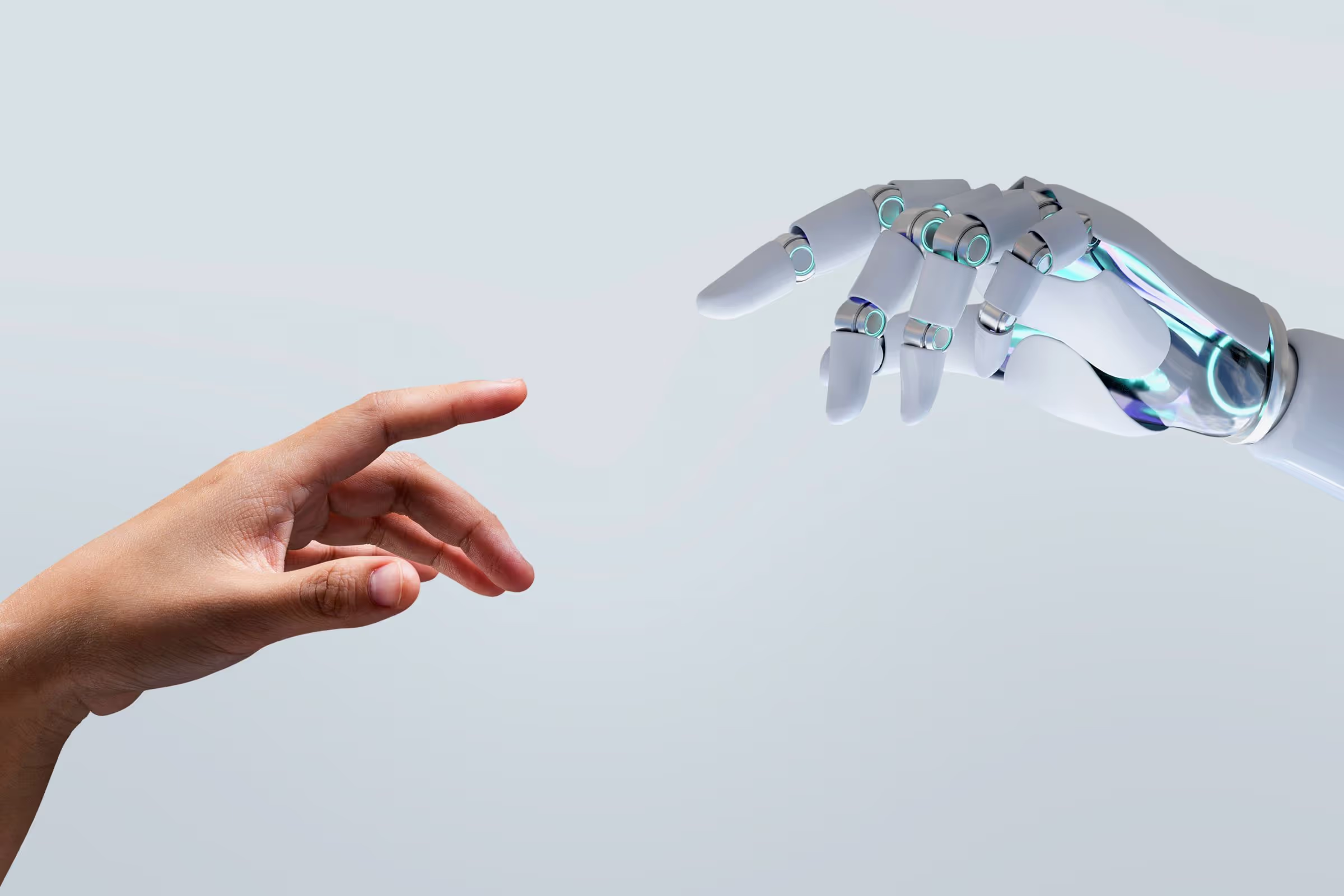
الجراحة الروبوتية، التي يشار إليها غالبًا باسم الجراحة بمساعدة الروبوت، هي طريقة تسمح للجراحين بإجراء العمليات الجراحية بدقة ومرونة وتحكم أكبر مما هو ممكن باستخدام التقنيات التقليدية. من المهم أن نفهم أن الروبوت لا يجري الجراحة بمفرده؛ فهو أداة متطورة يتم التحكم فيها بالكامل من قبل جراح ذي مهارة عالية.
يتكون النظام عادة من ثلاثة مكونات رئيسية: وحدة تحكم الجراح، وعربة بجانب المريض مزودة بأذرع آلية، ونظام رؤية ثلاثي الأبعاد عالي الدقة.
هذا التآزر بين الخبرة البشرية والدقة الروبوتية يسمح لجراحينا بالتعامل مع الأجزاء التشريحية الدقيقة والمعقدة بدقة ملحوظة، مما يجعله مثالياً لمجموعة واسعة من الإجراءات.
يكمن الاختلاف الأساسي في حجم الشقوق الجراحية. تتطلب الجراحة المفتوحة التقليدية شقًا كبيرًا ليتمكن الجراح من رؤية الأعضاء بشكل مباشر واستخدام أدوات جراحية كبيرة. وقد يؤدي ذلك إلى ألم شديد وفقدان كبير للدم وفترة نقاهة طويلة.
في المقابل، الجراحة الروبوتية هي شكل من أشكال الجراحة طفيفة التوغل التي تستخدم عدة شقوق صغيرة، لا يزيد طول كل منها عادة عن سنتيمتر واحد. من خلال هذه الفتحات الصغيرة، يقوم الجراح بإدخال الأذرع الروبوتية مع أدواتها المصغرة والكاميرا ثلاثية الأبعاد. تجنب هذه الطريقة الحاجة إلى شق كبير، مما يقلل بشكل كبير من الصدمة التي يتعرض لها الجسم.
يكمن الاختلاف الأساسي في حجم الشقوق الجراحية. تتطلب الجراحة المفتوحة التقليدية شقًا كبيرًا ليتمكن الجراح من رؤية الأعضاء بشكل مباشر واستخدام أدوات جراحية كبيرة. وقد يؤدي ذلك إلى ألم شديد وفقدان كبير للدم وفترة نقاهة طويلة.
هذه المزايا تجعل الجراحة الروبوتية خيارًا شائعًا ومفضلًا بشكل متزايد لكل من الجراحين والمرضى.
في المقابل، الجراحة الروبوتية هي شكل من أشكال الجراحة طفيفة التوغل التي تستخدم عدة شقوق صغيرة، لا يزيد طول كل منها عادة عن سنتيمتر واحد. من خلال هذه الفتحات الصغيرة، يقوم الجراح بإدخال الأذرع الروبوتية مع أدواتها المصغرة والكاميرا ثلاثية الأبعاد. تجنب هذه الطريقة الحاجة إلى شق كبير، مما يقلل بشكل كبير من الصدمة التي يتعرض لها الجسم.
فوائد هذا النهج واسعة النطاق:
هذه المزايا تجعل الجراحة الروبوتية خيارًا شائعًا ومفضلًا بشكل متزايد لكل من الجراحين والمرضى.
.avif)
يتوسع نطاق تطبيق الجراحة بمساعدة الروبوت باستمرار. وقد تم تدريب جراحينا الخبراء في مستشفى فقيه الجامعي على استخدام هذه التكنولوجيا في مجموعة واسعة من التخصصات الجراحية. وتشمل بعض الإجراءات الشائعة ما يلي:
تسلط هذه القائمة المتنوعة الضوء على تنوع وفعالية هذه التقنية في العديد من المجالات الطبية، حيث توفر خيارًا آمنًا وفعالًا للعديد من المرضى الذين قد يحتاجون إلى الجراحة المفتوحة التقليدية.
هذا سؤال شائع، والإجابة عليه تكمن في المزايا التكنولوجية التي يوفرها هذا النظام. على الرغم من أن أي عملية جراحية تنطوي على مخاطر، إلا أن الجراحة الروبوتية توفر العديد من الميزات التي تعزز سلامة المريض.
من المهم جدًا أن نتذكر أن سلامة ونجاح العملية الجراحية يعتمدان على مهارة وخبرة الجراح. في مستشفى فقيه الجامعي، خضع جراحونا لتدريبات صارمة وحصلوا على شهادات تؤهلهم لتشغيل هذه الأنظمة الروبوتية المتطورة، مما يضمن أعلى معايير الرعاية.
على الرغم من أن الجراحة الروبوتية تقدم العديد من المزايا، إلا أنها لا تناسب جميع المرضى أو جميع الحالات. يتخذ الجراح قرار استخدام هذه الطريقة على أساس كل حالة على حدة، مع الأخذ في الاعتبار عوامل مثل الحالة الصحية العامة للمريض، وطبيعة الحالة، والإجراء المحدد المطلوب.
الخطوة الأولى هي استشارة أحد المتخصصين لدينا. سيقومون بإجراء تقييم شامل ومناقشة جميع خيارات العلاج المتاحة وتحديد ما إذا كانت الجراحة بمساعدة الروبوت هي الخيار الأفضل لاحتياجاتك الفردية.
في مستشفى فقيه الجامعي، نحن ملتزمون بتقديم الرعاية الأكثر تقدماً ورحمة لمرضانا. يتجلى التزامنا بالتميز في استثماراتنا في أحدث التقنيات، وفريقنا من الجراحين ذوي المهارات العالية، ونهجنا الذي يركز على المريض.
يعد برنامجنا للجراحة طفيفة التوغل حجر الزاوية في التزامنا بتقديم رعاية صحية فائقة الجودة. نحن ندرك أن اختيار المستشفى لإجراء عملية جراحية هو قرار مهم، ونحن على ثقة من أن مزيجنا من التكنولوجيا والخبرة والرحمة يجعل مستشفى فقيه الجامعي الخيار المثالي.
إذا كنت تفكر في إجراء جراحة روبوتية في الإمارات العربية المتحدة، فإن فريق الخبراء لدينا في مستشفى الفقيه الجامعي جاهز لمساعدتك في كل خطوة من خطوات رحلة علاجك.
احجز موعدًا اليوم للتشاور مع أخصائيي الجراحة الروبوتية لدينا والتعرف على أحدث الخيارات الجراحية المتاحة.

عندما يتعلق الأمر بالرعاية الجراحية، فإن «الأفضل» هو أمر شخصي ويعتمد غالبًا على الإجراء المحدد وخبرة الفريق الجراحي. استثمرت العديد من المستشفيات في جميع أنحاء العالم، بما في ذلك المؤسسات الرائدة في الولايات المتحدة وأوروبا وآسيا، في برامج الجراحة الروبوتية. يتميز مستشفى فقيه الجامعي بالجمع بين أحدث التقنيات الروبوتية وفريق من الجراحين رفيعي المستوى والمدربين دوليًا. إن التزامنا بالتدريب المستمر والنهج متعدد التخصصات والتركيز على نتائج المرضى يضعنا بين مقدمي الجراحة الروبوتية الرائدين في المنطقة.
معدل النجاح لـ الجراحة الروبوتية بشكل عام مرتفع جدًا، وغالبًا ما يتراوح من 94٪ إلى 100٪ اعتمادًا على نوع الإجراء. تعتبر طريقة آمنة وفعالة مع نتائج غالبًا ما تكون قابلة للمقارنة أو متفوقة على الأساليب التقليدية. ومع ذلك، فإن نجاح أي عملية جراحية يتأثر بصحة المريض ومهارة الفريق الجراحي.
لا، لا يتم تدريب جميع الجراحين على الإجراءات بمساعدة الروبوت. يتطلب تدريبًا متخصصًا وشهادة لتشغيل النظام الآلي. خضع جراحونا في مستشفى فقيه الجامعي لتدريب مكثف ومحدد لضمان كفاءتهم في استخدام هذه التكنولوجيا المتقدمة بأمان وفعالية.
مدة أ الجراحة الروبوتية يختلف الإجراء اعتمادًا على نوع العملية وتعقيدها. في بعض الحالات، قد يستغرق الأمر وقتًا أطول قليلاً من الجراحة المفتوحة التقليدية في البداية، حيث يلزم إعداد النظام الروبوتي وتثبيته. ومع ذلك، غالبًا ما تؤدي الدقة المحسنة إلى إجراء أكثر كفاءة وتحكمًا.
هل يعمل الروبوت من تلقاء نفسه؟
كيف تزيل الجراحة الروبوتية السرطان بقطع صغيرة؟
الجراحة الروبوتية في مستشفى جامعة فقيه: رحلة مريض نحو الشفاء