
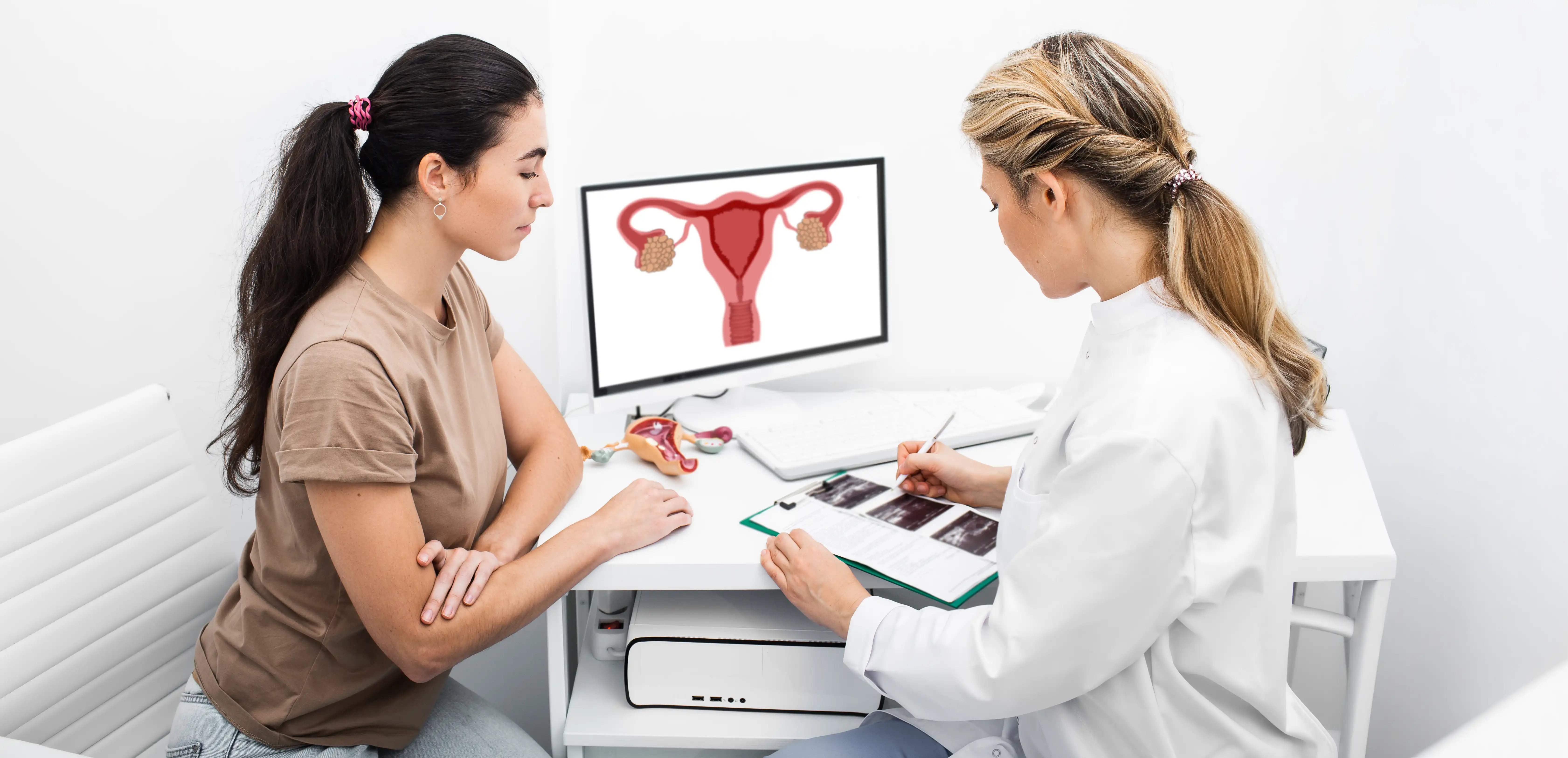
تعد الألياف الرحمية (أورام حميدة في الجدار العضلي للرحم) شائعة جداً بين النساء حول العالم، حيث تشهد معدلات الإصابة والانتشار ارتفاعاً مستمراً على مدى العقود الثلاثة الماضية، لا سيما في جنوب آسيا والدول ذات الدخل المنخفض والمتوسط. وتتزايد الأعباء الصحية المترتبة عليها رغم استقرار معدلات الوفيات، مما يجعلها قضية جوهرية في صحة المرأة عالمياً.
في هذا المقال، يستعرض الدكتور جمال الدين أبرز التطورات الأخيرة في علاج الألياف الرحمية، مع التركيز على دورها في تعزيز مفهوم العلاج الشخصي، وأثرها في تحسين النتائج السريرية وجودة الحياة.
تصيب الأورام الليفية الرحمية حوالي ثلث النساء خلال سنوات الإنجاب، وتشير الدراسات إلى أن معظم النساء قد يصبن بالألياف بدرجات متفاوتة قبل سن الخمسين، حتى وإن لم تظهر عليهن أي أعراض.
على الرغم من كونها أوراماً حميدة لا تتحول إلى خبيثة إلا في حالات نادرة جداً، إلا أنها تُعد من أكثر الأمراض النسائية تأثيراً على صحة المرأة وجودة حياتها، وذلك لما تسببه من نزيف رحمي حاد، وآلام مزمنة، وضغط على أعضاء الحوض، بالإضافة إلى مشاكل في الخصوبة والحمل لدى بعض المريضات.
تمتد آثار الألياف الرحمية لتتجاوز الجانب الصحي وتطال حياة المرأة اليومية. فالنزيف المزمن قد يؤدي إلى فقر الدم والإرهاق المستمر، مما يؤثر على الأداء الوظيفي والأنشطة الاجتماعية، بينما يمكن للألم المزمن أن يعطل الاستقرار الأسري والنفسي. وبالنسبة للنساء اللواتي يخططن للحمل، قد يكون تشخيص الإصابة بالألياف مصدراً للقلق والخوف من تأثيرها على الخصوبة أو الحاجة إلى تدخل جراحي قد يهدد الحفاظ على الرحم.
لسنوات طويلة، ارتبط علاج الألياف الرحمية باستئصال الرحم، خاصة لدى النساء اللواتي أتممن سنوات الإنجاب، وكان هذا الإجراء يُعتبر الحل النهائي. ومع ذلك، أدت التطورات العلمية والتكنولوجية على مدى العقدين الماضيين إلى تغيير جذري في هذا المفهوم؛ إذ أصبح الحفاظ على الرحم هدفاً أساسياً في كثير من الحالات، ليس فقط للحفاظ على القدرة الإنجابية، بل أيضاً للأهمية الوظيفية والنفسية للرحم بالنسبة للمرأة.
ساهمت الأبحاث الحديثة في فهم أفضل للآليات البيولوجية لنمو الألياف، مما مكن من تطوير علاجات دوائية أكثر فعالية، إلى جانب ظهور تقنيات علاجية أقل توغلاً، مثل قسطرة الشريان الرحمي، والعلاج بالموجات فوق الصوتية المركزة، والجراحات بالمنظار والروبوت، بالإضافة إلى تقنيات الاستئصال الحراري، والتي تمثل خيارات واعدة لمريضات يتم اختيارهن بعناية.
في ضوء هذا التطور، لم يعد قرار العلاج يعتمد فقط على حجم الورم أو عدده، بل يستند إلى تقييم شامل يأخذ في الاعتبار عمر المريضة، وشدة الأعراض، ورغبتها في الإنجاب، وموقع الألياف، والحالة الصحية العامة، وذلك تماشياً مع مفهوم الطب الشخصي الذي يضع احتياجات المرأة وتوقعاتها في قلب الخطة العلاجية.
اقرأ المقال كاملاً...

