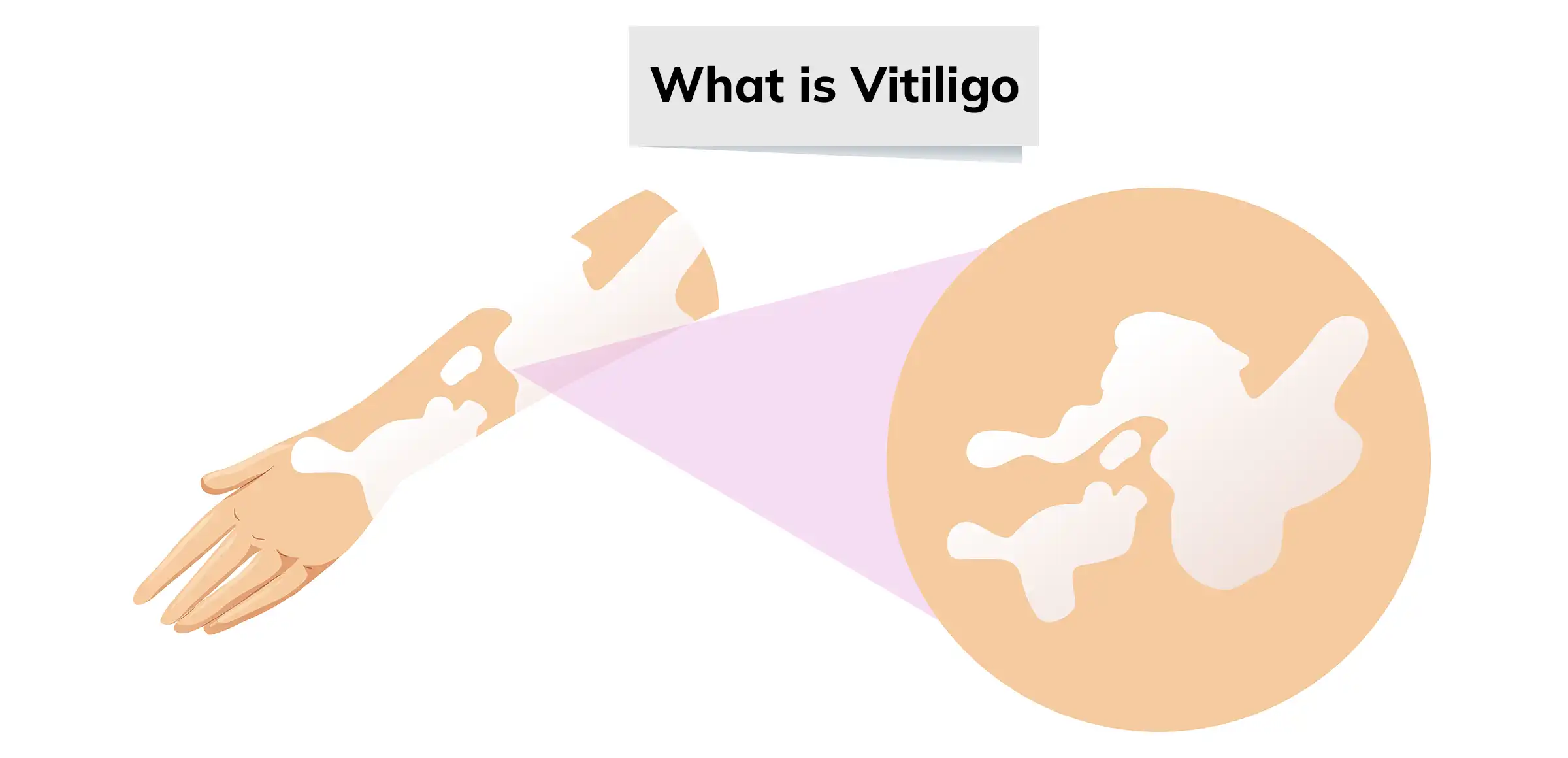
البهاق: حالة المناعة الذاتية الصامتة التي تتغير أكثر من مجرد لون البشرة
البهاق هو أكثر من مجرد حالة جلدية - إنه مرض مناعي ذاتي يغير الحياة ويؤثر على كل من المظهر الجسدي والرفاهية العاطفية. على الرغم من أن البهاق ليس معديًا أو مهددًا للحياة، إلا أنه يمكن أن يؤثر بشدة على احترام الذات، خاصة في المجتمعات التي تعطي قيمة عالية للمظهر.
في هذا اليوم العالمي للبهاق، يلقي مستشفى فقيه الجامعي في دبي الضوء على الأعراض والأسباب وخيارات العلاج والتأثير العاطفي للبهاق، ويؤكد على أهمية التشخيص المبكر والرعاية الرحيمة.
ما هو البهاق؟
البهاق هو اضطراب جلدي مزمن في المناعة الذاتية حيث يفقد الجلد صبغته بسبب تلف أو تدمير الخلايا الميلانينية - الخلايا التي تنتج الميلانين. تظهر الحالة على شكل بقع بيضاء أو فاتحة على الوجه واليدين والقدمين وأجزاء أخرى من الجسم.
يمكن أن يؤثر أيضًا على:
شعر (يتحول إلى اللون الأبيض أو الرمادي)
داخل الفم أو الأنف
مناطق حول العينين والشفاه
أسباب البهاق: ما الذي يسبب هذه الحالة؟
البهاق متعدد العوامل، مما يعني أن العديد من العوامل المتداخلة تساهم في تطوره:
استجابة المناعة الذاتية: يهاجم الجسم عن طريق الخطأ الخلايا المنتجة للصباغ الخاصة به.
الإجهاد التأكسدي: عدم توازن الجذور الحرة التي تضر الخلايا الميلانينية.
علم الوراثة: يرتبط أكثر من 40 جينًا - بما في ذلك NLRP1 - بزيادة المخاطر.
محفزات بيئية: إصابات الجلد أو حروق الشمس أو التعرض للمواد الكيميائية أو الالتهابات.
الأعراض الشائعة للبهاق
بقع بيضاء غير منتظمة على الجلد (غالبًا ما تكون متماثلة)
الشيب المبكر للشعر أو الحواجب أو الرموش أو اللحية
فقدان اللون داخل الفم أو الأنف
زيادة الحساسية لأشعة الشمس في المناطق الخالية من الصباغ
هل يسبب البهاق الحكة؟
على الرغم من أنها ليست عرضًا أساسيًا، إلا أن بعض المرضى يبلغون عن:
الحكة أو الوخز قبل ظهور بقع جديدة
تهيج الجلد بسبب الجفاف أو الالتهاب
الاستجابات المناعية المبكرة التي تحاكي التهاب الجلد
التأثير النفسي للبهاق
يمكن أن يكون التعايش مع البهاق تحديًا عاطفيًا. يواجه العديد من المرضى:
تدني احترام الذات
القلق والاكتئاب
الانسحاب الاجتماعي
التمييز أو الوصم، خاصة في الثقافات التي يرتبط فيها المظهر بالقبول الاجتماعي
الدكتورة رنا أبو تراب، طبيب الأمراض الجلدية في مستشفى فقيه الجامعي، يؤكد على دور دعم الصحة النفسية في إدارة البهاق:
«الأمر لا يتعلق فقط بالبشرة - الرفاهية النفسية مهمة بنفس القدر. تلعب الثقة وقبول الذات دورًا كبيرًا في التعافي».
كيف يتم تشخيص البهاق؟
فحص الجلد السريري
اختبار مصباح الخشب (ضوء الأشعة فوق البنفسجية للكشف عن إزالة التصبغ)
خزعة الجلد (إذا لزم الأمر)
اختبارات الدم لأمراض المناعة الذاتية ذات الصلة (الغدة الدرقية والسكري)
هل هناك علاج للبهاق؟
لا يوجد علاج نهائي، ولكن خيارات العلاج المتعددة يمكن أن تساعد في استعادة الصبغة وتثبيت التقدم وتحسين المظهر.
التصبغات الدقيقة - للمناطق المرئية الصغيرة (مثل الشفاه)
علاج إزالة التصبغ — للحالات واسعة الانتشار باستخدام مونوبنزون
العلاج الخارق: مثبطات JAK
يشمل التقدم الكبير في علاج البهاق استخدام مثبطات JAK مثل:
Ruxolitinib (Opzelura) - أول علاج موضعي معتمد من إدارة الغذاء والدواء الأمريكية للبهاق. أظهرت التجارب السريرية نجاحًا بنسبة 50٪ في إعادة التصبغ على الوجه بعد عام واحد من الاستخدام المتواصل.
كيفية العناية بالبهاق يوميًا
ينصح المرضى بما يلي:
استخدم واقي الشمس واسع الطيف SPF 50+
تجنب ساعات ذروة الشمس
ارتدِ ملابس واقية
ترطيب المناطق المصابة
تجنب صدمة الجلد أو الاحتكاك
الدعم والصحة النفسية في مستشفى فقيه الجامعي
يعمل مستشفى فقيه الجامعي وأطباء الأمراض الجلدية وعلماء النفس معًا لتوفير رعاية شاملة لمرضى البهاق. من العلاجات الجلدية المتقدمة إلى دعم الصحة العقلية والاستشارات ومجموعات الدعم، نضمن لمرضانا الشعور بالرؤية والدعم والتمكين.
«لون بشرتك هو جزء واحد فقط من قصتك. نحن هنا لمساعدتك على احتضانها بثقة وصحة.» - الدكتور أبو تراب