

تعاني العديد من النساء من زيادة الوزن أو صعوبة فقدان الوزن دون إدراك أن الحالة الطبية الأساسية قد تكون السبب. في الماضي، غالبًا ما تركت أدوات التوعية والتشخيص المحدودة النساء يعانين من تغيرات الوزن غير المبررة دون إجابات. اليوم، كشفت التطورات في علم الغدد الصماء أن اضطرابات الغدة الدرقية هي من بين الأسباب الخفية الأكثر شيوعًا لتحديات الوزن وخاصة عند النساء.
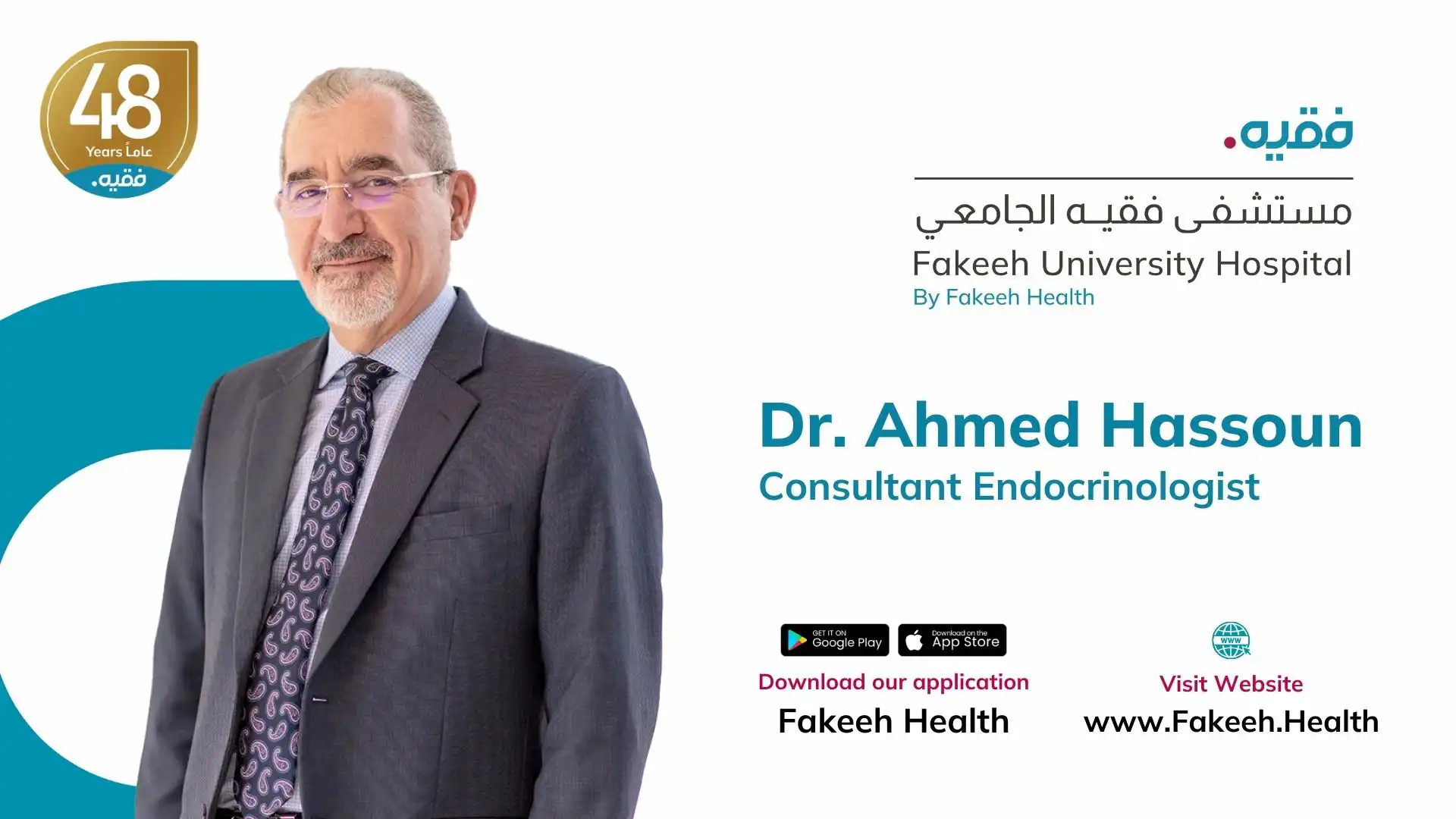
وفقًا للدكتور أحمد حسون، استشاري الغدد الصماء والسكري والأيض في مستشفى فقيه الجامعي، فإن النساء أكثر عرضة بكثير من الرجال للإصابة بأمراض الغدة الدرقية. يرتبط هذا الخطر المتزايد بالتفاعل بين الهرمونات الأنثوية والجهاز المناعي، والعوامل الوراثية المتعلقة بالكروموسوم X، وكذلك التغيرات الهرمونية أثناء الحمل، وفترات ما بعد الولادة، والمراحل المختلفة من حياة المرأة.
يعاني عدد كبير من النساء المصابات باضطرابات الغدة الدرقية من زيادة الوزن غير المبررة أو مقاومة فقدان الوزن، حتى عند اتباع أنظمة غذائية صحية أو ممارسة نشاط بدني منتظم. هذه المشكلة هي واحدة من الأسباب الأكثر شيوعًا التي تجعل النساء يطلبن استشارات الغدد الصماء وغالبًا ما تكون مصحوبة بالإحباط والضيق العاطفي والشعور بأن الجسم لا يستجيب للجهد.
تنقسم اضطرابات الغدة الدرقية عمومًا إلى ثلاث فئات رئيسية:
في منطقة الشرق الأوسط والخليج، تنتشر اضطرابات الغدة الدرقية وخاصة قصور الغدة الدرقية والتهاب الغدة الدرقية هاشيموتو بشكل كبير، مع بقاء العديد من الحالات دون تشخيص.
يوضح الدكتور حسون أن صعوبة فقدان الوزن في كثير من الأحيان ليست فشلًا في نمط الحياة، ولكنها نتيجة مباشرة لاختلال التوازن الهرموني. تنظم الغدة الدرقية الأيض والشهية ومستويات الطاقة. عندما يكون إنتاج هرمون الغدة الدرقية منخفضًا، يتباطأ معدل الأيض، مما يتسبب في تخزين الجسم للدهون بسهولة أكبر حتى مع تناول الطعام المعتدل. قد يكون هذا أيضًا مصحوبًا باحتباس السوائل والتعب وتغيرات المزاج واضطرابات النوم والجلد الجاف والإمساك.
طوال الحياة، تمر النساء بتحولات هرمونية متعددة بما في ذلك الحمل والرضاعة الطبيعية وعدم انتظام الدورة الشهرية وفترة ما قبل انقطاع الطمث. هذه التغييرات تجعل الجسم أكثر حساسية لضعف الغدة الدرقية ويمكن أن تزيد من تعقيد فقدان الوزن. ومع ذلك، يؤكد الدكتور حسون أن إدارة الوزن الناجحة والمستدامة لا تزال قابلة للتحقيق من خلال الإشراف الطبي المناسب.
لا يمكن أن يحدث فقدان الوزن الفعال ما لم يتم التحكم في مستويات هرمون الغدة الدرقية بشكل صحيح. عند الإشارة إلى ذلك، يشكل العلاج بالهرمونات البديلة أساس العلاج. يعد توقيت الدواء الصحيح والالتزام واختبار الدم المنتظم أمرًا ضروريًا لإعداد الجسم للاستجابة.
يمكن أن يؤدي تقييد السعرات الحرارية الشديد إلى إبطاء عملية التمثيل الغذائي وزيادة الإجهاد الهرموني. نظام غذائي متوازن غني بـ:
تناول وجبة الإفطار يدعم عملية التمثيل الغذائي، في حين أن الصيام لفترات طويلة قد يرفع هرمونات التوتر. تساعد الألياف الغذائية الكافية على تقليل الإمساك وتحسين الهضم وتعزيز الشبع.
يمكن أن يؤدي تناول كميات غير كافية من الماء إلى تفاقم احتباس السوائل والانتفاخ - وهو أمر شائع في قصور الغدة الدرقية. شرب كمية كافية من الماء يدعم عملية التمثيل الغذائي وتنظيم الوزن بشكل عام.
تدعم العناصر الغذائية مثل السيلينيوم والزنك والحديد واليود وظيفة الغدة الدرقية. يجب أن تؤخذ المكملات الغذائية فقط بعد الاختبار المناسب وتحت إشراف طبي.
تعتبر الأنشطة المعتدلة مثل المشي والتدريب على مقاومة الضوء والتمارين منخفضة التأثير هي الأكثر فعالية. الاتساق مهم أكثر من الكثافة.
تؤدي قلة النوم والإجهاد المزمن إلى تعطيل هرمونات الجوع والشبع، مما يزيد من تخزين الدهون - خاصة حول البطن. النوم الجيد والحد من التوتر من المكونات الأساسية للعلاج.
يشير الدكتور حسون إلى أنه لا ينبغي قياس النجاح بالمقياس وحده. تعد التحسينات في مستويات الطاقة والمزاج وقياسات الجسم وانتظام الدورة الشهرية والرفاهية العامة كلها مؤشرات إيجابية للتقدم.
لا تعني الإصابة باضطراب الغدة الدرقية قبول زيادة الوزن على أنها حتمية. من خلال الفهم الصحيح والتشخيص الدقيق والمتابعة الطبية المتسقة والنهج المتوازن، يصبح فقدان الوزن أمرًا ممكنًا وآمنًا ومستدامًا. عند التعامل معها علميًا وشمولية، يمكن للمرأة استعادة السيطرة على صحتها وثقتها.
اكتشف المزيد

