
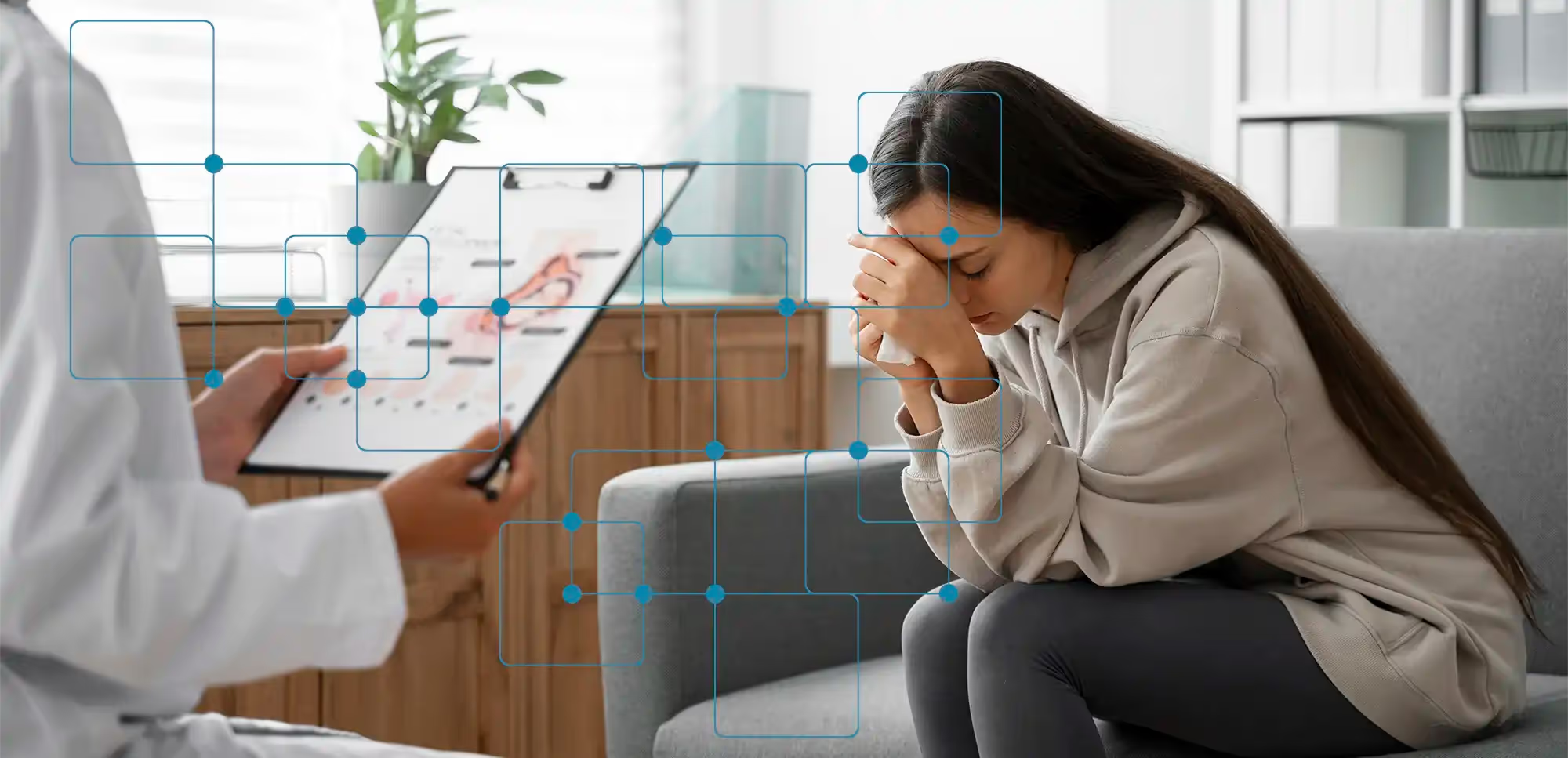
يُعد اكتئاب ما بعد الولادة (PPD) حالة صحية نفسية خطيرة يمكن أن تؤثر على الأمهات بعد الولادة، والتعرف على أعراضه المبكرة أمر بالغ الأهمية لرفاهية الأم والطفل. وفقًا لكبار الأطباء النفسيين وخبراء الصحة العقلية، فإن تجاهل التغيرات النفسية التي تلي الولادة يمكن أن يكون له آثار طويلة المدى، ليس فقط على الأم ولكن أيضًا على نمو طفلها العاطفي والاجتماعي.
اكتئاب ما بعد الولادة هو شكل من أشكال الاكتئاب يحدث بعد الولادة. على عكس «الكآبة النفاسية»، التي تختفي عادةً في غضون أسبوعين، يمكن أن يستمر PPD لعدة أشهر وقد يتطلب تدخلًا متخصصًا.
الدكتور منصور عساف، وهي استشارية نفسية في مستشفى فقيه الجامعي، توضح أن «اكتئاب ما بعد الولادة يعطل التواصل الطبيعي بين الأم وطفلها، مما يؤثر على قدرة الطفل على تكوين ارتباط آمن. هذا الارتباط الآمن ضروري لنمو الطفل العاطفي والاجتماعي والمعرفي.»

على الرغم من ندرته، إلا أن ذهان ما بعد الولادة أكثر خطورة. تؤدي هذه الحالة إلى فقدان الأمهات للاتصال بالواقع، مما يؤدي إلى الهلوسة والأوهام التي تشكل مخاطر كبيرة لكل من الأم والطفل. التدخل الطبي العاجل ضروري إذا ظهرت هذه الأعراض.
قد تعاني الأمهات المصابات باكتئاب ما بعد الولادة من:
يمكن أن يكون لهذه الأعراض تأثير مباشر على الطفل. قد يظهر الرضع علامات مبكرة من مشكلات المرفقات، مثل:
في حين أن هذه العلامات لا تشير دائمًا إلى وجود مشكلة، إلا أنه يجب مراقبتها عن كثب، خاصة إذا كانت الأم تظهر عليها أيضًا أعراض الاكتئاب.
يلعب أفراد الأسرة، وخاصة الآباء، دورًا حيويًا في مراقبة رفاهية الأم والتفاعلات الاجتماعية للطفل. يمكن أن يؤدي تقديم الدعم العاطفي ومشاركة مسؤوليات تقديم الرعاية إلى تحسين حالة الأم بشكل كبير.
يؤكد الدكتور عساف أن اكتئاب ما بعد الولادة هو مرض حقيقي ولا ينبغي أبدًا تجاهله أو إلقاء اللوم عليه على الأم. تشمل خيارات العلاج:
يختلف وقت الاسترداد:
يقترح الدكتور عساف أربع استراتيجيات مبتكرة لدعم الأمهات:
يمكن علاج اكتئاب ما بعد الولادة، ويمكن للتدخل المبكر أن يحدث فرقًا كبيرًا. يُعد طلب المساعدة من مستشار نفسي خطوة استباقية وليست علامة ضعف. تضمن معالجة الأعراض على الفور مستقبلًا أكثر صحة لكل من الأم والطفل.
إذا كنت أنت أو أي شخص تعرفه يعاني من أعراض اكتئاب ما بعد الولادة أو ذهان ما بعد الولادة، فتواصلي مع مستشفى فقيه الجامعي اليوم. لدينا فريق من الأطباء النفسيين الخبراء وعلماء النفس والمستشارين هنا لتقديم الرعاية الشاملة والدعم للأمهات وعائلاتهن.
📞 احجز استشارتك الآن واتخذ الخطوة الأولى نحو الرفاهية العاطفية والروابط العائلية القوية.

