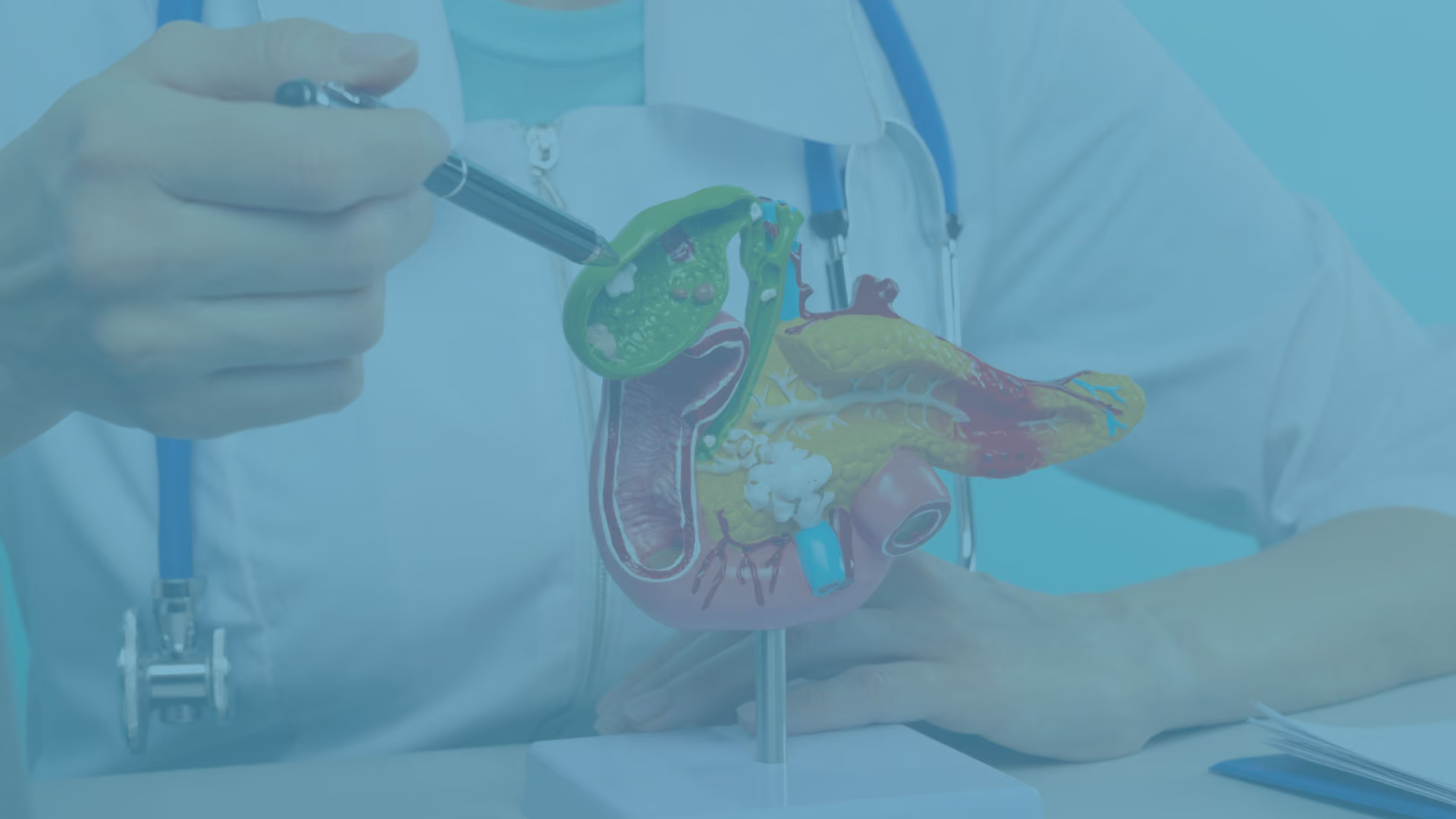
الزائدة الدودية هي كيس ضيق يشبه الإصبع، يقع عند التقاء الأمعاء الدقيقة مع الأمعاء الغليظة (القولون). تُعتبر الزائدة عضواً ضامراً لا يلعب دوراً واضحاً في وظائف الجسم الحديثة، واستئصالها لا يؤثر سلباً على الصحة العامة أو جودة الحياة.
رغم أن استئصال الزائدة ليس ضرورياً للجميع، إلا أن العملية الجراحية تُجرى عادة عند الإصابة بالتهاب الزائدة الدودية، وهي حالة خطيرة تتطلب تدخلاً طبياً عاجلاً.
التهاب الزائدة الدودية هو التهاب يُصيب الزائدة – الكيس الصغير المتصل بالأمعاء الغليظة. وغالبًا ما يتطلب الاستئصال الجراحي الفوري، إذ إن إهمال العلاج قد يؤدي إلى انفجار الزائدة، مما يُسبب مضاعفات خطيرة مثل التهاب الصفاق أو تعفن الدم.

أفضل علاج هو الاستئصال الجراحي للزائدة الملتهبة (استئصال الزائدة الدودية)، ويتوفر هذا العلاج في مستشفى فقيه الجامعي باستخدام أحدث التقنيات الجراحية، سواء بالتنظير أو الجراحة المفتوحة حسب الحالة.
احذر من العلامات التالية:
⚠️ ملاحظة: قد تختلف شدة وموقع الألم حسب عمر المريض وجنسه والاختلافات التشريحية.
رغم أن السبب الدقيق قد لا يكون واضحاً دائماً، تشمل الأسباب الشائعة ما يلي:
رغم أن الزائدة ليست عضواً أساسياً، فإن إهمال التهابها قد يؤدي إلى مضاعفات خطيرة. ينبغي التوجه للطبيب فوراً في حال:
الاكتشاف المبكر والعلاج في الوقت المناسب مهمان لتفادي المضاعفات مثل الانفجار أو تشكل الخراج.
يشمل التشخيص ما يلي:
العلاج الأساسي هو استئصال الزائدة الملتهبة عبر:
عادةً ما تشمل فترة التعافي:
لا توجد طريقة مؤكدة للوقاية، ولكن يمكن تقليل المخاطر من خلال:
يُقدم مستشفى فقيه الجامعي في واحة دبي للسيليكون:
📍 مستشفى فقيه الجامعي – واحة دبي للسيليكون
🌐 www.fuh.care
📞 اتصل الآن: +971 4 414 4444

من النادر جدًا أن يتم حل التهاب الزائدة الدودية من تلقاء نفسه، والاعتماد عليه للقيام بذلك أمر خطير للغاية. في حين أن بعض الحالات الخفيفة قد تتحسن مؤقتًا باستخدام المضادات الحيوية، إلا أن الانسداد الأساسي عادة ما يظل قائمًا، مما يؤدي إلى ارتفاع خطر التكرار أو التقدم إلى التمزق. الإزالة الجراحية هي العلاج النهائي.
نعم، يعتبر التهاب الزائدة الدودية دائمًا حالة طبية طارئة. في حين أنه قد لا يتمزق دائمًا على الفور، إلا أن خطر التمزق يزداد بمرور الوقت. يمكن أن يؤدي تمزق الزائدة الدودية إلى التهاب الصفاق، وهو عدوى تهدد الحياة في بطانة البطن، وتعفن الدم. لذلك، العناية الطبية الفورية أمر بالغ الأهمية.
لا توجد طريقة محددة للوقاية من التهاب الزائدة الدودية، حيث ترتبط أسبابه غالبًا بالانسداد التشريحي الذي لا يمكن تجنبه بسهولة. ومع ذلك، فإن اتباع نظام غذائي غني بالألياف قد يساعد في الحفاظ على حركات الأمعاء الصحية وربما يقلل من خطر تكوين البراز.
يختلف التقدم، ولكن عادةً ما يمكن أن تتمزق الزائدة الملتهبة في غضون 24 إلى 72 ساعة من بداية الأعراض، على الرغم من أنه يمكن أن يحدث عاجلاً أم آجلاً. هذا يؤكد الحاجة إلى التشخيص السريع والعلاج.
في حالة تمزق الزائدة الدودية، قد يقل الألم الحاد الأولي مؤقتًا مع تخفيف الضغط داخل الزائدة الدودية. ومع ذلك، فإن هذا التخفيف المؤقت عادة ما يتبعه ألم بطني أكثر انتشارًا وشدة وعمومًا حيث تنتشر العدوى في جميع أنحاء تجويف البطن (التهاب الصفاق). عادة ما ترتفع الحمى بشكل ملحوظ، وتتدهور حالة المريض بسرعة.

%2525252520(1).avif)
%252525252520(1).avif)




%2520(3).avif)