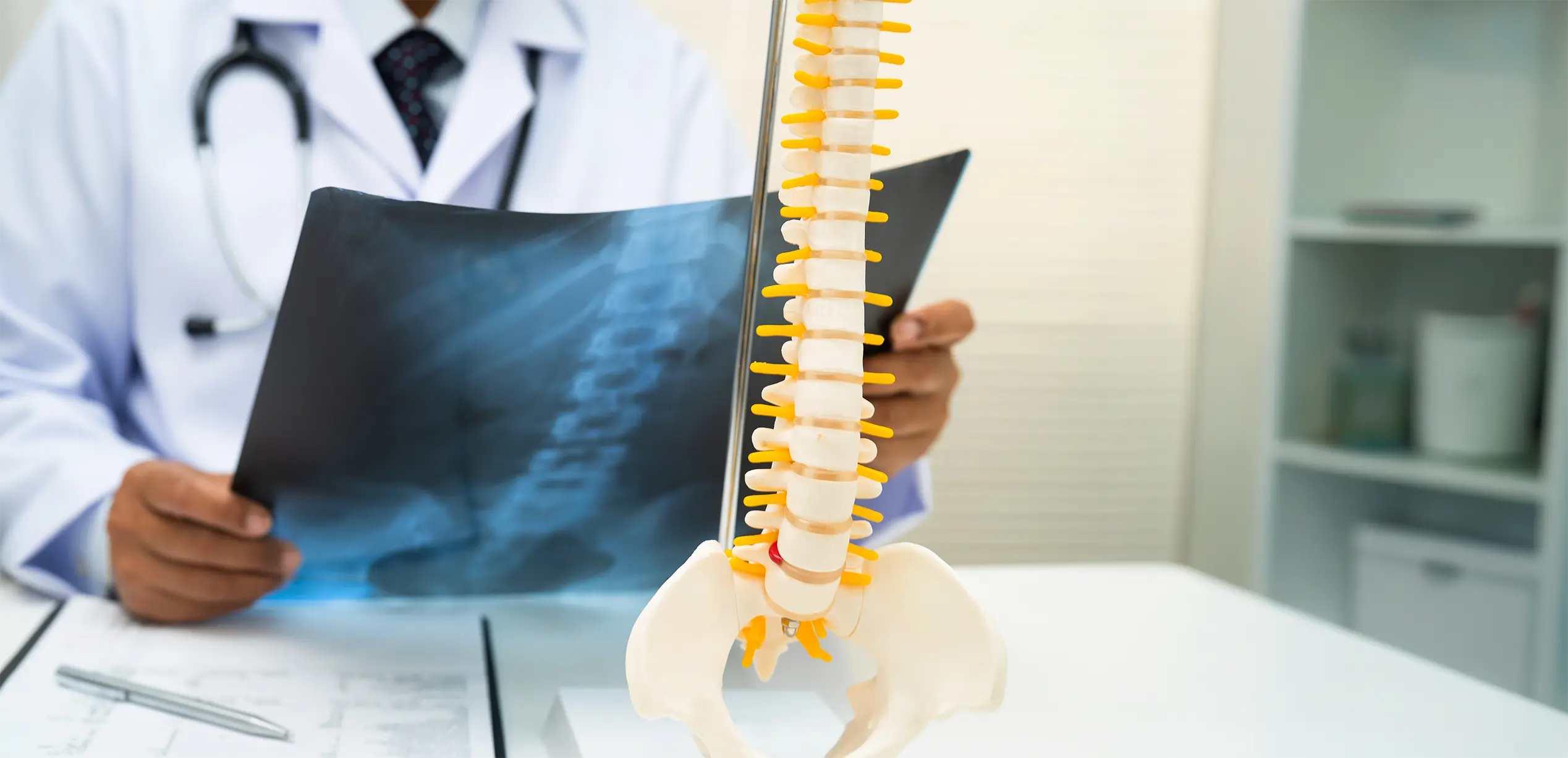
تضيق القناة الشوكية هو حالة تتميز بضيق في القناة الشوكية، وهي المساحة الموجودة داخل العمود الفقري التي تحتوي على الحبل الشوكي وجذور الأعصاب. عندما تضيق هذه المساحة، قد يزداد الضغط على الأعصاب أو الحبل الشوكي، مما يؤدي إلى الشعور بالألم، وظهور أعراض عصبية، وانخفاض في القدرة على الحركة.
يمكن أن يحدث تضيق القناة الشوكية في أجزاء مختلفة من العمود الفقري، وأكثرها شيوعاً هو الفقرات القطنية (أسفل الظهر) والفقرات العنقية (الرقبة).
في مستشفى فقيه الجامعي بدبي، يقدم أخصائيو العمود الفقري لدينا تقييماً شاملاً وعلاجاً مخصصاً لكل مريض يعاني من تضيق القناة الشوكية. ومن خلال استخدام تقنيات التصوير المتقدمة، والتشخيص الدقيق، وأحدث الجراحات طفيفة التوغل عند الضرورة، نركز على تخفيف الضغط عن الأعصاب، واستعادة القدرة على الحركة، وتحسين جودة الحياة.
يعد التشخيص المبكر والإدارة السليمة للحالة أمراً ضرورياً لمنع تفاقم الاعتلال العصبي وتجنب الإعاقة على المدى الطويل.
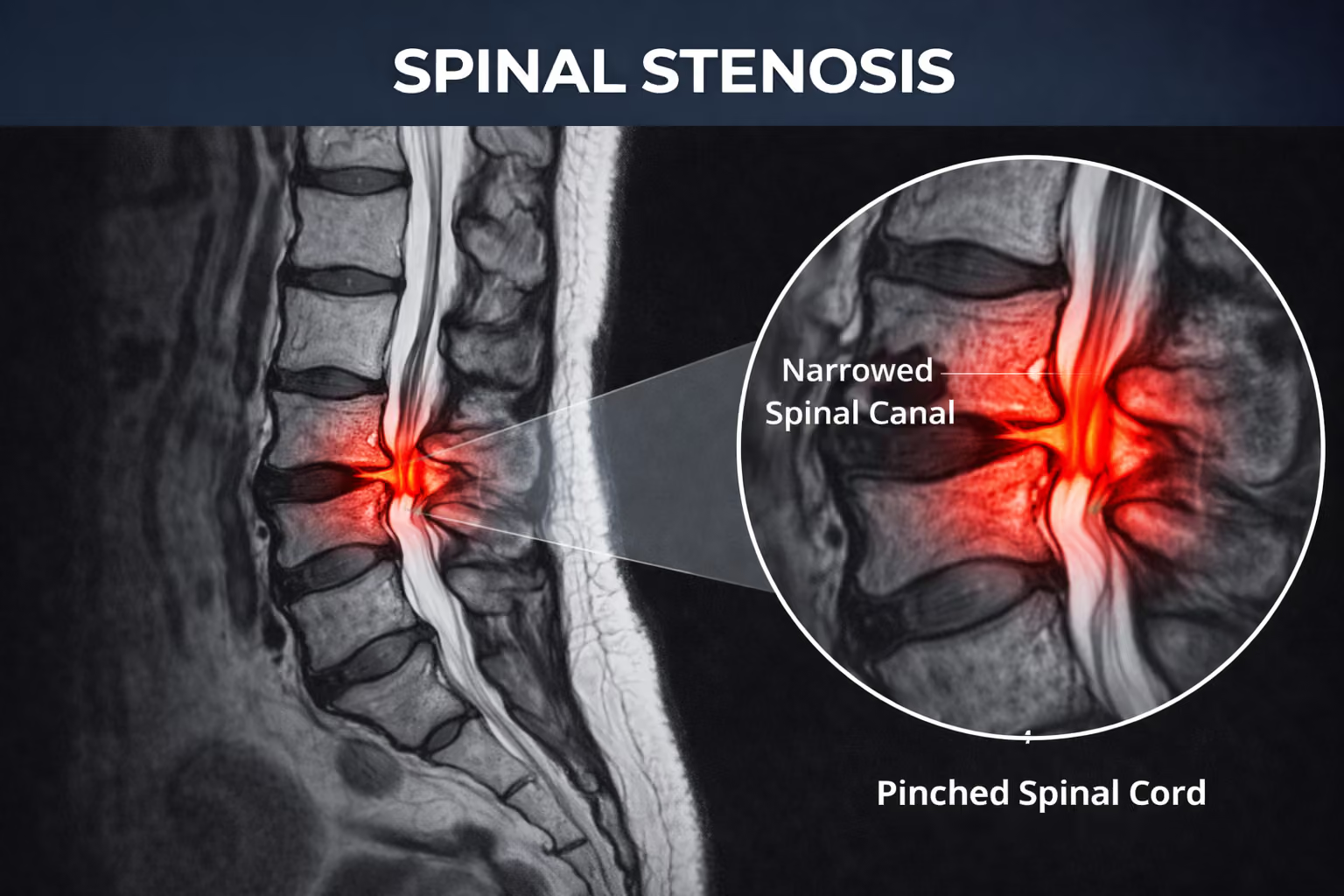
القناة الشوكية هي ممر وقائي تتكون من الفقرات، ويمر من خلالها الحبل الشوكي والأعصاب.
يحدث تضيق القناة الشوكية عندما تؤدي الهياكل المحيطة بالقناة الشوكية إلى تضييق المساحة المتاحة تدريجياً، مما يضع ضغطاً على الهياكل العصبية.
قد يؤثر هذا التضيق على:
عادة ما يتطور تضيق القناة الشوكية تدريجياً بمرور الوقت، ولكنه قد يؤدي في النهاية إلى أعراض كبيرة تؤثر على الأنشطة اليومية.
تختلف الأعراض اعتماداً على موقع التضيق وشدته.
يؤثر تضيق الفقرات القطنية بشكل أساسي على الأعصاب المغذية للساقين.
تشمل الأعراض الشائعة ما يلي:
يصاب بعض المرضى بالعرج العصبي، وهي حالة يصبح فيها المشي صعباً بشكل متزايد بسبب انضغاط الأعصاب.
يمكن أن يؤثر التضيق العنقي على الحبل الشوكي وقد يؤدي إلى أعراض عصبية أكثر تعقيداً.
تشمل الأعراض الشائعة ما يلي:
في الحالات الأكثر شدة، قد يعاني المرضى من اعتلال النخاع الشوكي، وهي حالة ناتجة عن انضغاط الحبل الشوكي.
السبب الأكثر شيوعاً لتضيق القناة الشوكية هو التغيرات التنكسية في العمود الفقري المرتبطة بالتقدم في العمر.
مع مرور الوقت، تفقد أقراص العمود الفقري ارتفاعها ومرونتها، وقد تتضخم المفاصل وتزداد سماكة الأربطة، مما يؤدي تدريجياً إلى تضيق القناة الشوكية.
تشمل الأسباب الأخرى ما يلي:
قد تبرز الأقراص المنتفخة أو المتمزقة داخل القناة الشوكية وتضغط على الأعصاب المجاورة.
قد يؤدي التهاب المفاصل التنكسي في العمود الفقري إلى نمو زائد في العظام، مما يسبب تضيق القناة الشوكية.
قد تصبح الأربطة التي تعمل على تثبيت العمود الفقري أكثر سماكة بمرور الوقت، مما يقلل من المساحة المتاحة داخل القناة الشوكية.
يولد بعض الأشخاص بقناة شوكية أضيق من المعتاد، مما يجعلهم أكثر عرضة لظهور الأعراض في مراحل لاحقة من حياتهم.
في حالات أقل شيوعاً، قد تتسبب الأورام أو الكسور أو غيرها من إصابات العمود الفقري في تضيق القناة الشوكية.
هناك عدة عوامل قد تزيد من احتمالية الإصابة بتضيق القناة الشوكية:
الحفاظ على صحة العمود الفقري والتعامل مع الأعراض المبكرة يمكن أن يساعد في منع تفاقم الحالة.
في مستشفى فقيه الجامعي بدبي، يبدأ التشخيص بإجراء تقييم سريري مفصل.
يقوم الطبيب بتقييم الأعراض، والوظائف العصبية، وقوة العضلات، وردود الفعل، ومدى حركة العمود الفقري.
تساعد اختبارات محددة في تحديد ما إذا كانت جذور الأعصاب أو الحبل الشوكي تتعرض للضغط.
يلعب التصوير دوراً رئيسياً في تأكيد التشخيص وتحديد مدى شدة التضيق.
قد تشمل هذه الدراسات:
يسمح التصوير الدقيق بوضع خطة علاجية محكمة.
يعتمد العلاج على شدة الأعراض ودرجة ضغط الأعصاب.
يستفيد العديد من المرضى من العلاج التحفظي.
يساعد العلاج الطبيعي الموجه في تقوية عضلات الظهر، وتحسين المرونة، وتعزيز استقرار العمود الفقري.
قد تساعد مسكنات الألم والأدوية المضادة للالتهابات في تقليل التورم وتخفيف الانزعاج.
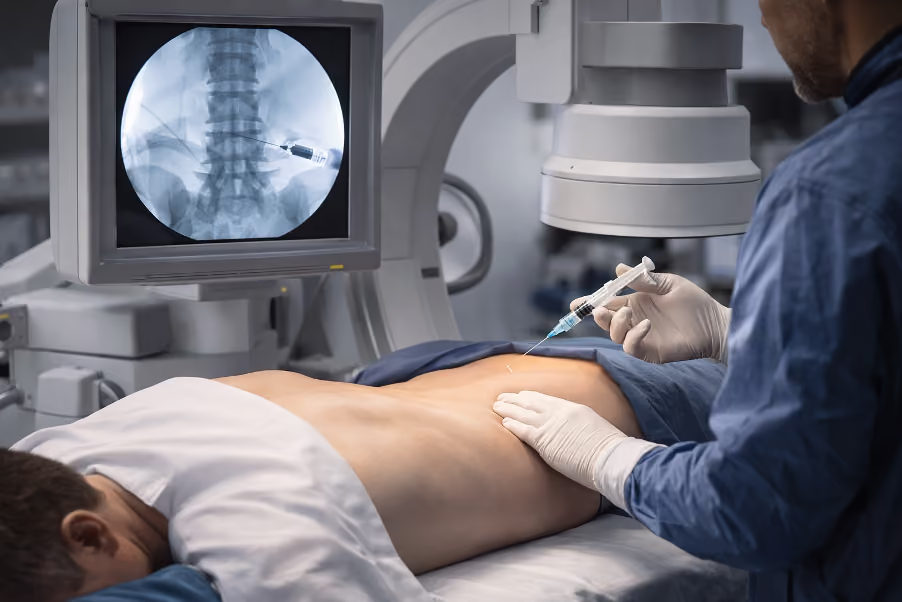
يمكن لحقن الستيرويد الموجهة بالتصوير أن تقلل الالتهاب حول الأعصاب المتضررة وتوفر راحة من الأعراض.
قد يوصى بالجراحة في الحالات التالية:

تشمل الخيارات الجراحية ما يلي:
تعمل جراحة إزالة الضغط المجهري على تخفيف الضغط عن الأعصاب من خلال إزالة الأنسجة التي تسبب تضيق القناة الشوكية. وفي بعض الحالات، قد يتم إجراء جراحة توسيع الثقبة لتوسيع الفتحات التي تخرج منها الأعصاب من العمود الفقري.
في حال وجود عدم استقرار في العمود الفقري، قد يوصى بإجراء عملية دمج لتثبيت الفقرة المتضررة باستخدام تقنيات طفيفة التوغل.
.avif)
تتيح جراحة العمود الفقري الحديثة طفيفة التوغل ما يلي:
يعتمد اختيار التقنية الجراحية على التشريح والحالة المرضية الخاصة بكل مريض.
مع العلاج المناسب، يشهد العديد من مرضى تضيق القناة الشوكية تحسناً ملحوظاً في الأعراض والقدرة على الحركة.
التشخيص المبكر والإدارة العلاجية المخصصة لكل حالة أمران ضروريان لمنع تفاقم الاعتلال العصبي.
يجب إجراء تقييم طبي فوري إذا كانت الأعراض تشمل:
قد تشير هذه الأعراض إلى وجود ضغط كبير على الأعصاب أو الحبل الشوكي، مما يتطلب تدخلاً علاجياً عاجلاً.
إذا كنت تعاني من ألم مستمر في الرقبة أو الظهر أو الساقين، أو تجد صعوبة في المشي، فإن التقييم المبكر يساعد في تشخيص تضيق القناة الشوكية وتحديد العلاج الفعال.
احجز موعدك في مستشفى فقيه الجامعي بدبي للحصول على تشخيص دقيق ورعاية مخصصة من قبل استشاريي العمود الفقري لدينا.


.avif)


.avif)