نصف الفقرة هو تشوه خلقي في العمود الفقري، حيث يفشل أحد جانبي الفقرة في النمو بشكل كامل أثناء التطور الجنيني. ونتيجة لذلك، تتخذ الفقرة المصابة شكلاً إسفينياً بدلاً من شكلها المستطيل الطبيعي، مما قد يؤدي إلى انحناء غير طبيعي في العمود الفقري.
يمكن أن يحدث نصف الفقرة في أي مكان على طول العمود الفقري، بما في ذلك المناطق العنقية أو الصدرية أو القطنية، وغالباً ما يرتبط بتشوهات العمود الفقري مثل الجنف أو الحداب.
في مستشفى فقيه الجامعي بدبي، يقدم استشاريو العمود الفقري لدينا تقييماً شاملاً وخطط علاج مخصصة للمرضى الذين يعانون من تشوهات العمود الفقري الخلقية مثل نصف الفقرة. ومن خلال استخدام تقنيات التصوير المتقدمة والأساليب الجراحية الحديثة عند الحاجة، نهدف إلى تصحيح استقامة العمود الفقري، وضمان سلامة الأعصاب، ودعم النمو الصحي للعمود الفقري.
التشخيص المبكر والإدارة السليمة للحالة ضروريان لمنع تفاقم تشوه العمود الفقري وتجنب المضاعفات طويلة الأمد.
يتطور العمود الفقري بشكل طبيعي من أجزاء فقارية متماثلة خلال مراحل النمو الجنيني المبكرة. في حالة نصف الفقرة، يتكون نصف واحد فقط من الفقرة بشكل سليم، بينما يظل النصف الآخر غير مكتمل النمو أو غائباً.
هذا الخلل الهيكلي قد يتسبب في انحناء العمود الفقري مع نمو الطفل. واعتماداً على موقع التشوه وشدته، قد تزداد الحالة سوءاً بمرور الوقت.
تظل بعض الحالات خفيفة، بينما قد تؤدي حالات أخرى إلى انحناء كبير في العمود الفقري.
يتطور نصف الفقرة أثناء تكوين العمود الفقري في المرحلة الجنينية، عندما تفشل الفقرة في النمو بشكل كامل.
على الرغم من أن السبب الدقيق ليس معروفاً دائماً، إلا أن هناك عدة عوامل قد تساهم في ذلك:
في كثير من الحالات، يحدث نصف الفقرة كحالة منفصلة في العمود الفقري، ولكن قد يرتبط أحياناً بتشوهات خلقية أخرى.
قد تظهر أشكال مختلفة من نصف الفقرة اعتماداً على كيفية نمو الفقرة.
هذا هو الشكل الأكثر شيوعاً، حيث تتطور الفقرة غير المكتملة على جانب واحد، مما يؤدي إلى انحناء جانبي في العمود الفقري، وهو ما ينتج عنه عادةً الإصابة بالجنف.
في هذا النوع، يؤثر العيب على الجزء الخلفي من الفقرة، مما قد يساهم في حدوث انحناء مفرط للأمام في العمود الفقري يُعرف باسم الحداب.
في حالة نصف الفقرة الكامل، يغيب نصف الفقرة تماماً، وهو ما قد يؤدي إلى تشوه أكثر وضوحاً في العمود الفقري.
في بعض الحالات، قد لا يسبب نصف الفقرة أي أعراض في البداية، خاصة في حالات التشوه البسيطة. ومع ذلك، قد تظهر الأعراض مع نمو العمود الفقري.
تشمل الأعراض الشائعة ما يلي:
في الحالات الأكثر شدة، قد يؤدي تشوه العمود الفقري إلى ضغط على الحبل الشوكي أو الأعصاب، مما قد يسبب:
تتطلب هذه الأعراض تقييماً طبياً عاجلاً.
في مستشفى فقيه الجامعي بدبي، يبدأ التشخيص بتقييم سريري مفصل.
يقوم الطبيب بتقييم استقامة العمود الفقري، ووضعية الجسم، وأي انحناء مرئي.
يعد تقييم الوظيفة العصبية أمراً مهماً أيضاً لتحديد ما إذا كان الحبل الشوكي أو الأعصاب متأثرين.
تعد اختبارات التصوير ضرورية لتأكيد التشخيص وتقييم مدى التشوه.
قد تشمل هذه الاختبارات:
تساعد هذه الدراسات في توجيه التخطيط المناسب للعلاج.
يعتمد العلاج على عدة عوامل، بما في ذلك شدة تشوه العمود الفقري، وعمر المريض، وتطور الانحناء.
في الحالات الخفيفة، خاصة عند الأطفال الصغار، قد يُنصح بالمراقبة الدقيقة من خلال التصوير الدوري لمتابعة نمو العمود الفقري والكشف عن أي تطور في التشوه.
بالنسبة لانحناء العمود الفقري المتوسط، قد تساعد الدعامة في تثبيت العمود الفقري والحد من تطور الانحناء أثناء نمو الطفل.
قد يوصى بإجراء جراحة في الحالات التالية:
قد يتضمن العلاج الجراحي استئصال الفقرة النصفية وتثبيت العمود الفقري باستخدام قضبان ومسامير.
تهدف الجراحة إلى تصحيح استقامة العمود الفقري، ومنع تدهور الانحناء، والحفاظ على سلامة الأعصاب.
تتيح التقنيات الجراحية الحديثة إجراء تصحيح دقيق مع الحفاظ على ثبات العمود الفقري.
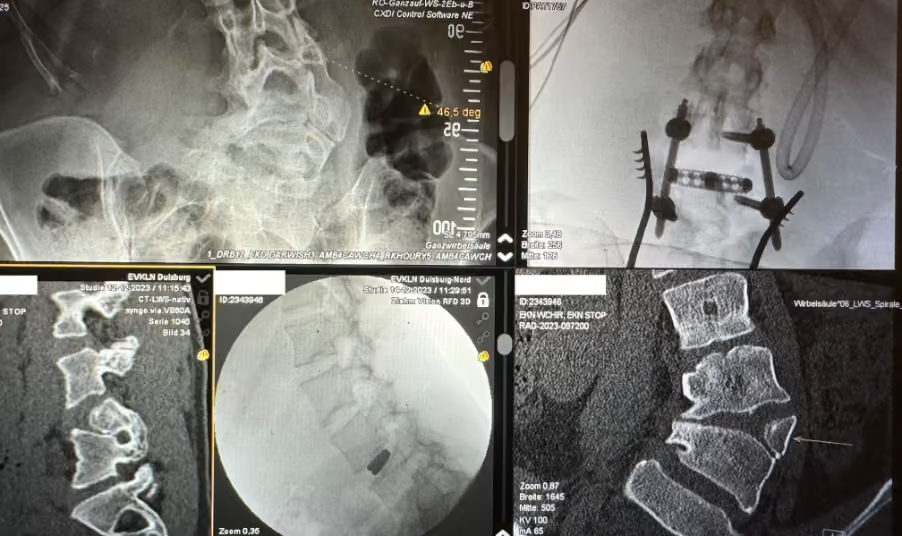
حضرت شابة تبلغ من العمر 20 عاماً من ألمانيا تعاني من آلام شديدة في الظهر والساق ناتجة عن فقرة قطنية نصفية (L4) لم يتم علاجها، مما أدى إلى انحراف جانبي أيسر في العمود الفقري القطني وضغط على جذور الأعصاب اليمنى. باستخدام نهج طفيف التوغل، قمنا بتخفيف الضغط عن الأعصاب المتضررة، واستئصال الفقرة النصفية، وتثبيت العمود الفقري. تم تصحيح التشوه بدمج فقرة واحدة فقط، اتباعاً لمبدأ "القدر الضروري فقط، وبأقل تدخل ممكن". وقد سمح ذلك بالحفاظ على مرونة العمود الفقري لدى المريضة الشابة. تلاشت آلام الظهر والساق تماماً، وتم تصحيح انحناء العمود الفقري بشكل كبير.
مع الكشف المبكر والعلاج المناسب، يحقق العديد من مرضى الفقرة النصفية نتائج جيدة ويحافظون على وظائف طبيعية للعمود الفقري.
تعد المتابعة الدورية أثناء فترة النمو أمراً مهماً لاكتشاف أي تغيرات مبكراً وتحديد التدخل المناسب.
يوصى بالتقييم الطبي إذا لاحظت:
يساعد التقييم المتخصص المبكر في ضمان أفضل نتائج علاجية ممكنة.
إذا كنت تشك في وجود تشوه في العمود الفقري مثل الفقرة النصفية أو تلاحظ انحناءً غير طبيعي في العمود الفقري، فمن المهم إجراء تقييم مبكر.
احجز موعدك في مستشفى فقيه الجامعي بدبي للحصول على تشخيص دقيق ورعاية متخصصة للعمود الفقري.

Hemivertebrae is a congenital spinal condition in which one or more vertebrae develop incompletely — forming a wedge-shaped half vertebra instead of a normal, symmetrical one. This abnormal vertebral shape disrupts the natural alignment of the spine, often leading to scoliosis (sideways curvature) or kyphosis (forward curvature).
The exact cause of hemivertebrae is not always known, but contributing factors may include:
Hemivertebrae may occur as a single isolated defect or alongside other congenital abnormalities affecting the heart, kidneys, or limbs.
Hemivertebrae in newborns may be suspected at birth if visible spinal curvature, asymmetry of the back, or other associated anomalies are noted during the neonatal physical examination.
Diagnostic steps typically include:
Early and accurate diagnosis in newborns is critical for monitoring spinal progression and planning appropriate treatment before significant curvature develops.
تظهر الفقرة النصفية في التصوير الإشعاعي بمظاهر مميزة تساعد المتخصصين على الوصول إلى تشخيص دقيق:
في الأشعة السينية:
في الأشعة المقطعية (CT):
في التصوير بالرنين المغناطيسي (MRI):
يعد التقييم الإشعاعي من قبل أخصائي أشعة العظام أمراً ضرورياً للتصنيف الدقيق ووضع خطة العلاج.
Yes — hemivertebrae can sometimes be detected on fetal ultrasound during pregnancy, though detection depends on the position of the baby, the quality of imaging, and the severity of the defect.
Key points about hemivertebrae fetal ultrasound:
If hemivertebrae is suspected on fetal ultrasound, referral to a specialist in fetal medicine and a paediatric spine surgeon is recommended for early planning and counselling.


.avif)


.avif)