تحدث كسور العمود الفقري عندما تنكسر أو تنهار فقرة واحدة أو أكثر من فقرات العمود الفقري. قد تنتج هذه الإصابات عن الصدمات، أو هشاشة العظام، أو الأورام التي تؤثر على العمود الفقري. واعتماداً على شدة الكسر وموقعه، قد يعاني المرضى من ألم شديد، وانخفاض في القدرة على الحركة، وفي بعض الحالات، أعراض عصبية.
في مستشفى فقيه الجامعي بدبي، يقدم أخصائيو العمود الفقري لدينا تقييماً شاملاً وعلاجاً مخصصاً للمرضى الذين يعانون من كسور العمود الفقري. ومن خلال استخدام تقنيات التصوير المتقدمة والأساليب الجراحية الحديثة طفيفة التوغل عند الضرورة، فإن هدفنا هو تثبيت العمود الفقري، وتخفيف الألم، واستعادة القدرة على الحركة.
يعد التشخيص المبكر والإدارة المناسبة أمراً ضرورياً لمنع تشوه العمود الفقري، والألم المزمن، والمضاعفات العصبية.
يتكون العمود الفقري من سلسلة من الفقرات التي تحمي الحبل الشوكي وتدعم حركة الجسم ووضعيته.
يحدث كسر العمود الفقري عندما تؤدي قوة مفرطة أو ضعف في العظام إلى تشقق الفقرة أو انهيارها أو خروجها عن وضعها الطبيعي. وتتفاوت شدة الكسور بشكل كبير، بدءاً من كسور الانضغاط الصغيرة وصولاً إلى الإصابات الأكثر تعقيداً التي تؤثر على استقرار العمود الفقري.
تحدث كسور العمود الفقري غالباً في الفقرات الصدرية والقطنية، ولكنها قد تؤثر أيضاً على مناطق أخرى اعتماداً على آلية الإصابة.
يمكن أن تحدث كسور العمود الفقري لعدة أسباب.
تعد الصدمات عالية الطاقة سبباً شائعاً لكسور العمود الفقري، وقد تحدث نتيجة:
غالباً ما تتطلب الكسور الناتجة عن الصدمات تقييماً طبياً عاجلاً.
تؤدي هشاشة العظام إلى إضعاف بنية العظام، مما يجعل الفقرات أكثر عرضة للكسور، حتى بعد التعرض لصدمات بسيطة أو ممارسة الأنشطة اليومية. وغالباً ما تُسمى هذه الكسور بكسور الانضغاط الفقارية.
يمكن للأورام التي تصيب العمود الفقري أن تضعف جسم الفقرة وتزيد من خطر الإصابة بالكسور المرضية.
تختلف الأعراض باختلاف موقع الكسر وشدته.
تشمل الأعراض الشائعة ما يلي:
إذا أثر الكسر على الأعصاب المجاورة أو الحبل الشوكي، فقد تظهر أعراض عصبية، منها:
في مستشفى فقيه الجامعي بدبي، يتضمن تشخيص كسر العمود الفقري تقييماً سريرياً مفصلاً ودراسات تصويرية متقدمة.
يقوم الطبيب بتقييم موقع الألم، واستقامة العمود الفقري، ومدى الحركة، والوظائف العصبية.
يساعد هذا في تحديد ما إذا كان الكسر يؤثر على استقرار العمود الفقري أو الهياكل العصبية.
تعد فحوصات التصوير ضرورية لتأكيد التشخيص وتقييم مدى الإصابة.
قد تشمل هذه الفحوصات:
يسمح التصوير الدقيق بوضع خطة علاجية مناسبة.
يعتمد العلاج على عدة عوامل، بما في ذلك نوع الكسر، وشدة الأعراض، واستقرار العمود الفقري، والحالة الصحية العامة للمريض.
يمكن علاج العديد من الكسور بنجاح دون الحاجة إلى جراحة.
بالنسبة للكسور المستقرة، غالباً ما يكون العلاج التحفظي فعالاً.
قد تساعد مسكنات الألم، بما في ذلك الأدوية المضادة للالتهابات، في السيطرة على الأعراض أثناء عملية الشفاء.
قد تُستخدم دعامة ظهر داعمة لتثبيت العمود الفقري وتقييد الحركة أثناء التئام الكسر.
تساعد الدعامة أيضاً في تقليل الألم والحفاظ على المحاذاة الصحيحة للعمود الفقري.
قد يكون التدخل الجراحي ضرورياً في الحالات التالية:
تشمل الخيارات الجراحية الشائعة ما يلي:
رأب الحدبة هو إجراء طفيف التوغل يتم فيه حقن إسمنت عظمي في الفقرة المكسورة لاستعادة ارتفاعها وتثبيت العظم.
يمكن لهذه التقنية أن تقلل الألم بشكل كبير وتحسن القدرة على الحركة.
في حالات الكسور الأكثر تعقيداً، قد يتطلب الأمر تثبيت العمود الفقري باستخدام براغي وقضبان معدنية.
تساعد هذه الإجراءات في استعادة استقامة العمود الفقري وتوفير استقرار طويل الأمد.
كلما أمكن ذلك، يتم إجراء هذه العمليات باستخدام تقنيات طفيفة التوغل، مما يسمح بعمل شقوق أصغر، وتقليل تضرر الأنسجة، وتسريع فترة التعافي.
الحالة 1:
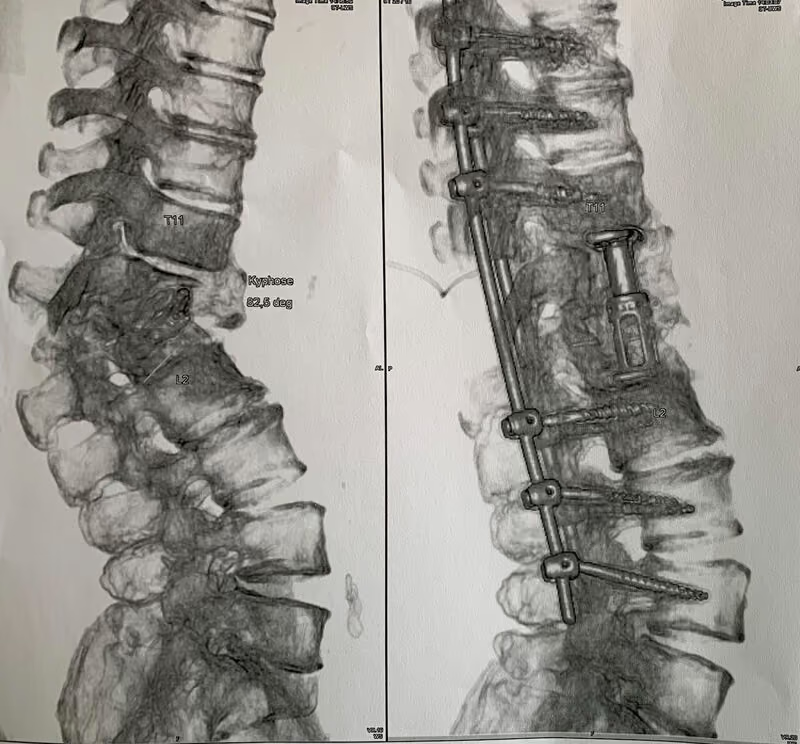
مريض من ألمانيا، عانى من كسور في الفقرة الصدرية الثانية عشرة (T12) والفقرة القطنية الأولى (L1)، وخضع لعملية رأب الفقرات في مستشفى آخر، مما أدى إلى إصابته بحداب بزاوية 90 درجة مع تضيق في القناة الشوكية وفقدان القدرة على الوقوف والجلوس. قمنا بمعالجة الحالة عبر تدخل طفيف التوغل من خلال استبدال جسم الفقرتين T12 و L1 مجهرياً عبر الصدر، مع تثبيت جلدي طفيف التوغل. تمكن المريض من المشي مجدداً دون أي مساعدات، واستعاد قدرته على الجلوس والوقوف بشكل مستقيم مرة أخرى.
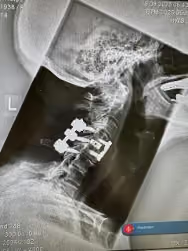
مريضة تبلغ من العمر 89 عاماً تعرضت لحادث سيارة في لندن، وأصيبت بكسر غير مستقر ومزاح في الرقبة (الفقرتين C4/5). أجرينا لها عملية تثبيت وتمكنت من المشي في اليوم الأول بعد الجراحة.
الحالة 3:
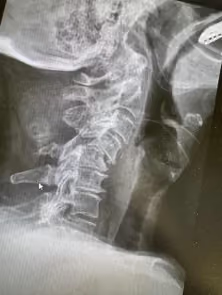
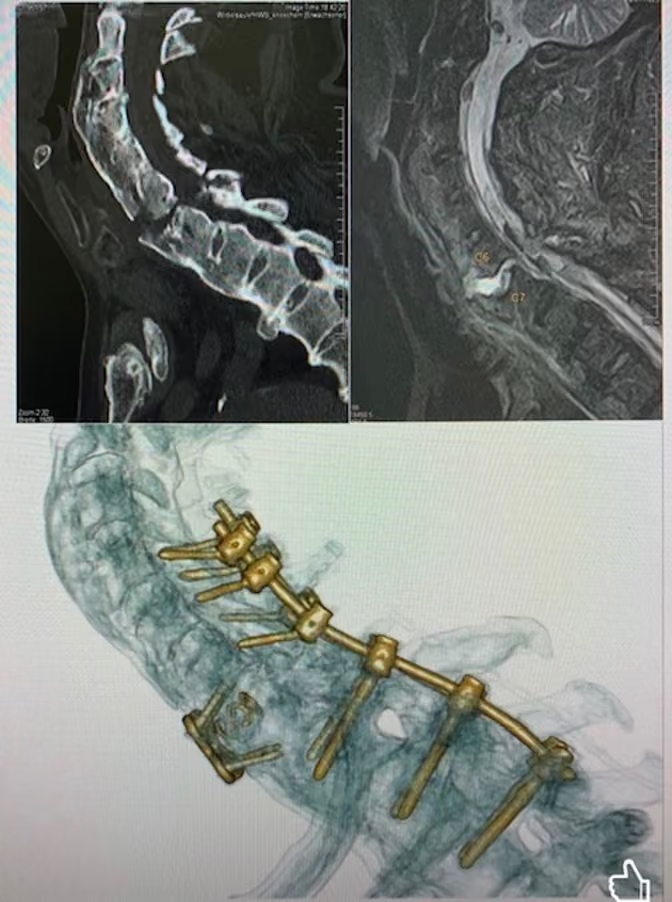
مريض من ألمانيا. يعاني من كسر في الفقرات العنقية ناتج عن التهاب الفقار المقسط، حيث تعرض للسقوط في المنزل مما أدى إلى حدوث كسر غير مستقر.
قمنا بالتعامل مع الكسر بشكل فوري ونجحنا في تثبيته.
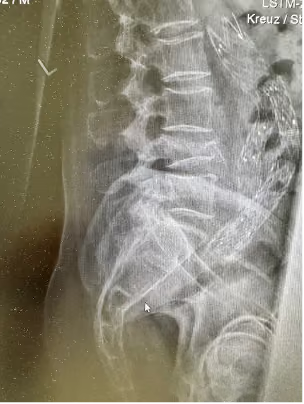
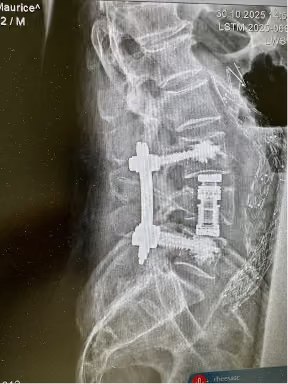
مريض سقط من على سلم وأصيب بكسر في الفقرة القطنية الرابعة (L4). تم التعامل مع الحالة باستخدام تقنية طفيفة التوغل تضمنت استبدال الفقرة وتثبيتها. تمكن المريض من المشي دون أي مساعدة في اليوم الأول بعد الجراحة.
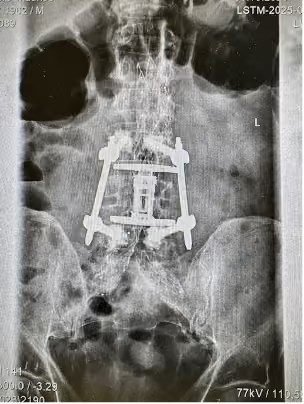
مع العلاج المناسب، يتعافى العديد من المرضى بشكل جيد من كسور العمود الفقري ويمكنهم العودة تدريجياً إلى ممارسة أنشطتهم الطبيعية.
يعد التشخيص المبكر والعلاج المخصص لكل حالة أمراً ضرورياً لضمان الشفاء الأمثل وتجنب المضاعفات طويلة الأمد.
متى يجب عليك طلب الرعاية الطبية؟
يوصى بالتقييم الطبي الفوري إذا ظهرت الأعراض التالية:
قد تشير هذه الأعراض إلى إصابة خطيرة في العمود الفقري أو ضغط على الأعصاب، مما يتطلب تدخلاً علاجياً عاجلاً.
إذا كنت تعاني من ألم شديد في الظهر بعد التعرض لإصابة أو تم تشخيص إصابتك بكسر في العمود الفقري، فمن المهم إجراء تقييم متخصص مبكر لتحديد استراتيجية العلاج الأنسب.
احجز موعدك في مستشفى فقيه الجامعي بدبي للحصول على تشخيص دقيق ورعاية متخصصة للعمود الفقري.


.avif)


.avif)