قبل المتابعة
بالنقر على ”قبول الكل“، فإنك توافق على تخزين ملفات تعريف الارتباط على جهازك لتحسين تصفح الموقع وتحليل استخدام الموقع والمساعدة في جهودنا التسويقية.
Disc Prolapse: Symptoms, Causes, Diagnosis, and Treatment

Disc Prolapse (Lumbar and Cervical): Symptoms, Causes, Diagnosis, and Treatment

Advanced Spine Care at Fakeeh University Hospital Dubai

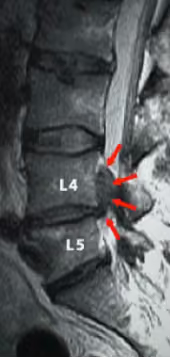
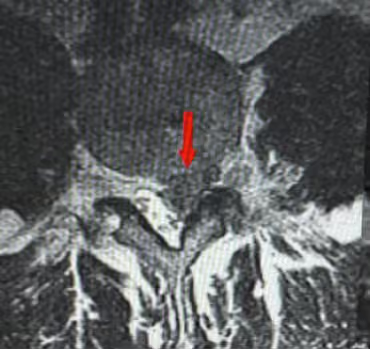
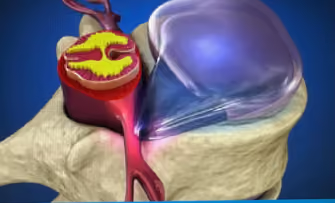
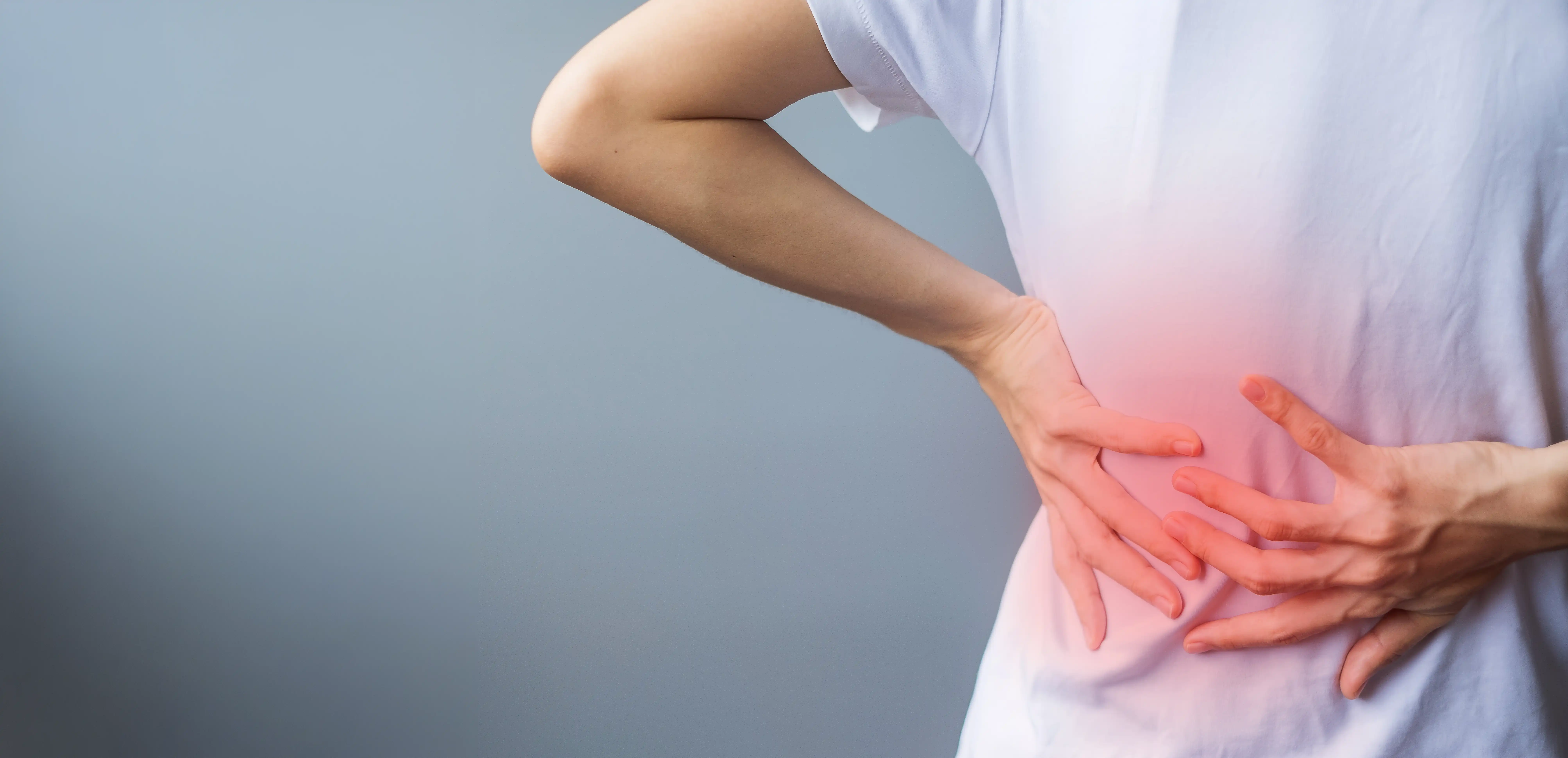
A disc prolapse, also known as a herniated disc or slipped disc, occurs when the soft, gel-like center of an intervertebral disc pushes through a tear in its outer fibrous layer. This condition can place pressure on nearby nerves, leading to pain, neurological symptoms, and reduced mobility.

Disc prolapse can occur in different regions of the spine, most commonly in the lumbar spine (lower back) or the cervical spine (neck).

At Fakeeh University Hospital Dubai, our spine specialists provide comprehensive evaluation and personalized treatment for patients with disc prolapse. Using advanced diagnostic imaging and minimally invasive surgical techniques when necessary, we focus on relieving nerve compression, restoring spinal function, and helping patients return to their daily activities.

Early diagnosis and appropriate treatment are essential to prevent persistent nerve irritation and long-term complications.

What Is a Disc Prolapse?

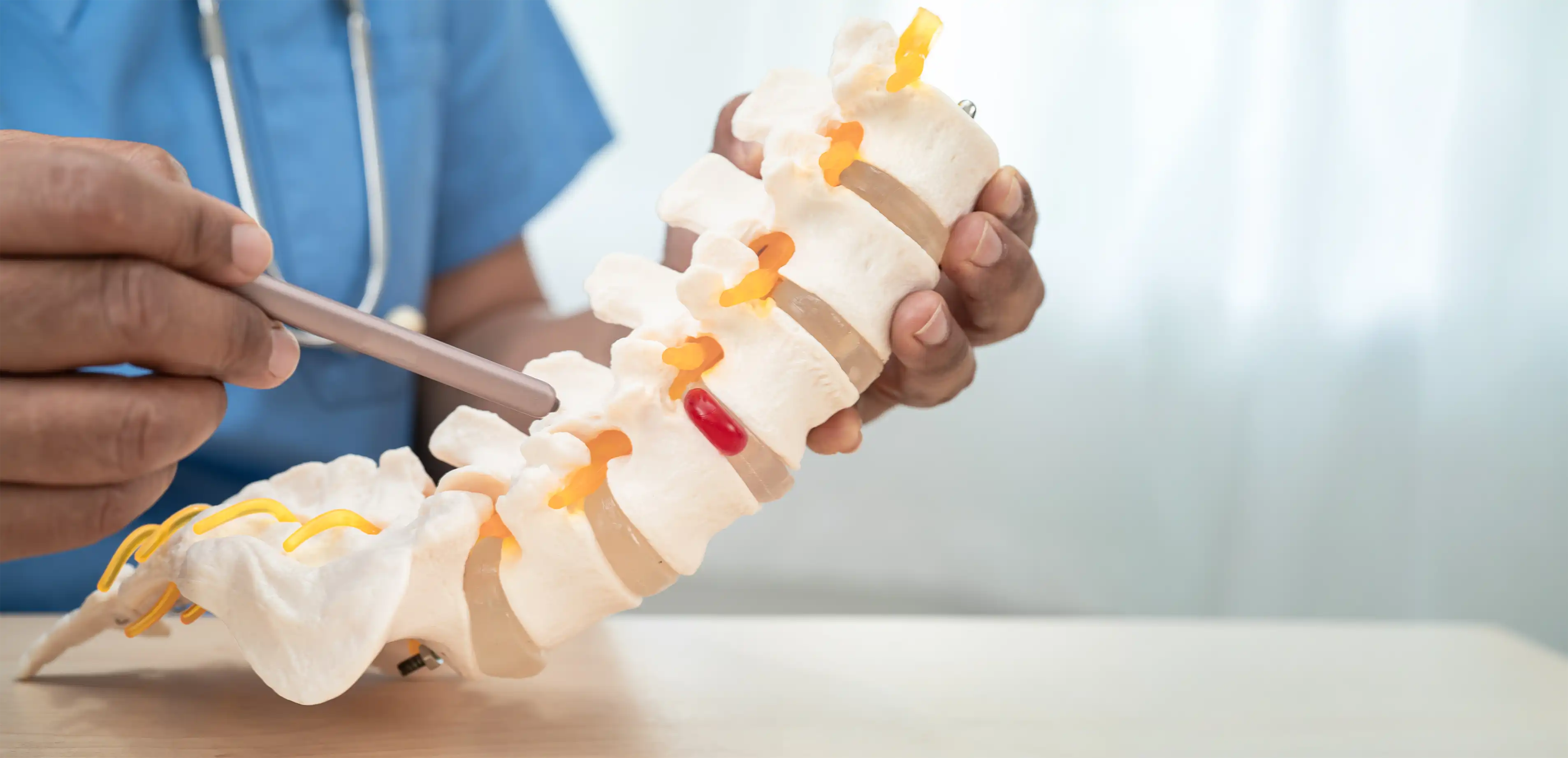
The spine is composed of vertebrae separated by intervertebral discs, which act as shock absorbers and allow flexibility of the spine.

Each disc contains:

• A soft inner core (nucleus pulposus)

• A strong outer ring (annulus fibrosus)

A disc prolapse occurs when the inner material pushes through a tear in the outer layer. If the protruding disc material compresses nearby nerves or the spinal cord, it can cause pain and neurological symptoms.

Disc prolapse most frequently occurs in:

Lumbar spine – often causing leg pain (sciatica)

Cervical spine – often causing arm pain or numbness

Common Symptoms of Disc Prolapse

Symptoms depend on the location and severity of the disc herniation.

Common symptoms include:

• Localized neck or back pain

• Radiating pain into the arm or leg

• Numbness or tingling in the hands, arms, legs, or feet

• Muscle weakness in the affected limb

• Pain that worsens with movement, coughing, or straining

• Reduced mobility or difficulty bending and lifting

Lumbar disc prolapse commonly causes sciatica, where pain travels down the leg.

Cervical disc prolapse may cause arm pain, weakness, or sensory changes.

Common Causes of Disc Prolapse

Disc prolapse usually develops due to a combination of age-related degeneration and mechanical stress on the spine.

1. Disc Degeneration

With aging, spinal discs gradually lose hydration and elasticity. This natural wear and tear makes the disc more vulnerable to tears and herniation.

2. Repetitive Strain

Activities involving repetitive bending, lifting, or twisting place increased stress on spinal discs.

Occupations that require heavy lifting or prolonged physical strain may increase the risk.

3. Trauma or Injury

Sudden trauma, such as falls, accidents, or sports injuries, can cause an acute disc rupture.

4. Poor Posture

Long periods of sitting, especially with poor posture, can place excessive pressure on spinal discs and contribute to degeneration over time.

Risk Factors for Disc Herniation

Several factors increase the likelihood of developing a disc prolapse:

• Aging and disc degeneration

• Heavy physical work

• Prolonged sitting

• Lack of physical activity

• Obesity

• Smoking

• Poor posture

Maintaining a healthy lifestyle and proper spinal mechanics can reduce the risk.

Diagnosis of Disc Prolapse

At Fakeeh University Hospital Dubai, diagnosis begins with a comprehensive evaluation.

Medical History and Physical Examination

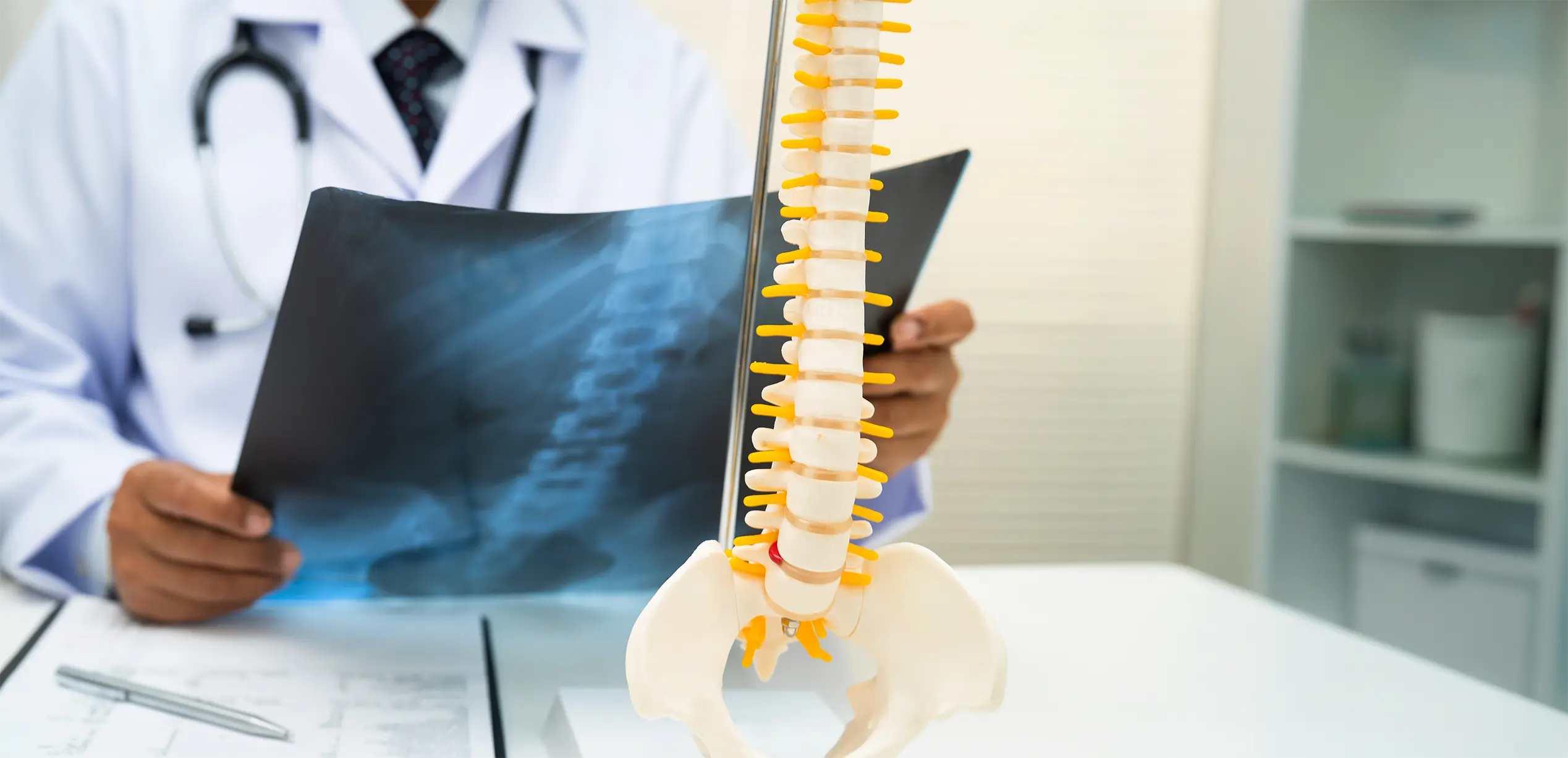
During the consultation, the physician evaluates symptoms, neurological function, reflexes, muscle strength, and spinal mobility.

Specific tests may help determine whether nerve roots are being compressed.

Imaging Studies

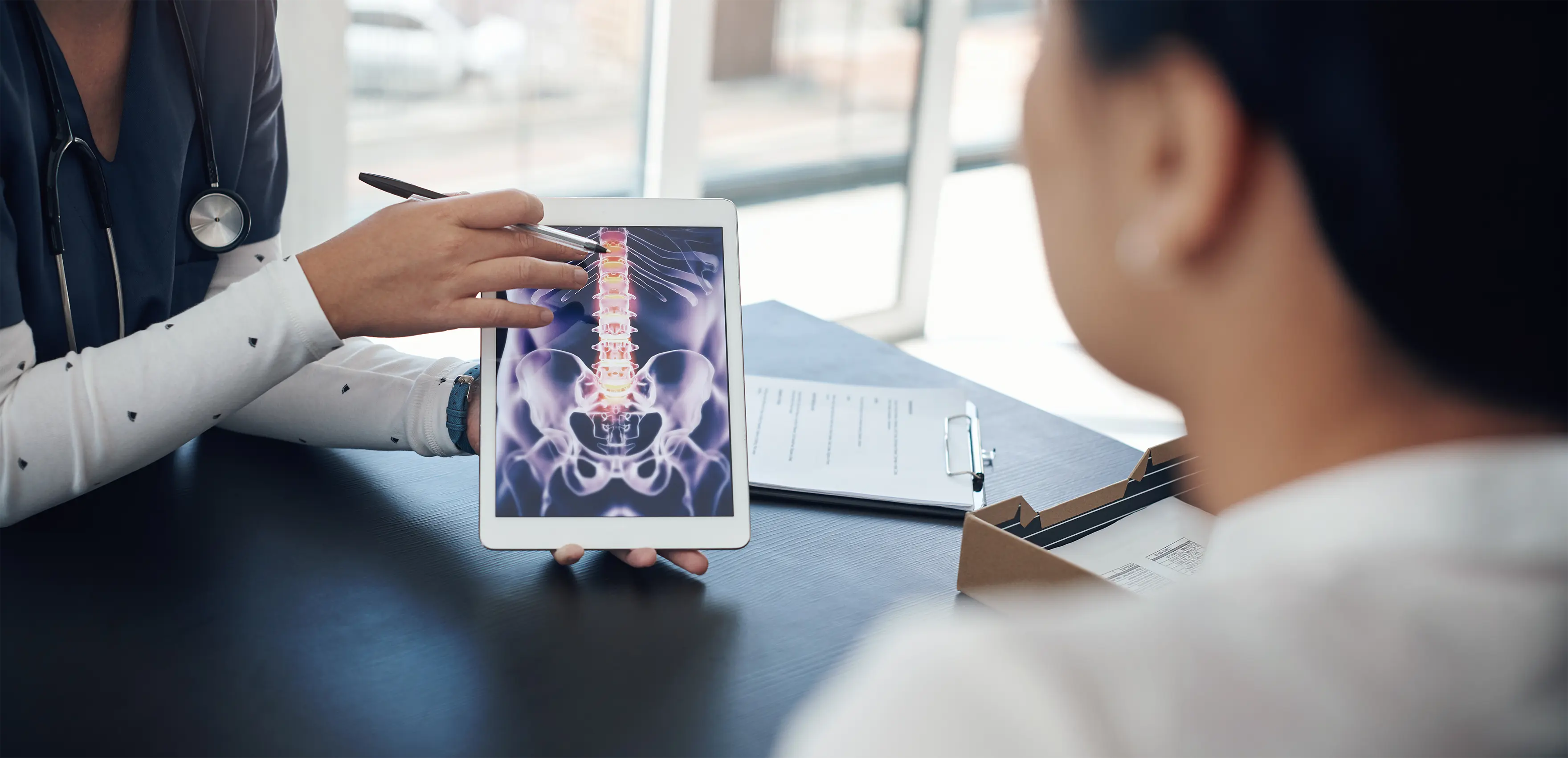
Imaging tests are often used to confirm the diagnosis and determine the exact location of the disc herniation.

These may include:

MRI scans – the most accurate test for visualizing discs and nerves

CT scans – useful for detailed bone structures

• X-rays – to assess spinal alignment

Accurate diagnosis allows targeted and effective treatment.

Treatment Options for Disc Prolapse

Treatment depends on symptom severity, neurological findings, and the patient's overall condition.

Most patients improve with conservative treatment.

1. Conservative Treatment

Physiotherapy

Targeted physiotherapy helps strengthen spinal muscles, improve flexibility, and reduce pressure on affected nerves.

Medication

Pain-relieving and anti-inflammatory medications may help reduce inflammation and nerve irritation.

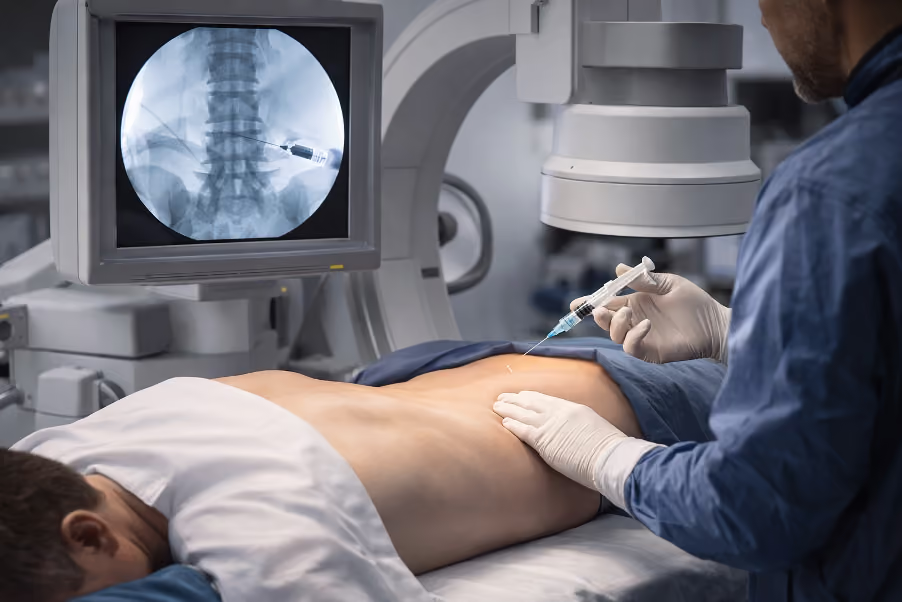
Epidural Injections

Image-guided spinal injections may be used to reduce inflammation around irritated nerve roots and provide pain relief.

2. Surgical Treatment

Surgery may be recommended if:

• Severe nerve compression persists

• Significant muscle weakness develops

• Conservative treatment fails

• Emergency symptoms such as loss of bladder or bowel control occur

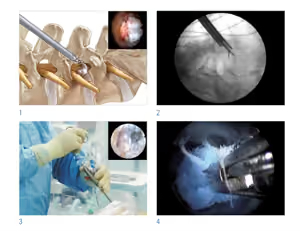
When surgery is necessary, we use advanced minimally invasive techniques, including:

• Microscopic discectomy

• Endoscopic spine surgery

These procedures allow precise removal of the herniated disc material while minimizing tissue disruption, leading to faster recovery and earlier patient discharge.

The surgical technique is carefully selected based on the specific findings of each case.

Prognosis

With appropriate treatment, most patients recover well from disc prolapse and can return to normal activities.

Early diagnosis and targeted therapy are important to prevent chronic nerve irritation and long-term complications.

When Should You Seek Medical Attention?

Immediate medical evaluation is necessary if symptoms include:

• Severe or worsening pain

• Progressive weakness in the arms or legs

• Loss of bladder or bowel control

• Numbness in the groin or saddle area

These may indicate serious neurological compression and require urgent treatment.

Book a Consultation for Disc Prolapse in Dubai

If you are experiencing persistent neck pain, back pain, or radiating arm or leg symptoms, early evaluation can help identify the underlying cause and guide effective treatment.

Book your appointment at Fakeeh University Hospital Dubai to receive expert diagnosis and personalized spine care.

كتبه

Last update date: 23-10-2025
د. إسلام درويش
كتبه
د. إسلام درويش

تمت المراجعة بواسطة

تاريخ آخر تحديث: 23-10-2025
No items found.

الأسئلة الشائعة

What is spinal disc prolapse and what causes it?
Scroll Down

Spinal disc prolapse — also commonly known as a slipped disc, herniated disc, or ruptured disc — occurs when the soft, gel-like inner core of an intervertebral disc (the nucleus pulposus) pushes through a tear or weakness in the tough outer layer (the annulus fibrosus). This displaced disc material can press against nearby spinal nerves or the spinal cord itself, causing pain, numbness, or weakness.

Common causes of disc prolapse include:

  • Age-related degeneration — the most common cause. As we age, spinal discs gradually lose water content and elasticity, making them more vulnerable to tearing or prolapsing
  • Repetitive strain and overuse — repeated bending, twisting, or lifting motions over time gradually weaken the disc wall
  • Sudden heavy lifting — especially with poor posture or technique, placing excessive pressure on the lumbar discs
  • Trauma or injury — a fall, road accident, or direct impact to the spine
  • Prolonged sitting — particularly with poor posture, increases disc pressure significantly
  • Obesity — excess body weight places additional load on the lumbar spine
  • Genetic predisposition — a family history of disc disease increases individual risk
  • Smoking — reduces disc nutrition and accelerates degeneration

Disc prolapse most commonly affects the lumbar spine (lower back) — particularly at the L4–L5 and L5–S1 levels — but can also occur in the cervical spine (neck).

What are the symptoms of a disc prolapse?
Scroll Down

Symptoms of disc prolapse vary depending on the location and severity of the prolapse, and which nerves are affected. Common symptoms include:

Lower back disc prolapse (lumbar):

  • Sharp, shooting, or burning pain in the lower back
  • Sciatica — pain that radiates from the lower back down through the buttock, thigh, calf, and into the foot, following the path of the sciatic nerve
  • Numbness or tingling in the leg, foot, or toes
  • Muscle weakness in the leg or foot — difficulty standing on tiptoes or walking
  • Pain that worsens with sitting, coughing, sneezing, or bending forward
  • In severe cases — cauda equina syndrome, a medical emergency involving loss of bladder or bowel control

Neck disc prolapse (cervical):

  • Neck pain and stiffness
  • Pain radiating into the shoulder, arm, or hand
  • Numbness or tingling in the fingers
  • Weakness in the arm or hand muscles
  • Headaches originating from the neck

Important: If you experience sudden loss of bladder or bowel control, severe progressive weakness in both legs, or numbness in the inner thighs and groin — seek emergency medical care immediately. These are signs of cauda equina syndrome, which requires urgent surgical intervention.

Can disc prolapse be seen on an X-ray?
Scroll Down

This is one of the most common questions patients ask — and the answer is important to understand.

Standard X-ray alone cannot directly show a disc prolapse. Here is why:

  • X-rays show bony structures clearly but do not visualise soft tissues such as spinal discs, nerves, or the spinal cord
  • However, X-rays can reveal indirect signs of disc disease, including:
    • Reduced disc space height between vertebrae — suggesting disc degeneration or collapse
    • Bony spurs (osteophytes) associated with chronic disc disease
    • Vertebral misalignment or instability
    • Ruling out other causes of back pain such as fractures or tumours

The gold standard imaging for disc prolapse is MRI:

  • MRI clearly shows the disc, its position, the degree of prolapse, and the exact nerve or spinal cord being compressed
  • It identifies the level and type of prolapse — contained, extruded, or sequestered
  • Essential for surgical planning and confirming the diagnosis

CT scan may be used when MRI is not available or contraindicated, and CT myelography can be used in complex cases.

At Fakeeh University Hospital Dubai, our radiology team provides advanced MRI and CT imaging with specialist reporting for accurate disc prolapse diagnosis.

How is disc prolapse treated?
Scroll Down

Treatment of disc prolapse depends on the severity of symptoms, the degree of nerve compression, and how long symptoms have been present. Most cases improve with conservative management — surgery is reserved for specific indications.

Conservative (Non-Surgical) Treatment:

  • Rest and activity modification — short-term rest followed by gradual return to movement. Prolonged bed rest is not recommended
  • Physiotherapy — targeted exercises to strengthen core muscles, improve posture, and reduce nerve irritation. One of the most effective long-term treatments
  • Pain medication — NSAIDs (anti-inflammatory medications), muscle relaxants, and nerve pain medications as prescribed by your doctor
  • Epidural steroid injections — corticosteroid injections into the epidural space to reduce inflammation around the affected nerve and provide significant pain relief
  • Heat and cold therapy — for short-term symptomatic relief
  • Lifestyle modifications — weight management, ergonomic improvements, and posture correction

Surgical Treatment:

Surgery is considered when conservative treatment fails after 6 to 12 weeks, or when there are signs of significant neurological compromise. Surgical options include:

  • Microdiscectomy — the most common and effective procedure for lumbar disc prolapse. A small portion of the disc pressing on the nerve is removed through a minimally invasive approach with excellent outcomes and fast recovery
  • Endoscopic discectomy — an even less invasive option using a small endoscope, offering minimal tissue disruption and faster recovery
  • Anterior cervical discectomy and fusion (ACDF) — for cervical disc prolapse, the disc is removed from the front of the neck and the vertebrae are fused
  • Cervical disc replacement — an alternative to fusion that preserves neck movement
  • Spinal decompression and fusion — for complex or recurrent cases involving instability

At Fakeeh University Hospital Dubai, our spine surgery team offers the full range of minimally invasive and advanced surgical treatments for disc prolapse — with a focus on fast recovery and long-term outcomes.

منشورات ذات صلة

Neck Pain

Neck Pain

عرض التفاصيل
Hemivertebra: Symptoms, Causes, Diagnosis, and Treatment

Hemivertebra: Symptoms, Causes, Diagnosis, and Treatment

عرض التفاصيل
Back Pain: Symptoms, Causes, Diagnosis, and Treatment

Back Pain: Symptoms, Causes, Diagnosis, and Treatment

عرض التفاصيل
Adult Scoliosis: Symptoms, Causes, Diagnosis, and Treatment

Adult Scoliosis: Symptoms, Causes, Diagnosis, and Treatment

عرض التفاصيل
Adult Kyphosis: Symptoms, Causes, Diagnosis, and Treatment

Adult Kyphosis: Symptoms, Causes, Diagnosis, and Treatment

عرض التفاصيل
علاج تدلي القرص في دبي

علاج تدلي القرص في دبي

عرض التفاصيل