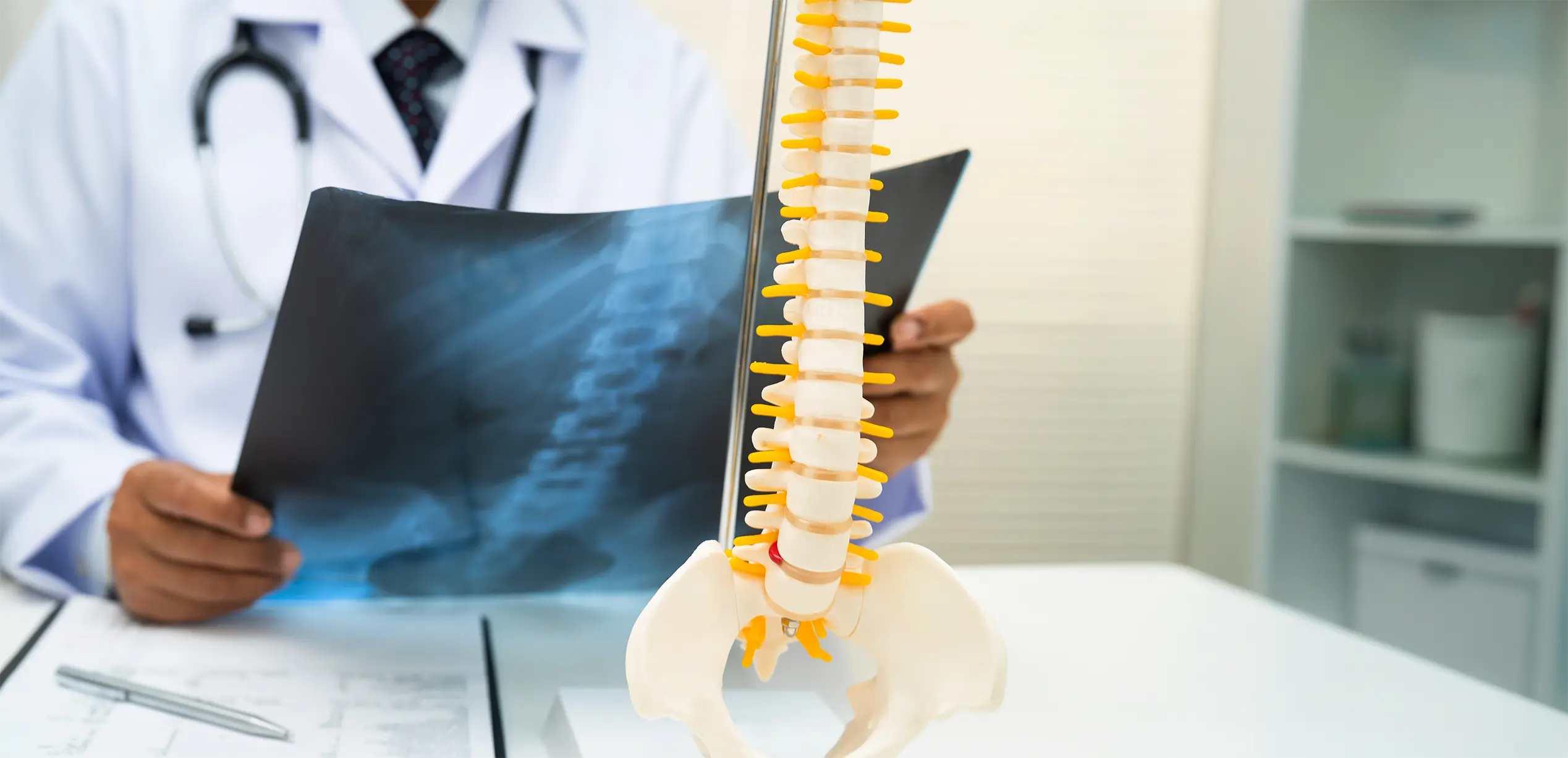
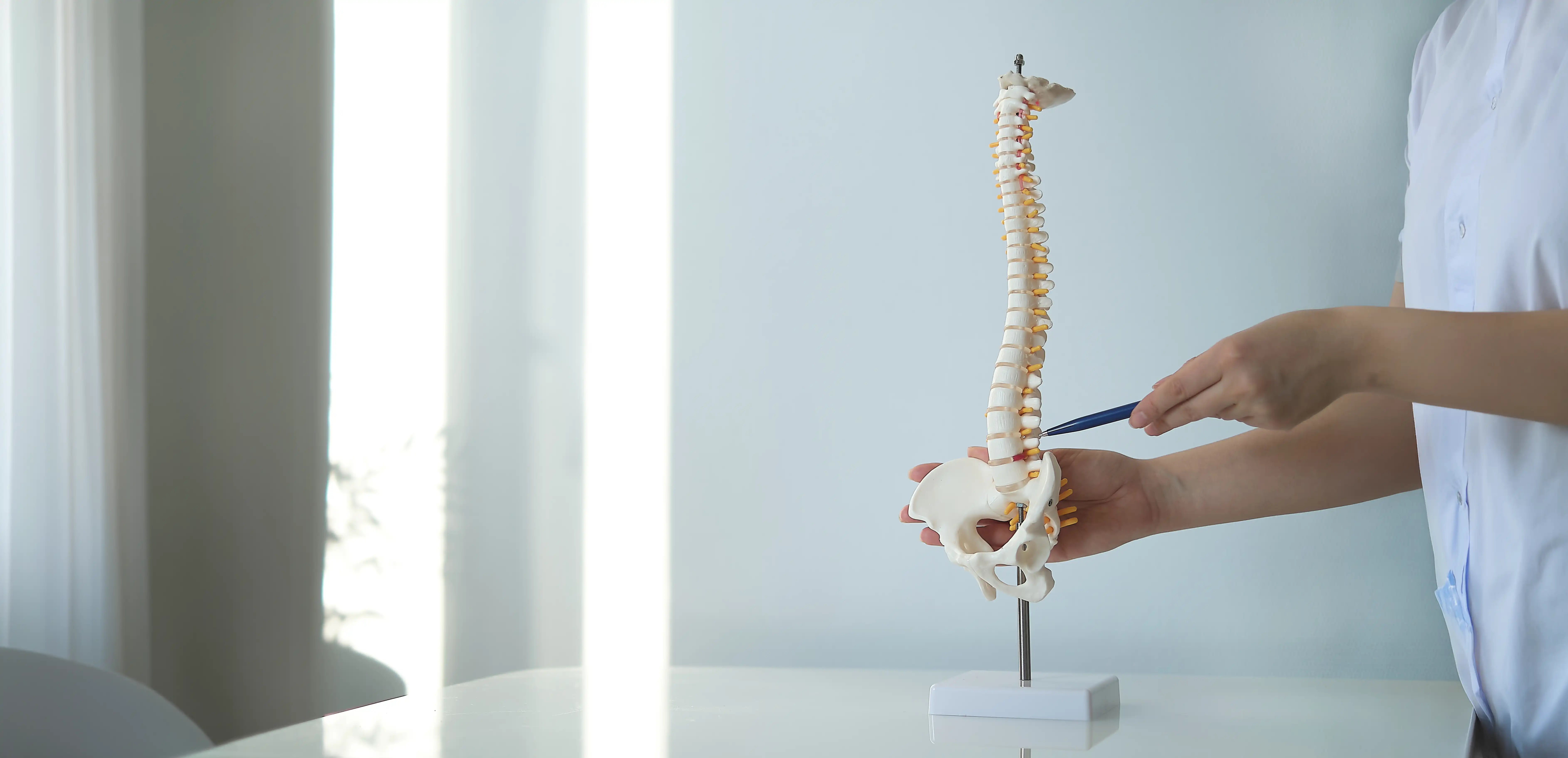
جنف البالغين هو حالة تتميز بانحناء غير طبيعي في العمود الفقري نحو الجانب، يظهر أو يتفاقم خلال مرحلة البلوغ. وعلى الرغم من ارتباط الجنف غالبًا بمرحلة المراهقة، إلا أن العديد من البالغين يصابون بانحناء في العمود الفقري في وقت لاحق من حياتهم نتيجة لتنكس العمود الفقري أو تطور انحناء كان موجودًا مسبقًا.
يمكن أن يؤدي جنف البالغين إلى آلام الظهر، واختلال توازن العمود الفقري، وانضغاط الأعصاب، وانخفاض القدرة على الحركة، خاصة عندما يزداد الانحناء سوءًا أو يؤثر على هياكل العمود الفقري المحيطة.
في مستشفى فقيه الجامعي بدبي، يقدم أخصائيو العمود الفقري لدينا تقييمًا شاملاً وعلاجًا مخصصًا لمرضى جنف البالغين. ومن خلال استخدام تقنيات التصوير المتقدمة والاستراتيجيات الجراحية الحديثة عند الضرورة، نركز على استعادة استقامة العمود الفقري، وتخفيف انضغاط الأعصاب، وتحسين الوظيفة العامة وجودة الحياة.
يعد التشخيص المبكر والعلاج المناسب أمرًا مهمًا لمنع تفاقم تشوه العمود الفقري والمضاعفات طويلة الأمد.
يبدو العمود الفقري طبيعيًا ومستقيمًا عند النظر إليه من الأمام أو الخلف. أما في حالة الجنف، فيتطور لدى العمود الفقري انحناء جانبي، وغالبًا ما يكون مصحوبًا بدوران في الفقرات.
لدى البالغين، قد يتطور الجنف نتيجة لما يلي:
• تطور الجنف الذي بدأ خلال مرحلة المراهقة
• التغيرات التنكسية التي تؤثر على أقراص ومفاصل العمود الفقري
مع تقدم الانحناء، يمكن أن يؤدي ذلك إلى تغيير توازن العمود الفقري والضغط على العضلات والمفاصل والأعصاب.
يمكن تصنيف جنف البالغين إلى عدة أنواع اعتمادًا على منشئه.
يتطور هذا النوع في مرحلة لاحقة من الحياة بسبب تنكس أقراص ومفاصل العمود الفقري. ومع انهيار الأقراص وتدهور المفاصل الوجيهية، قد ينحني العمود الفقري ويدور تدريجيًا.
يظهر الجنف التنكسي بشكل أكثر شيوعًا في منطقة أسفل الظهر.
عانى بعض البالغين من الجنف خلال مرحلة المراهقة واستمر في التطور بمرور الوقت.
قد تظل هذه الحالة مستقرة لسنوات، لكنها قد تتفاقم لاحقًا بسبب التغيرات التنكسية في العمود الفقري.
في بعض الحالات، قد يتطور الجنف كحالة ثانوية ناتجة عن مشاكل أخرى في العمود الفقري مثل:
• كسور الفقرات
• تنكس الأقراص الفقرية
• الاضطرابات العصبية العضلية
• جراحات سابقة في العمود الفقري
تختلف الأعراض بناءً على شدة الانحناء والأجزاء المتأثرة من العمود الفقري.
تشمل الأعراض الشائعة ما يلي:
• آلام الظهر المزمنة
• عدم تماثل الكتفين أو الوركين
• انحناء مرئي في العمود الفقري
• إجهاد أو تيبس في عضلات الظهر
• انخفاض في المرونة أو القدرة على الحركة
في حال حدوث ضغط على الأعصاب، قد يعاني المرضى أيضاً من:
• ألم يمتد إلى الساقين
• تنميل أو وخز في الأطراف السفلية
• ضعف في العضلات
• صعوبة في الوقوف أو المشي لفترات طويلة
في الحالات المتقدمة، قد يؤدي عدم توازن العمود الفقري إلى صعوبة في الحفاظ على وضعية الجسم القائمة.
في مستشفى فقيه الجامعي بدبي، يبدأ التشخيص بتقييم سريري مفصل.
يقوم الطبيب بتقييم وضعية الجسم، ومحاذاة العمود الفقري، والحركة، والوظائف العصبية.
أثناء الفحص، يتم تقييم انحناء العمود الفقري وأي علامات على عدم التوازن أو انضغاط الأعصاب.
تعد اختبارات التصوير ضرورية لتأكيد التشخيص وتقييم مدى شدة انحناء العمود الفقري.
قد تشمل هذه الاختبارات:
• الأشعة السينية – لقياس درجة انحناء العمود الفقري (زاوية كوب)
• التصوير بالرنين المغناطيسي – لتقييم انضغاط الأعصاب والأنسجة الرخوة
• الأشعة المقطعية – مفيدة للتقييم التفصيلي لهياكل العظام
تساعد هذه الدراسات في تحديد استراتيجية العلاج الأنسب.
يعتمد العلاج على شدة الانحناء، والأعراض، والحالة الصحية العامة للمريض.
يستفيد العديد من المرضى من العلاج التحفظي.
تركز برامج العلاج الطبيعي على تقوية عضلات العمود الفقري والعضلات الجذعية، وتحسين وضعية الجسم، وتعزيز استقرار العمود الفقري.
قد تساعد الأدوية المضادة للالتهابات والعلاجات الموجهة في تخفيف الألم والالتهاب.
قد يؤدي تعديل بعض الأنشطة والحفاظ على وضعية سليمة للجسم إلى تقليل الضغط على العمود الفقري.
قد يتم النظر في الجراحة في الحالات التالية:
• استمرار تدهور انحناء العمود الفقري
• استمرار الألم الشديد رغم الخضوع للعلاج التحفظي
• تسبب ضغط الأعصاب في ظهور أعراض عصبية
• حدوث اختلال كبير في توازن العمود الفقري
يهدف العلاج الجراحي إلى تصحيح استقامة العمود الفقري، وتخفيف الضغط عن الأعصاب، وتثبيت العمود الفقري.
تعتمد التقنيات الجراحية الحديثة غالباً على التدخلات طفيفة التوغل وأدوات تثبيت العمود الفقري المتطورة، مما يسمح بتصحيح أفضل وتعافٍ أسرع.
مريض يبلغ من العمر 43 عاماً يعاني من جنف مزمن في العمود الفقري، تطور لديه تضيق تدريجي في القناة الشوكية، مما أدى إلى ضغط شديد على الأعصاب. كان يعاني من آلام مبرحة في الظهر والساقين مع عرج عصبي، مما قلل بشكل كبير من قدرته على المشي وحركته اليومية.
بعد تقييم دقيق، أجرينا تصحيحاً جراحياً لتشوه العمود الفقري مع تخفيف الضغط عن الأعصاب المتضررة، مما أعاد للعمود الفقري استقامته الطبيعية. تم تقويم العمود الفقري وتثبيته، مما أدى إلى زوال الضغط عن الأعصاب.
بعد الجراحة، شعر المريض براحة كبيرة من الألم واستعاد قدرته على الوقوف والجلوس والمشي بوضعية مستقيمة مرة أخرى، مع تحسن ملحوظ في حركته العامة وجودة حياته.

يمكن للعديد من مرضى الجنف لدى البالغين تحقيق تحسن ملحوظ في الألم والأداء الوظيفي من خلال العلاج المناسب.
يساعد التقييم المبكر ووضع خطة علاجية مخصصة لكل حالة في منع تفاقم التشوه وتحسين النتائج على المدى الطويل.
يُنصح بالخضوع لتقييم طبي إذا كنت تعاني من:
• آلام الظهر المستمرة
• انحناء مرئي في العمود الفقري أو تغيرات في القوام
• عدم توازن متزايد أثناء الوقوف أو المشي
• ألم يمتد إلى الساقين
• تنميل أو ضعف في الأطراف السفلية
قد تشير هذه الأعراض إلى وجود تشوه في العمود الفقري أو ضغط على الأعصاب، مما يستدعي تقييماً متخصصاً.
إذا كنت تعاني من آلام الظهر، أو عدم توازن في العمود الفقري، أو أعراض توحي بالإصابة بالجنف، فإن التقييم المبكر يساعد في تحديد العلاج الأنسب لحالتك.
احجز موعدك في مستشفى فقيه الجامعي بدبي للحصول على تشخيص دقيق ورعاية متخصصة للعمود الفقري.


.webp)


.jpg)