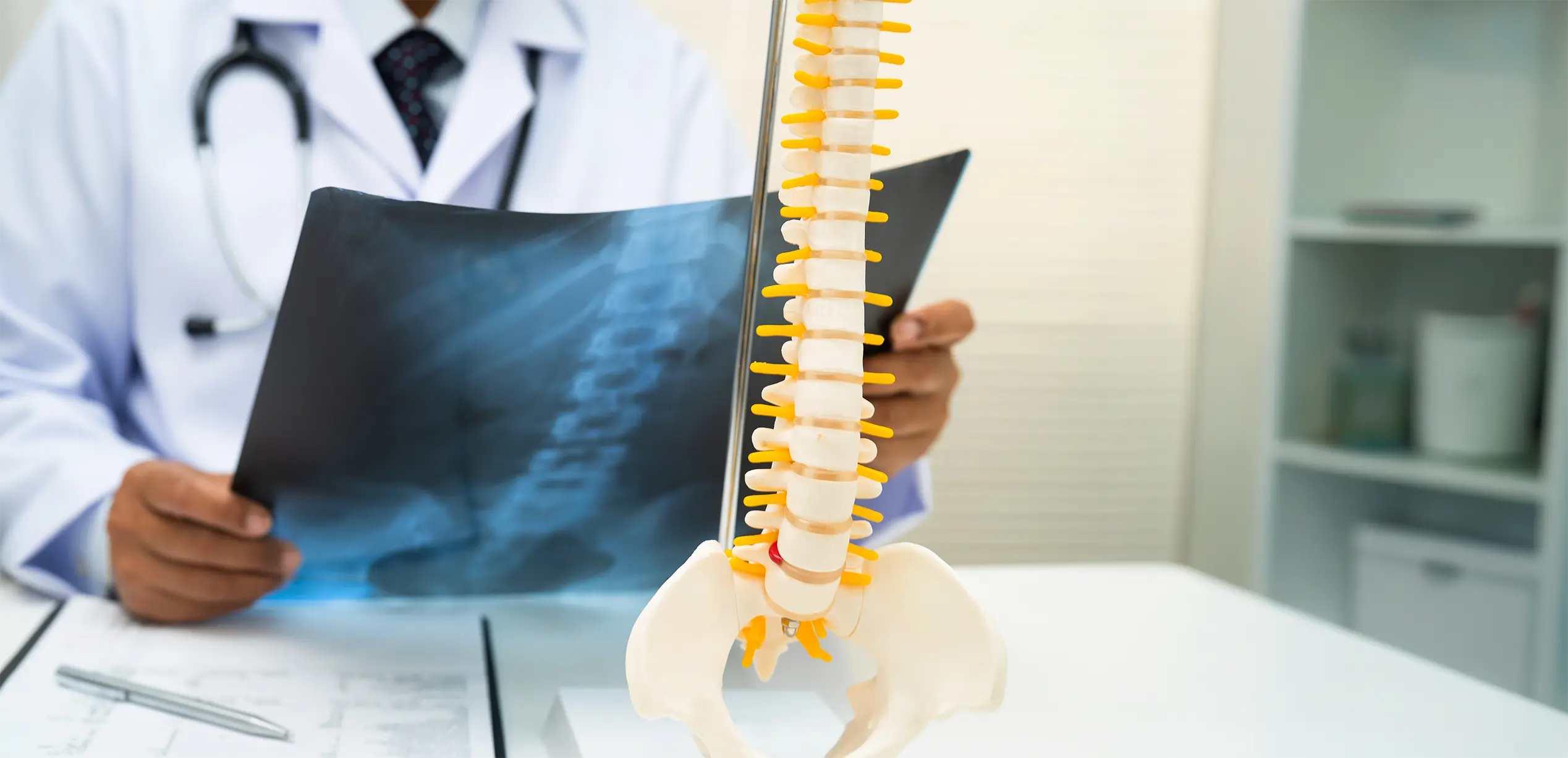
تعد آلام الظهر من أكثر المشكلات الصحية شيوعاً التي تصيب الأشخاص من جميع الأعمار. وتتراوح حدتها بين انزعاج بسيط وألم شديد يعيق الأنشطة اليومية مثل المشي أو الجلوس أو النوم أو العمل. قد تظهر آلام الظهر فجأة نتيجة إصابة، أو تتطور تدريجياً بمرور الوقت بسبب سوء وضعية الجسم، أو إجهاد العضلات، أو حالات مرضية في العمود الفقري.
في مستشفى فقيه الجامعي بدبي، يقدم فريقنا المتمرس من استشاريي العمود الفقري وأطباء الأعصاب وأخصائيي العلاج الطبيعي تقييماً شاملاً وعلاجاً مخصصاً لآلام الظهر. ومن خلال استخدام تقنيات تشخيصية متطورة، وأساليب جراحية طفيفة التوغل، ورعاية قائمة على الأدلة العلمية، يحدد أخصائيونا السبب الكامن وراء آلام الظهر ويضعون خطط علاج مصممة خصيصاً لاستعادة القدرة على الحركة، وتخفيف الألم، وتحسين جودة الحياة.
التشخيص المبكر والعلاج المناسب ضروريان للوقاية من الألم المزمن ومضاعفات العمود الفقري طويلة الأمد.
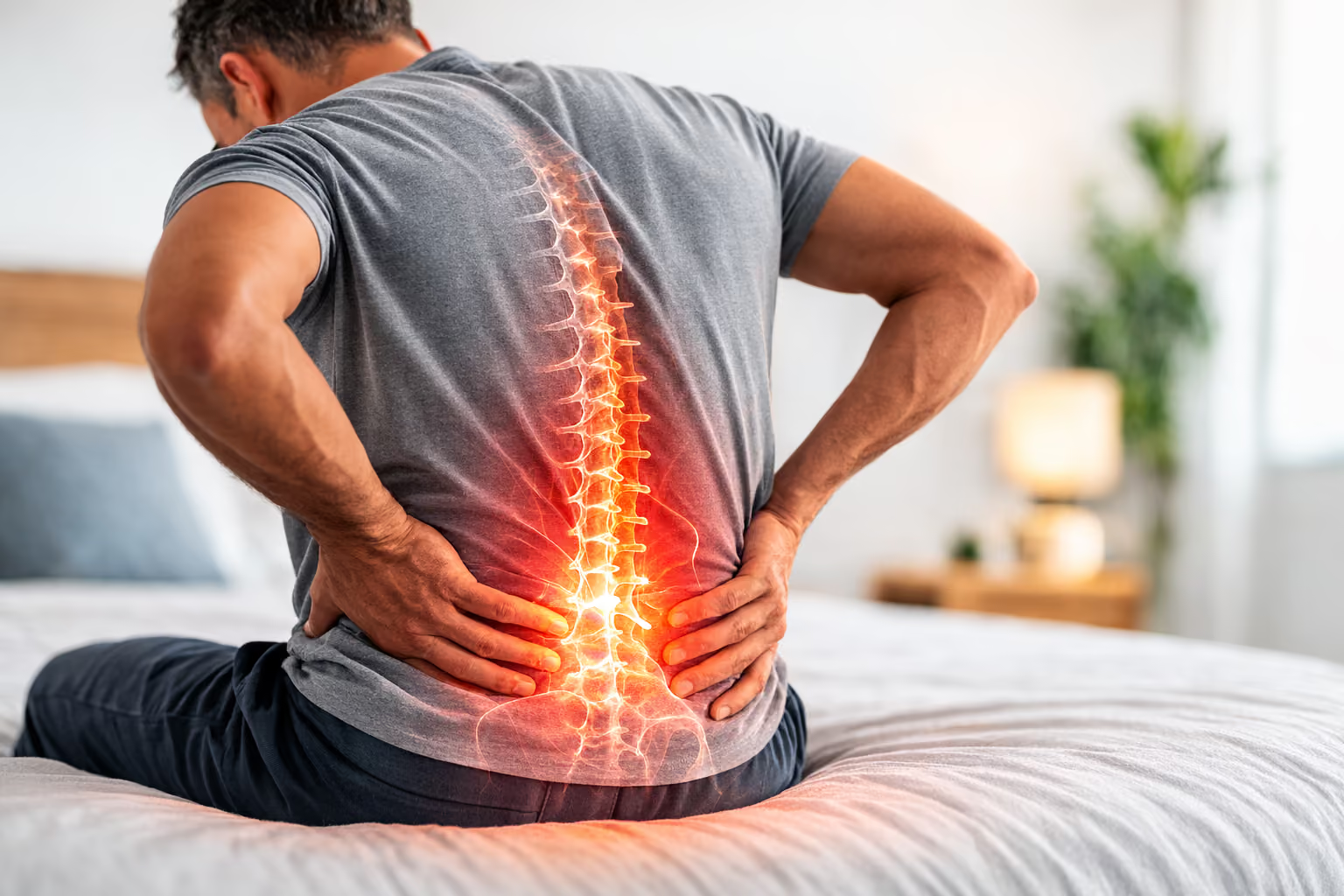
تشير آلام الظهر إلى الشعور بعدم الراحة أو التيبس في العمود الفقري، الذي يمتد من قاعدة الرقبة إلى أسفل الظهر. يتكون العمود الفقري من فقرات، وأقراص، وعضلات، وأربطة، وأعصاب تدعم الجسم وتسمح له بالحركة.
قد تحدث آلام الظهر في مناطق مختلفة من العمود الفقري:
• آلام الرقبة (العمود الفقري العنقي)
• آلام منتصف الظهر (العمود الفقري الصدري)
• آلام أسفل الظهر (العمود الفقري القطني)
تعد آلام أسفل الظهر هي النوع الأكثر شيوعاً لأن العمود الفقري القطني يتحمل معظم وزن الجسم وهو المسؤول عن العديد من الحركات مثل الانحناء والرفع.
يمكن أن تنتشر آلام الظهر أحياناً إلى أجزاء أخرى من الجسم، بما في ذلك الوركين أو الساقين أو الكتفين.
يمكن أن تظهر آلام الظهر بأعراض مختلفة اعتماداً على سبب الحالة وشدتها.
تشمل الأعراض الشائعة ما يلي:
• ألم مستمر أو تيبس في الظهر
• ألم حاد أو طاعن في العمود الفقري
• شد عضلي أو تشنجات
• ألم يزداد سوءاً مع الحركة
• صعوبة في الوقوف بشكل مستقيم
• ألم يمتد إلى الساقين أو الوركين
• خدر أو تنميل في الساقين أو القدمين
• ضعف في الأطراف السفلية
يعاني بعض الأفراد من زيادة في الألم بعد الجلوس أو الوقوف لفترات طويلة أو ممارسة النشاط البدني.
عندما يمتد ألم الظهر إلى الساق بسبب ضغط على الأعصاب، فقد يكون ذلك حالة تُعرف بعرق النسا.
يمكن أن ينشأ ألم الظهر نتيجة لعدة عوامل تؤثر على العضلات أو الأقراص أو المفاصل أو أعصاب العمود الفقري.
يُعد الشد العضلي أحد أكثر أسباب آلام الظهر شيوعاً، وقد يحدث نتيجة تمدد العضلات أو الأربطة بشكل مفرط أو تمزقها.
تشمل الأسباب الشائعة للشد العضلي ما يلي:
• رفع الأشياء الثقيلة بطريقة خاطئة
• الحركات المفاجئة غير المعتادة
• وضعية الجسم الخاطئة أثناء العمل أو الأنشطة اليومية
• الإجهاد الزائد أثناء ممارسة التمارين الرياضية
عادة ما يتحسن الشد العضلي مع الراحة والعلاجات التحفظية.
تعمل أقراص العمود الفقري كوسائد بين الفقرات. وعندما يتضرر القرص أو يبرز للخارج، فقد يضغط على الأعصاب المجاورة.
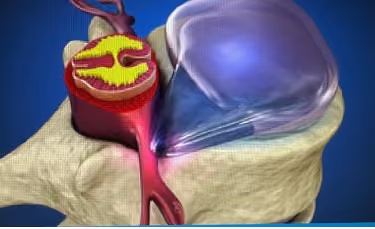
يمكن أن تسبب هذه الحالة:
• ألم أسفل الظهر
• ألم ممتد إلى الساقين
• خدر أو شعور بالتنميل
• ضعف في العضلات
تعد الانزلاقات الغضروفية سبباً شائعاً لآلام الظهر المزمنة التي تمتد إلى الساقين.
مع التقدم في العمر، يتعرض العمود الفقري للتآكل الطبيعي. قد تشمل الحالات التنكسية ما يلي:
تفقد الأقراص مرونتها وقدرتها على امتصاص الصدمات، مما يؤدي إلى الشعور بالألم والتيبس.
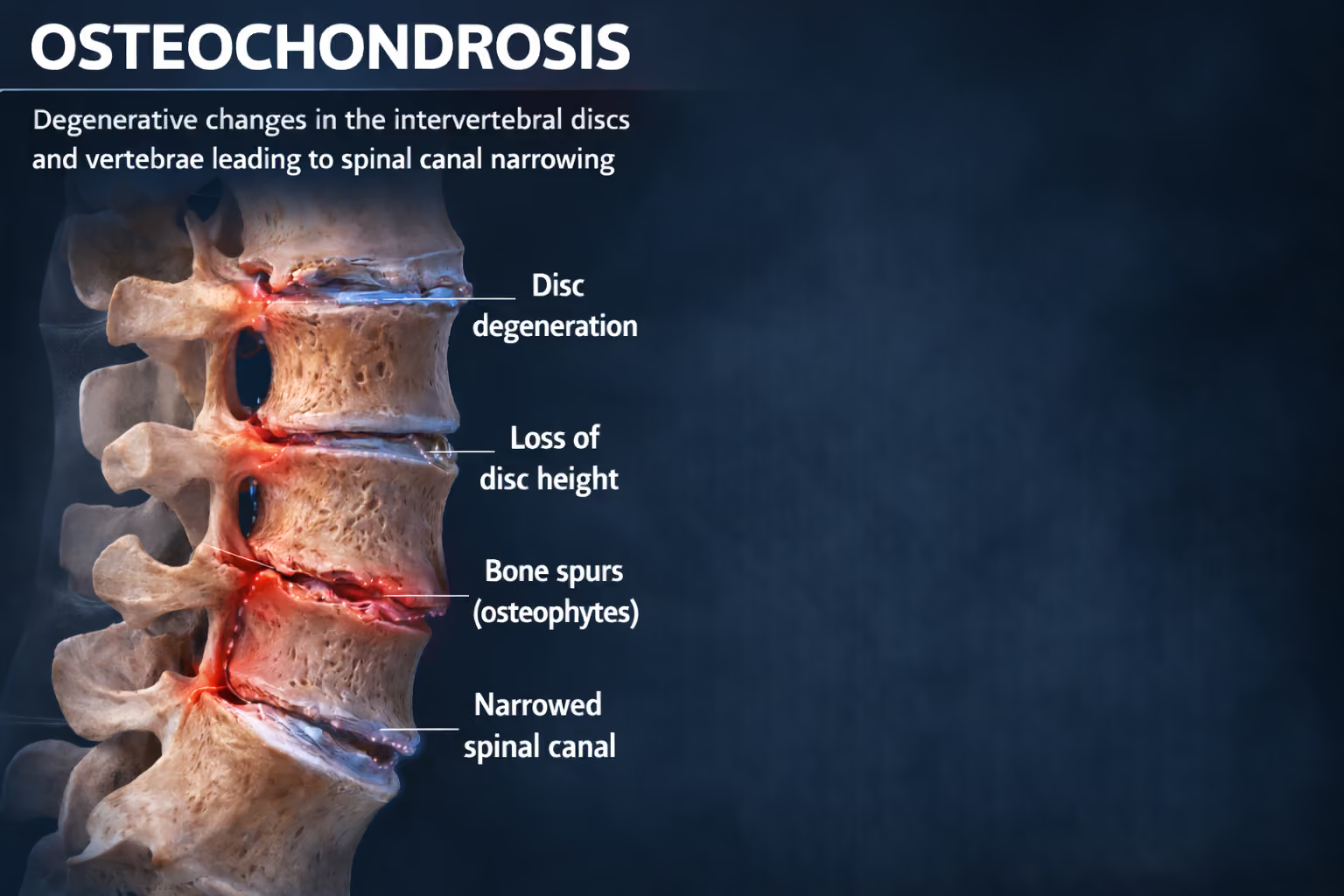
يمكن أن يسبب تآكل مفاصل العمود الفقري التهاباً ويقلل من القدرة على الحركة.
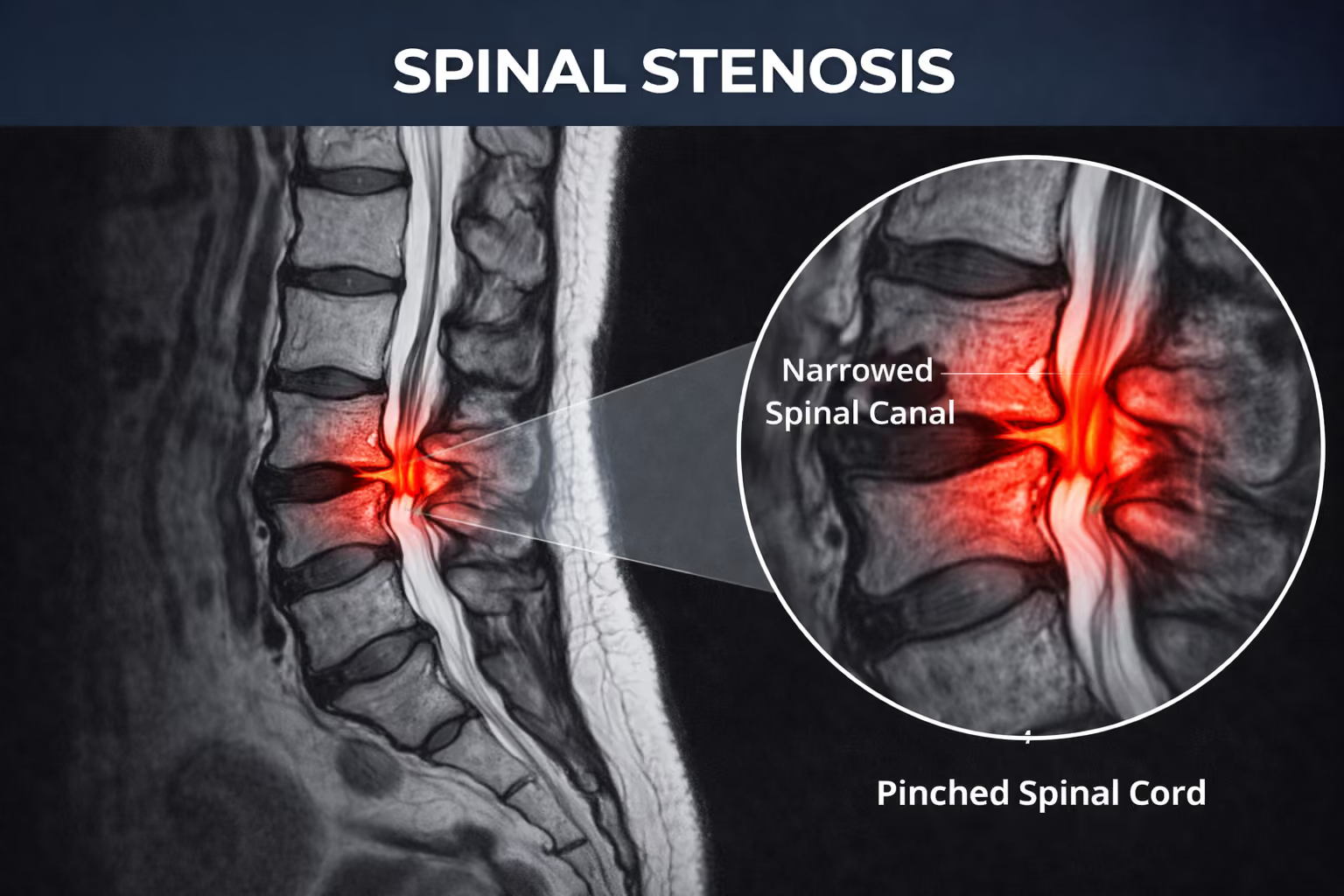
قد يؤدي ضيق القناة الشوكية إلى الضغط على الأعصاب والتسبب في ألم أو خدر.
تعد هذه الحالات أكثر شيوعاً لدى كبار السن.
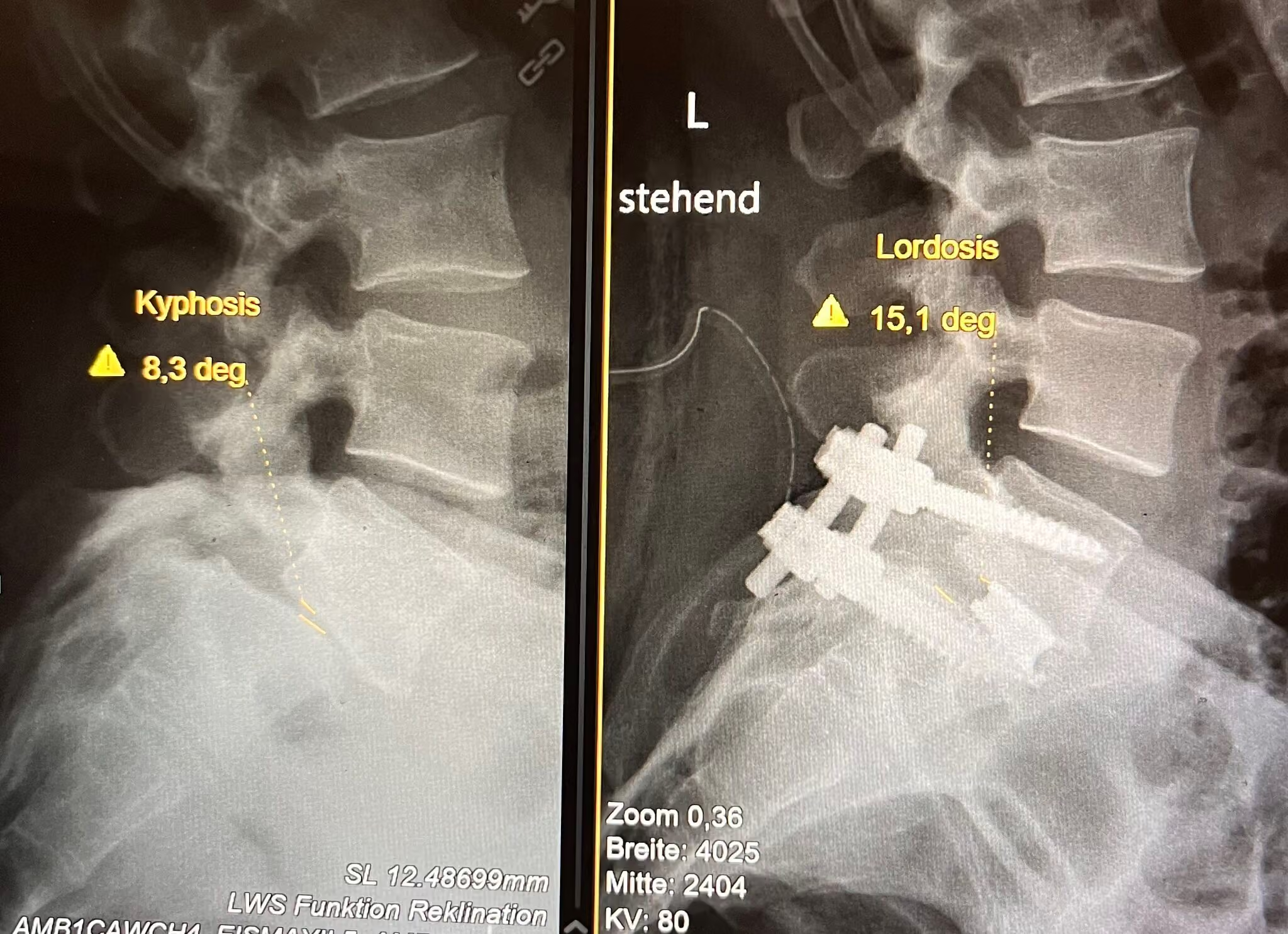
انزلاق إحدى الفقرات فوق الفقرة التي تليها
غالباً ما تتضمن أنماط الحياة العصرية الجلوس لفترات طويلة، خاصة أثناء العمل المكتبي أو عند استخدام الأجهزة الإلكترونية.
يضع سوء القوام ضغطاً مفرطاً على العمود الفقري والعضلات، مما قد يؤدي إلى آلام الظهر المزمنة.
تشمل المشكلات الشائعة المتعلقة بالقوام ما يلي:
• اتخاذ وضعية منحنية أثناء الجلوس
• الانحناء للأمام عند استخدام الحاسوب
• استخدام الهاتف الذكي لفترات طويلة
تحسين وضعية الجلوس يمكن أن يقلل بشكل كبير من إجهاد الظهر.
قد تحدث إصابات الظهر نتيجة لما يلي:
• السقوط
• الإصابات الرياضية
• حوادث السيارات
• حوادث العمل
يمكن أن تؤثر الإصابات على العضلات أو الأربطة أو الأقراص أو الفقرات، وقد تتطلب تقييماً طبياً.
يمكن أن تسبب بعض الحالات الطبية أيضاً آلام الظهر، بما في ذلك:
• الجنف (انحناء العمود الفقري)
• الحداب
• هشاشة العظام
• التهابات الكلى
• أورام العمود الفقري
• الأمراض الالتهابية مثل التهاب الفقار المقسط
إذا كان ألم الظهر مصحوباً بأعراض غير معتادة، فقد يتطلب الأمر إجراء المزيد من الفحوصات.
هناك عدة عوامل تزيد من خطر الإصابة بآلام الظهر:
• قلة النشاط البدني
• السمنة أو زيادة وزن الجسم
• التقدم في العمر والتغيرات التنكسية في العمود الفقري
• الإجهاد البدني المتكرر
• التدخين
• التوتر والشد العضلي
اتباع نمط حياة صحي يمكن أن يقلل من خطر الإصابة بمشاكل الظهر المزمنة.
على الرغم من أن العديد من حالات آلام الظهر تتحسن بالراحة والرعاية المنزلية، إلا أن التقييم الطبي يصبح ضرورياً إذا كان الألم:
• يستمر لأكثر من أسبوع
• يحدث بعد إصابة خطيرة
• يمتد إلى الساقين أو يسبب ضعفاً فيهما
• يسبب تنميلاً أو وخزاً
• يصاحبه حمى أو فقدان غير مبرر في الوزن
• يعيق ممارسة الأنشطة اليومية
يساعد طلب المشورة الطبية مبكراً في تحديد حالات العمود الفقري الخطيرة ويضمن الحصول على العلاج المناسب.
في مستشفى فقيه الجامعي بدبي، يتم تقييم آلام الظهر باستخدام نهج تشخيصي شامل.
يقوم الأطباء بتقييم الأعراض، ووضعية الجسم، والقدرة على الحركة، واستقامة العمود الفقري خلال فحص بدني دقيق.
قد تشمل الفحوصات التشخيصية ما يلي:
• الأشعة السينية لتقييم بنية العظام واستقامتها
• التصوير بالرنين المغناطيسي لتقييم الأقراص والأعصاب والأنسجة الرخوة
• الأشعة المقطعية لفحص تشوهات العمود الفقري
قد يقوم المتخصصون بتقييم وظائف الأعصاب لتحديد ما إذا كانت تتعرض لأي ضغط.
يساعد التشخيص الدقيق في تحديد خطة العلاج الأكثر فعالية.
يعتمد العلاج على السبب الكامن وراء الألم، وشدة الأعراض، والحالة الصحية العامة للمريض.
يمكن علاج معظم حالات آلام الظهر دون الحاجة إلى جراحة.
يساعد العلاج الطبيعي في تقوية العضلات، وتحسين المرونة، ودعم العمود الفقري.
قد يوصي الأطباء بعلاجات لتقليل الالتهاب وتخفيف الانزعاج.
يمكن أن يؤدي تحسين وضعية الجسم، وتعديل محطات العمل، والحفاظ على نمط حياة نشط إلى تقليل آلام الظهر بشكل كبير.
في حال لم تؤدِ العلاجات التحفظية إلى تحسن الحالة، قد تشمل الخيارات الإضافية ما يلي:
• إجراءات علاج الألم التداخلية مثل الحقن الموجه بالتصوير الطبي
• جراحات العمود الفقري طفيفة التوغل
.avif)
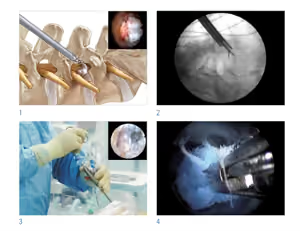
لا يُنصح بالتدخل الجراحي إلا في الحالات التي تتطلب تصحيحاً لمشاكل هيكلية في العمود الفقري.
يمكن للتدابير الوقائية أن تساعد في حماية العمود الفقري وتقليل خطر الإصابة بآلام الظهر المزمنة.
تشمل الاستراتيجيات المفيدة ما يلي:
• الحفاظ على وضعية جسم سليمة أثناء الجلوس والوقوف
• ممارسة التمارين الرياضية بانتظام لتقوية عضلات الجذع
• رفع الأشياء بطريقة صحيحة باستخدام الساقين بدلاً من الظهر
• الحفاظ على وزن صحي للجسم
• استخدام أثاث ومحطات عمل مريحة ومصممة هندسياً
يمكن لهذه العادات الحياتية أن تحسن صحة العمود الفقري وتقلل من الضغط على الظهر.
يوفر مستشفى جامعة فقيه رعاية شاملة للعمود الفقري باستخدام تقنيات متطورة وخبرات متعددة التخصصات.
تشمل مزايانا ما يلي:
• استشاريون ذوو خبرة في جراحة العمود الفقري
• تصوير تشخيصي متقدم
• خدمات شاملة للعلاج الطبيعي وإعادة التأهيل
• نهج علاجي متعدد التخصصات
• خطط رعاية مخصصة لكل مريض
نهدف إلى توفير تخفيف فعال للألم مع معالجة السبب الجذري لآلام الظهر.

يُعد إجهاد العضلات الناتج عن سوء وضعية الجسم، أو رفع الأثقال بطريقة خاطئة، أو الإفراط في المجهود البدني السبب الأكثر شيوعاً. وتشمل الأسباب الأكثر تكراراً لآلام الظهر تشنج العضلات، والالتواءات، والإجهاد العضلي. وهناك اعتقاد خاطئ بأن هذه الإصابات تنتج دائماً عن حدث واحد مفاجئ.
نعم، تتحسن العديد من الحالات في غضون أيام أو أسابيع قليلة مع الراحة والعلاج التحفظي.
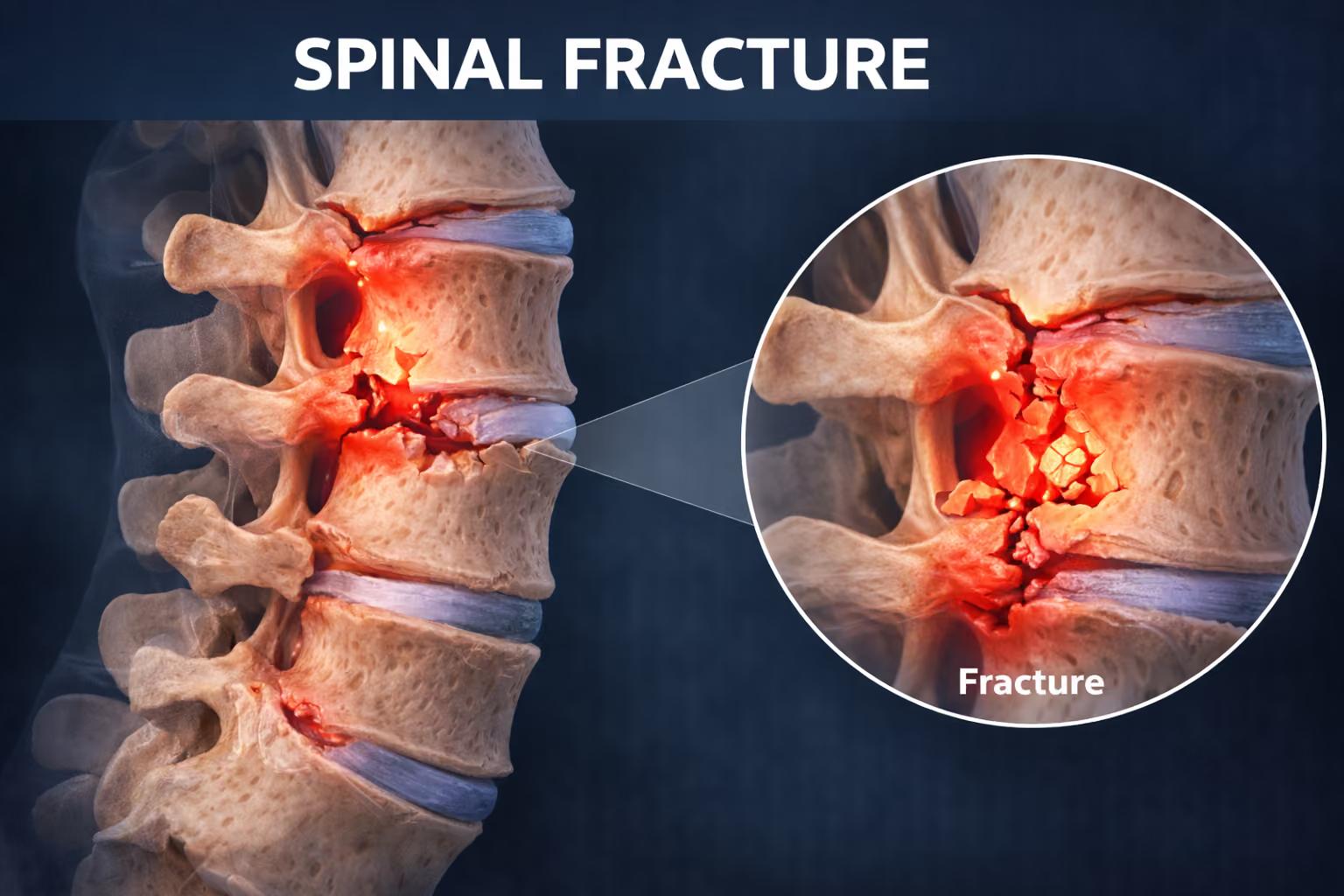
على عكس إجهاد العضلات المعتاد، يسبب كسر العمود الفقري ألمًا موضعيًا وشديدًا يجعل من المستحيل في كثير من الأحيان الوقوف بشكل مستقيم. إذا كنت مصابًا بهشاشة العظام أو تعرضت لسقوط مفاجئ مؤخرًا، فيجب التعامل مع أي ألم مفاجئ في الظهر على أنه كسر محتمل حتى يتم التخلص منه بواسطة التصوير بالرنين المغناطيسي أو الأشعة المقطعية.
You should seek medical attention if pain is severe, persistent, orassociated with numbness, weakness, or injury.
لا يحتاج معظم المرضى إلى إجراء جراحي، حيث أثبتت العلاجات غير الجراحية فعاليتها في كثير من الحالات. إذا كنت تعاني من آلام مستمرة أو شديدة في الظهر، فمن الضروري إجراء فحص مبكر لتجنب أي مضاعفات على المدى الطويل.
احجز موعداً في مستشفى فقيه الجامعي بدبي للحصول على تشخيص دقيق وخطة علاجية مخصصة لحالتك على يد استشاريي العمود الفقري لدينا.


.avif)

.avif)