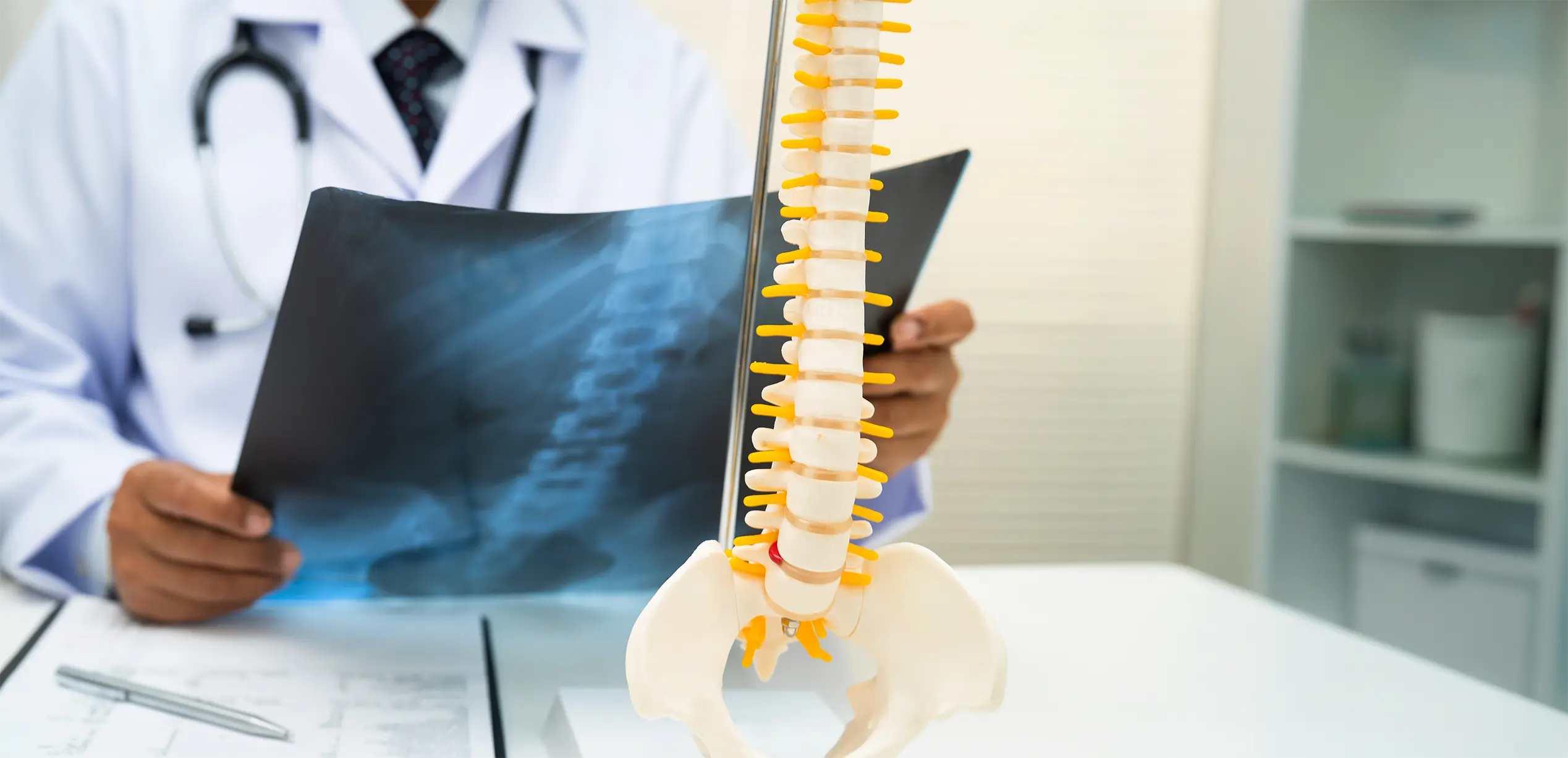
انحلال الفقار وانزلاق الفقار هما حالتان تؤثران على استقرار العمود الفقري، وتحدثان غالباً في الفقرات القطنية (أسفل الظهر). قد تؤدي هاتان الحالتان إلى آلام الظهر، وضغط على الأعصاب، ومحدودية في الحركة، خاصة عند تأثر استقرار الفقرات.
في مستشفى فقيه الجامعي بدبي، يقدم أخصائيو العمود الفقري لدينا تقييماً شاملاً وخطط علاج مخصصة للمرضى الذين يعانون من انحلال الفقار وانزلاق الفقار. ومن خلال استخدام تقنيات التصوير التشخيصي المتقدمة والأساليب الجراحية الحديثة طفيفة التوغل عند الحاجة، نركز على تثبيت العمود الفقري، وتخفيف الضغط عن الأعصاب، واستعادة الوظائف الحركية.
التشخيص المبكر والإدارة السليمة للحالة ضروريان لمنع تفاقمها وتجنب مشاكل العمود الفقري على المدى الطويل.
انحلال الفقار هو كسر إجهادي أو خلل في جزء من الفقرة يُسمى "البارس إنترارتيكولاريس" (pars interarticularis). يربط هذا الهيكل أجزاء مختلفة من الفقرة ويلعب دوراً مهماً في استقرار العمود الفقري.
تؤثر هذه الحالة غالباً على الفقرات القطنية، خاصة لدى المراهقين والرياضيين الشباب الذين يمارسون رياضات تتطلب تكرار تمديد أو التواء العمود الفقري، مثل:
مع مرور الوقت، يمكن أن يؤدي الإجهاد المتكرر إلى حدوث كسر صغير في هذه المنطقة من الفقرة.
لدى بعض الأفراد، قد لا يسبب انحلال الفقار أي أعراض ويتم اكتشافه بالصدفة أثناء إجراء فحوصات التصوير.
يحدث انزلاق الفقار عندما تنزلق فقرة واحدة للأمام فوق الفقرة التي تليها.
قد تتطور هذه الحالة نتيجة لانحلال الفقار، ولكنها قد تحدث أيضاً لأسباب أخرى مثل التغيرات التنكسية، أو الإصابات، أو التشوهات الخلقية في العمود الفقري.
عند حدوث انزلاق فقاري، قد تضيق القناة الشوكية أو فتحات الأعصاب، مما يؤدي إلى ضغط على الأعصاب وظهور أعراض عصبية.
هناك عدة عوامل قد تساهم في تطور هذه الحالات.
غالباً ما يحدث انحلال الفقار بسبب الإجهاد الميكانيكي المتكرر على أسفل العمود الفقري، خاصة لدى الرياضيين الصغار الذين يؤدون حركات تتضمن تمديد أو دوران العمود الفقري.
مع التقدم في العمر، قد يؤدي تنكس الأقراص والمفاصل إلى إضعاف استقرار العمود الفقري. وهذا قد يؤدي إلى انزلاق الفقار التنكسي، وهو الأكثر شيوعاً لدى كبار السن.
يولد بعض الأفراد بتباينات هيكلية في العمود الفقري تجعلهم أكثر عرضة لعيوب الفقرات أو الانزلاق.
قد تؤدي إصابات العمود الفقري الحادة أو الكسور أيضاً إلى عدم استقرار الفقرات أو انزلاقها.
تختلف الأعراض اعتماداً على درجة عدم استقرار العمود الفقري وضغط الأعصاب.
تشمل الأعراض الشائعة ما يلي:
في الحالات الخفيفة، قد لا تسبب هذه الحالات أعراضاً ملحوظة وقد لا يتم اكتشافها إلا أثناء الفحوصات التصويرية.
في مستشفى فقيه الجامعي بدبي، يبدأ التشخيص بتقييم سريري مفصل.
يقوم الطبيب بتقييم الأعراض، وحركية العمود الفقري، والوظيفة العصبية، وقوة العضلات.
قد تساعد اختبارات الفحص البدني المحددة في الكشف عن عدم استقرار العمود الفقري أو انضغاط الأعصاب.
تُستخدم دراسات التصوير لتأكيد التشخيص وتحديد درجة انزلاق الفقرات.
قد تشمل هذه الدراسات:
يعد التصوير الدقيق أمراً ضرورياً لوضع استراتيجية علاجية مناسبة.
يعتمد العلاج على شدة الأعراض، ودرجة انزلاق الفقرات، والقيود الوظيفية للمريض.
يتحسن العديد من المرضى من خلال العلاج التحفظي.
تجنب الأنشطة التي تضع ضغطاً مفرطاً على أسفل الظهر يمكن أن يساعد في تحسين الأعراض ومنع تفاقم الحالة.
يركز العلاج الطبيعي على تقوية عضلات الجذع والعمود الفقري، وتحسين المرونة، وتثبيت فقرات العمود الفقري المتضررة.
في بعض الحالات، لا سيما لدى المرضى الأصغر سناً المصابين بانحلال الفقار، قد يوصى باستخدام دعامة للظهر للحد من الحركة والسماح لكسر الإجهاد بالالتئام.
قد تساعد الأدوية المضادة للالتهابات في تخفيف الألم والالتهاب أثناء فترة التعافي.
قد يوصى بالجراحة في الحالات التالية:
يهدف العلاج الجراحي إلى تخفيف الضغط عن الأعصاب المتضررة وتثبيت العمود الفقري.
تشمل الإجراءات الشائعة ما يلي:
تتيح التقنيات الحديثة طفيفة التوغل إجراء علاج دقيق مع تقليل تضرر الأنسجة وتسريع التعافي.
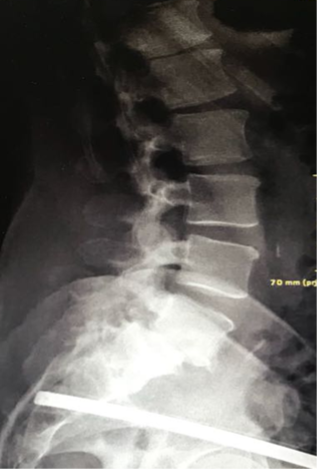

راجعنا مريض يعاني من انحلال الفقار وانزلاق الفقار معاً، وكان يشكو من ألم شديد في الظهر وأعراض انضغاط عصبي.
باستخدام إجراء جراحي مجهري طفيف التوغل لإزالة الضغط والدمج، تم تثبيت فقرات العمود الفقري المتضررة وتخفيف الضغط عن الأعصاب، مما مكن المريض من استعادة حركته والعودة إلى ممارسة أنشطته اليومية بشكل طبيعي.
مع العلاج المناسب، يشهد العديد من المرضى تحسناً ملحوظاً في الألم، والقدرة على الحركة، وجودة الحياة.
يعد التشخيص المبكر والإدارة العلاجية المخصصة لكل حالة أمراً ضرورياً لمنع تفاقم الحالة وحدوث مضاعفات طويلة الأمد.
يوصى بالخضوع لتقييم طبي إذا كنت تعاني من:
قد تشير هذه الأعراض إلى وجود ضغط كبير على الأعصاب، مما يتطلب تقييماً طبياً فورياً.
إذا كنت تعاني من آلام مستمرة في الظهر أو أعراض تشير إلى عدم استقرار العمود الفقري، فإن التقييم المبكر يساعد في تحديد السبب الكامن وتوجيهك نحو العلاج الفعال.
احجز موعدك في مستشفى فقيه الجامعي بدبي للحصول على تشخيص دقيق ورعاية متخصصة للعمود الفقري.


.webp)