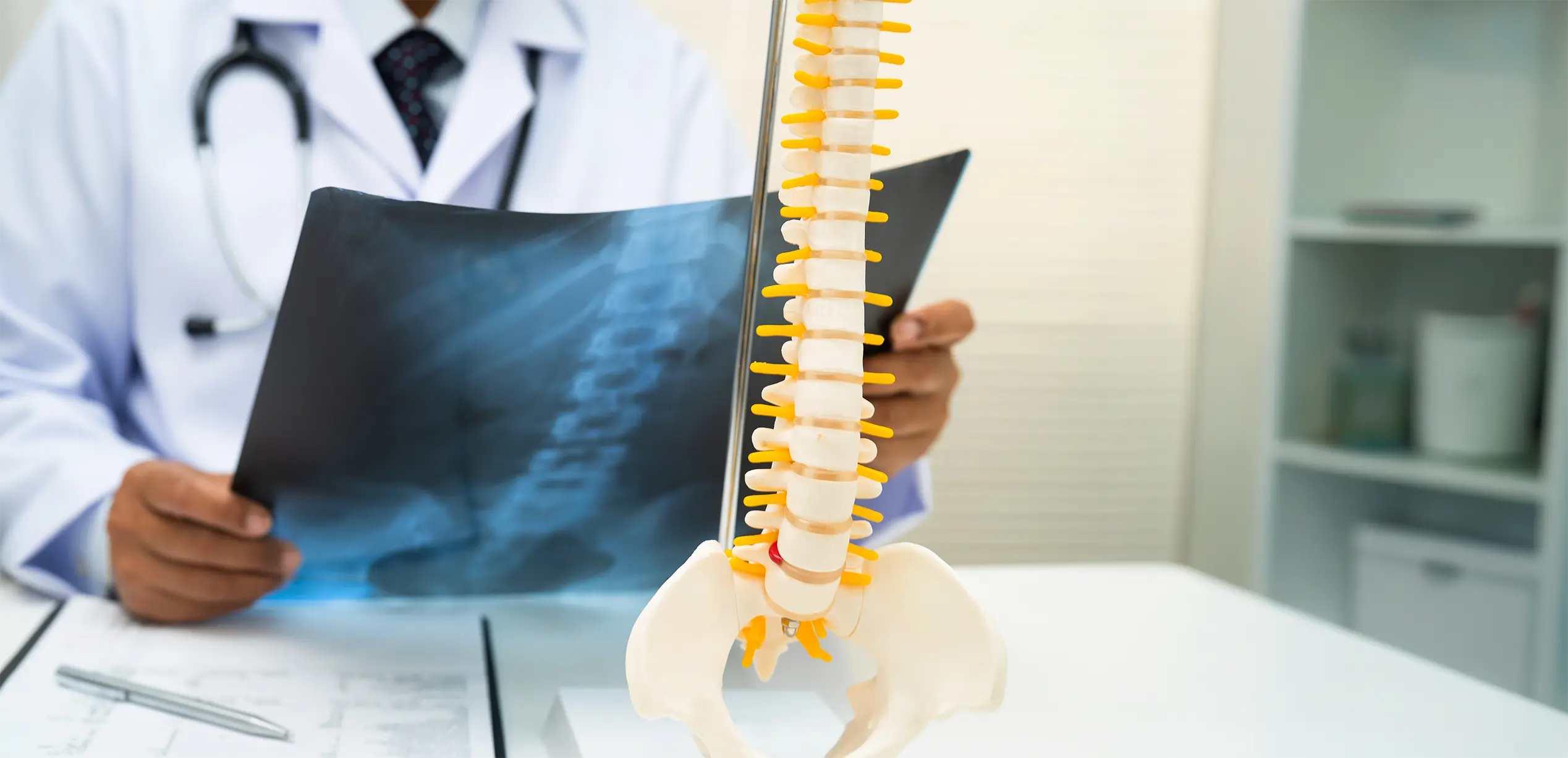
أورام العمود الفقري هي نمو غير طبيعي يحدث داخل أو حول هياكل العمود الفقري. قد تصيب هذه الأورام الحبل الشوكي، أو الفقرات، أو جذور الأعصاب، أو الأنسجة المحيطة. وبناءً على حجمها وموقعها، يمكن أن تسبب أورام العمود الفقري ألماً، وأعراضاً عصبية، وعدم استقرار في العمود الفقري.
في مستشفى فقيه الجامعي بدبي، يقدم استشاريو العمود الفقري لدينا تقييماً شاملاً وخطط علاج مخصصة للمرضى الذين يعانون من أورام العمود الفقري. ومن خلال استخدام تقنيات التصوير المتقدمة، والتخطيط متعدد التخصصات، والأساليب الجراحية الحديثة عند الضرورة، نركز على تخفيف الضغط عن الأعصاب، وتثبيت العمود الفقري، والحفاظ على الوظائف العصبية.
التشخيص المبكر والعلاج المناسب ضروريان لمنع تفاقم الضرر العصبي والحفاظ على جودة الحياة.
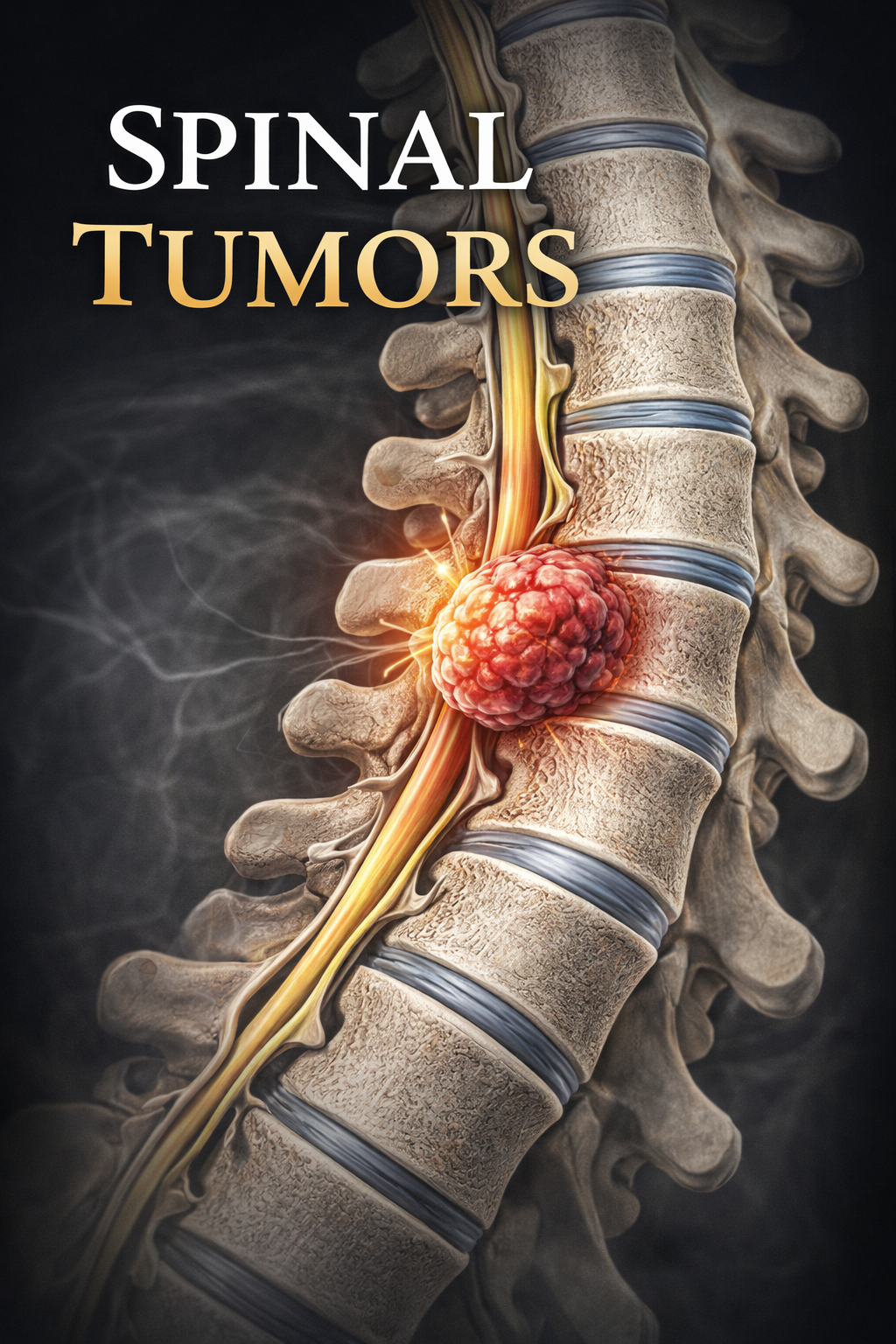
تُصنف أورام العمود الفقري بناءً على منشئها وكيفية تأثيرها على هياكل العمود الفقري.
قد تنشأ الأورام داخل الحبل الشوكي نفسه، أو من الأنسجة المحيطة، أو تنتشر من سرطانات في أجزاء أخرى من الجسم.
على الرغم من أن أورام العمود الفقري الأولية نادرة نسبياً، إلا أن العمود الفقري يعد موقعاً شائعاً للأورام التي تنتشر من أعضاء أخرى.
تنشأ أورام العمود الفقري الأولية داخل العمود الفقري نفسه، وقد تتطور من العظام، أو الأعصاب، أو أنسجة الحبل الشوكي.
هذه الأورام غير شائعة نسبياً ولكنها قد تسبب أعراضاً عصبية كبيرة.
تتطور الأورام داخل النخاع داخل الحبل الشوكي نفسه.
تشمل الأمثلة الشائعة ما يلي:
نظراً لنشأتها داخل الحبل الشوكي، فقد تؤثر على الوظائف العصبية مع نموها.
تنشأ الأورام خارج النخاع الشوكي ولكنها تظل داخل الغشاء الواقي (الأم الجافية) أو تنمو من جذور الأعصاب.
تشمل الأمثلة الشائعة ما يلي:
قد تضغط هذه الأورام على النخاع الشوكي أو جذور الأعصاب وتؤدي إلى ظهور أعراض عصبية.
تعد الأورام النقيلية أكثر شيوعاً بكثير من أورام العمود الفقري الأولية.
تحدث هذه الأورام عندما ينتشر السرطان من جزء آخر من الجسم إلى العمود الفقري. وتشمل أنواع السرطان الأولية الشائعة التي تنتشر إلى العمود الفقري ما يلي:
قد تؤدي الأورام النقيلية إلى إضعاف الفقرات والتسبب في عدم استقرار العمود الفقري أو حدوث كسور.
تعتمد الأعراض على موقع الورم وحجمه وتأثيره على الأعصاب المحيطة أو هياكل النخاع الشوكي.
تشمل الأعراض الشائعة ما يلي:
في الحالات الأكثر تقدماً، قد تسبب الأورام:
تتطلب هذه الأعراض تقييماً طبياً عاجلاً.
في مستشفى فقيه الجامعي بدبي، يتضمن تشخيص أورام العمود الفقري تقييماً سريرياً دقيقاً إلى جانب دراسات تصويرية متقدمة.
يقوم الطبيب بتقييم الأعراض، والوظائف العصبية، وقوة العضلات، واستقرار العمود الفقري.
يساعد هذا في تحديد ما إذا كان الحبل الشوكي أو جذور الأعصاب قد تأثرت.
تعد اختبارات التصوير ضرورية لتحديد وجود وموقع أورام العمود الفقري.
قد تشمل هذه الاختبارات:
في بعض الحالات، قد تكون هناك حاجة لإجراء خزعة لتحديد الطبيعة الدقيقة للورم.
يساعد هذا في توجيه استراتيجية العلاج الأنسب.
يعتمد العلاج على عدة عوامل، بما في ذلك نوع الورم، وموقعه، ومدى عدوانيته، والحالة الصحية العامة للمريض.
غالباً ما يتضمن التدبير العلاجي نهجاً متعدد التخصصات.
الأورام الصغيرة والحميدة وبطيئة النمو التي لا تسبب أعراضاً قد تخضع للمراقبة الدقيقة من خلال التصوير الدوري.
غالباً ما يُنصح بالجراحة في الحالات التالية:
تهدف الجراحة إلى إزالة أكبر قدر ممكن من الورم مع الحفاظ على الوظائف العصبية وتثبيت العمود الفقري إذا لزم الأمر.
راجع مريض يبلغ من العمر 48 عاماً يعاني من آلام مستعصية في الظهر والساق، مصحوبة بشلل حاد في الساق اليسرى. بعد إجراء عملية جراحية طفيفة التوغل تضمنت تخفيف الضغط المجهري، واستئصال الورم، وإعادة بناء العمود الفقري، زال الألم لدى المريض وتعافى من الشلل تماماً. خرج المريض من المستشفى في اليوم الثاني عشر بعد الجراحة، وكان قادراً على المشي بشكل مستقل دون مساعدة.
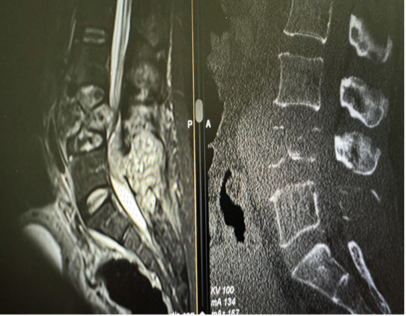
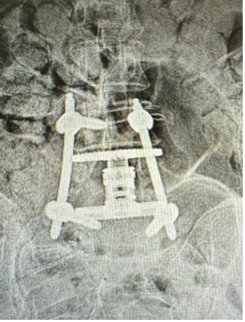
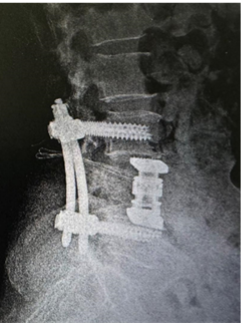
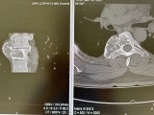
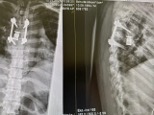
راجع مريض يبلغ من العمر 40 عاماً من ألمانيا يعاني من ألم شديد في أعلى الظهر، مع تاريخ مرضي معروف بخلل التنسج الليفي. كشفت دراسات التصوير عن وجود ورم كبير يشمل الفقرة الصدرية الرابعة (T4). بعد تخطيط دقيق قبل الجراحة، خضع المريض لعملية تثبيت طفيفة التوغل للعمود الفقري الصدري تلاها استئصال للورم. تم إجراء العملية باستخدام نهج طفيف التوغل للحفاظ على الأنسجة المحيطة مع تحقيق استقرار كافٍ للعمود الفقري وإزالة الورم بالكامل.
قد يُستخدم العلاج الإشعاعي لتقليص حجم الأورام أو القضاء على الخلايا السرطانية، لا سيما في حالات الأورام النقيلية أو التي يتعذر استئصالها جراحياً.
بالنسبة لبعض الأورام الخبيثة، قد يُستخدم العلاج الكيميائي للقضاء على الخلايا السرطانية، خاصة عندما يكون ورم العمود الفقري جزءاً من مرض سرطاني جهازي.
تُستخدم العلاجات الحديثة، مثل العلاج المناعي والعلاجات الجزيئية الموجهة، بشكل متزايد لأنواع معينة من الأورام.
تهدف هذه العلاجات إلى استهداف الخلايا السرطانية بدقة أكبر مع تقليل الضرر الذي قد يلحق بالأنسجة السليمة.
تختلف التوقعات العلاجية لأورام العمود الفقري بناءً على نوع الورم وموقعه ومدى سرعة تشخيصه.
يساهم التقييم المبكر والعلاج المناسب في تحسين النتائج بشكل كبير ويساعد في الحفاظ على الوظائف العصبية.
يجب عليك طلب التقييم الطبي إذا كنت تعاني من:
قد تشير هذه الأعراض إلى وجود ضغط على الحبل الشوكي أو الأعصاب، وتتطلب تقييماً طبياً فورياً.
إذا كنت تعاني من آلام مستمرة في العمود الفقري أو أعراض عصبية، فإن التقييم المبكر يساعد في تحديد السبب الكامن وتوجيهك نحو العلاج المناسب.
احجز موعدك في مستشفى فقيه الجامعي بدبي للحصول على تشخيص دقيق ورعاية متخصصة ومخصصة للعمود الفقري.


.webp)