

A child fasting for the first time during Ramadan is often a special and memorable moment for families. Parents feel proud, and children feel excited as they take their first steps toward understanding the spiritual and cultural traditions of Ramadan.
However, behind this joyful experience, a child’s health must always remain the top priority. While fasting can be a beautiful spiritual and educational experience, it must be approached with medical awareness, considering the importance of growth years and children’s increasing need for energy and hydration.
So when is a child ready to fast? And how can fasting be introduced in a way that supports their health and development?
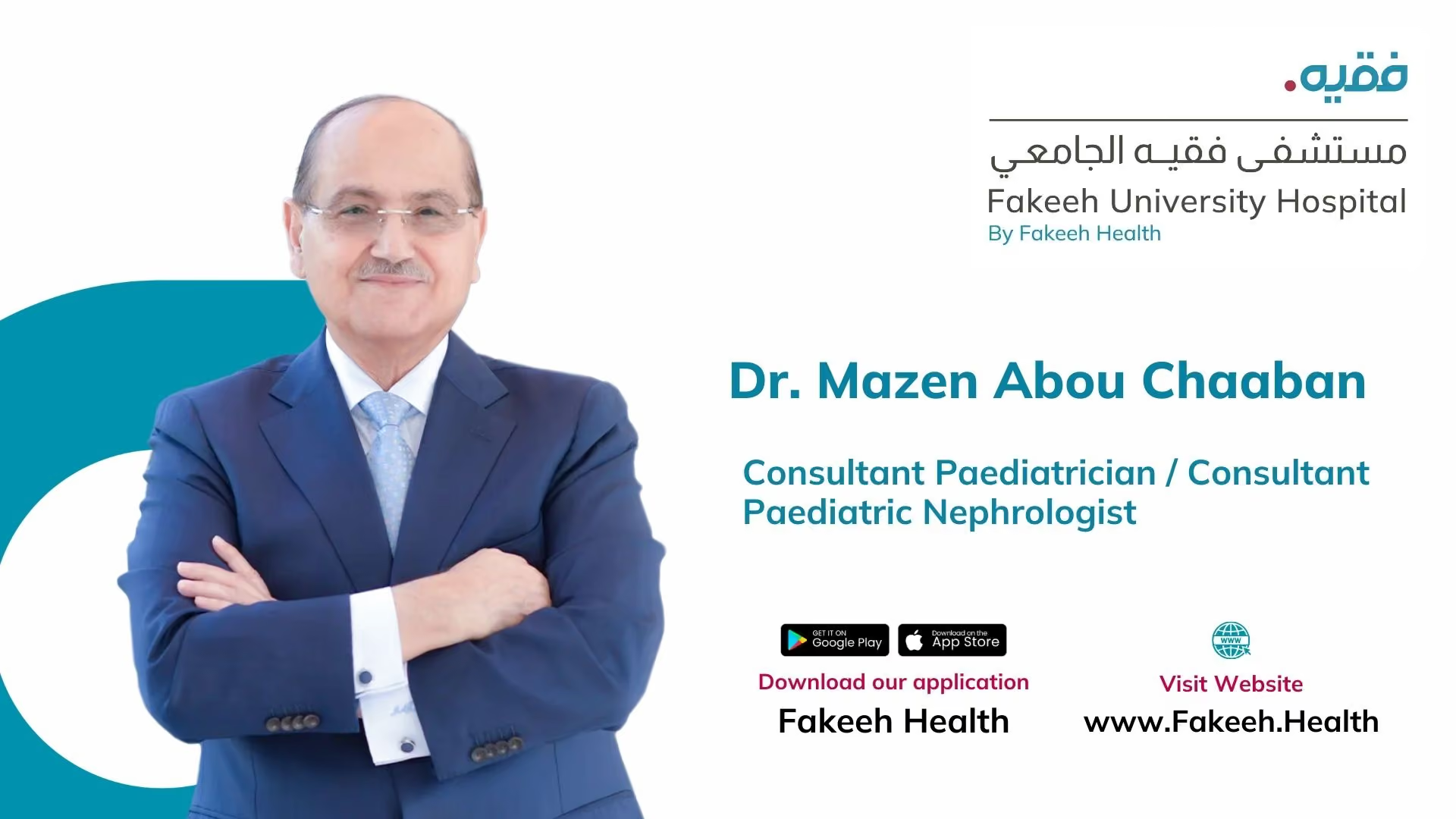
Dr. Mazen Abou Chaaban, Consultant Pediatrician and Pediatric Nephrologist at Fakeeh University Hospital, explains that fasting for children is very different from fasting for adults.
A child’s body is still in a continuous stage of growth and development, including the formation of bones, muscles, brain, and kidney function. Any shortage in nutrition or fluids can quickly affect their energy levels, concentration, and balance of fluids and electrolytes.
For this reason, it is especially important to protect children from dehydration, as their kidneys are more sensitive to sudden changes in fluid intake.
Parents should monitor for symptoms that may indicate dehydration during fasting, including:
Because of these risks, children should not begin fasting with a full-day fast suddenly in their first year.
Readiness for fasting is not determined by a specific age, but rather by several health and developmental factors, including:
According to Dr. Mazen, the best approach is gradual fasting, allowing the child’s body to adapt safely.
In the first year of fasting, children should begin by fasting for half a day or until midday, then gradually increase the duration depending on their tolerance and physical condition.
This gradual method gives the body time to adjust and helps reduce the risk of low blood sugar, fatigue, or dehydration.
Parents play an essential role in ensuring that fasting is a positive and healthy experience for children. Providing balanced meals at suhoor and iftar, ensuring proper hydration, and monitoring energy levels can help children enjoy Ramadan while maintaining their health.
Our pediatric specialists are committed to supporting families with expert medical advice to ensure that children experience Ramadan safely and healthily.
Read More...

