During the holy month of Ramadan, meal patterns often change significantly. Iftar gatherings commonly include rich, fatty foods and desserts, which can differ from the usual daily diet.
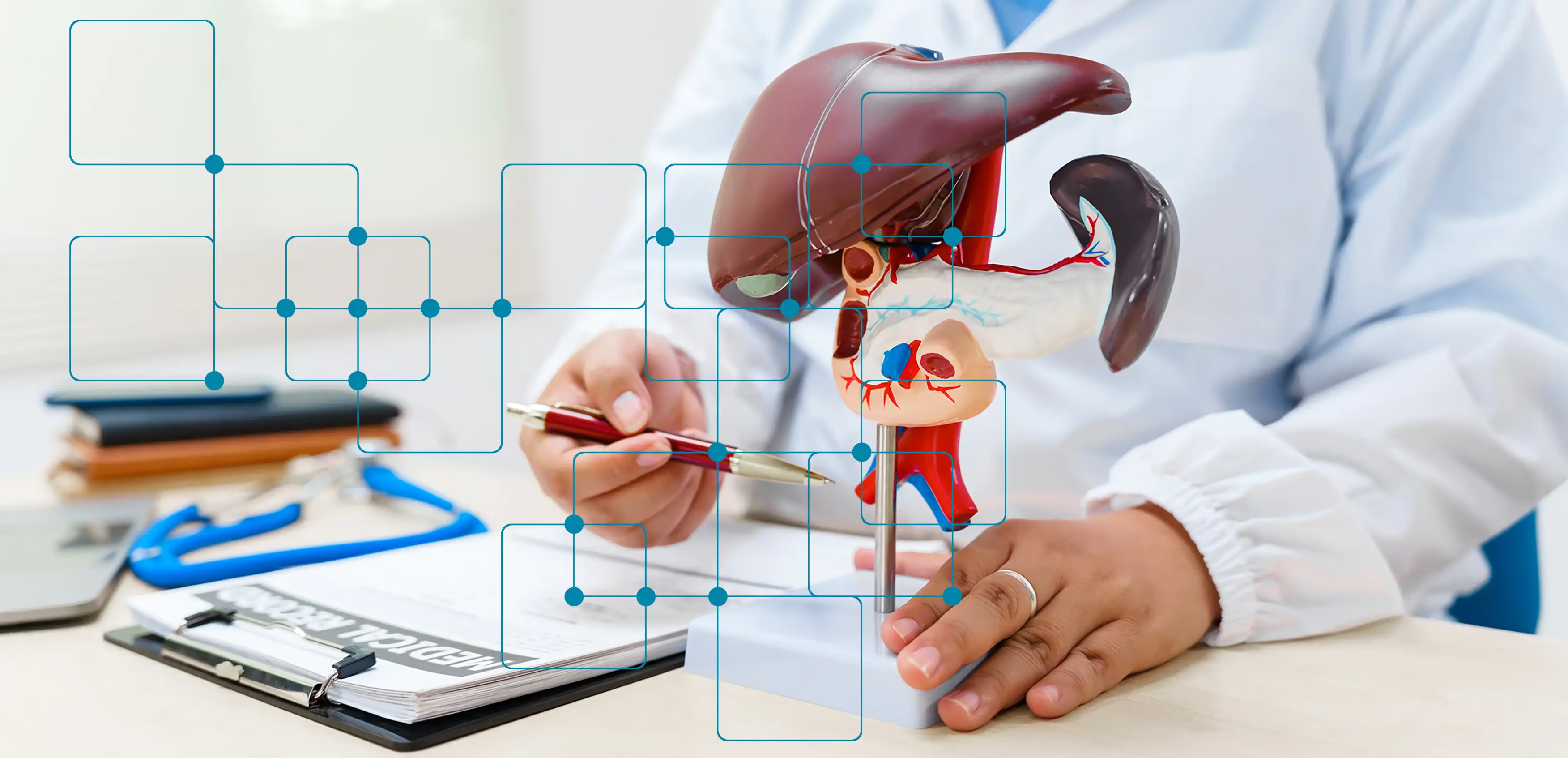
During the long fasting hours, the gallbladder remains relatively inactive. However, when a person suddenly consumes a heavy or fatty meal at iftar, the gallbladder is strongly stimulated to release bile. This sudden stimulation may trigger gallstone symptoms, especially in individuals who already have gallstones or are prone to developing them.
Dr. Haicam El Mourad, Specialist in General Surgery at Fakeeh University Hospital, shares five essential tips to help prevent gallstone attacks during Ramadan.

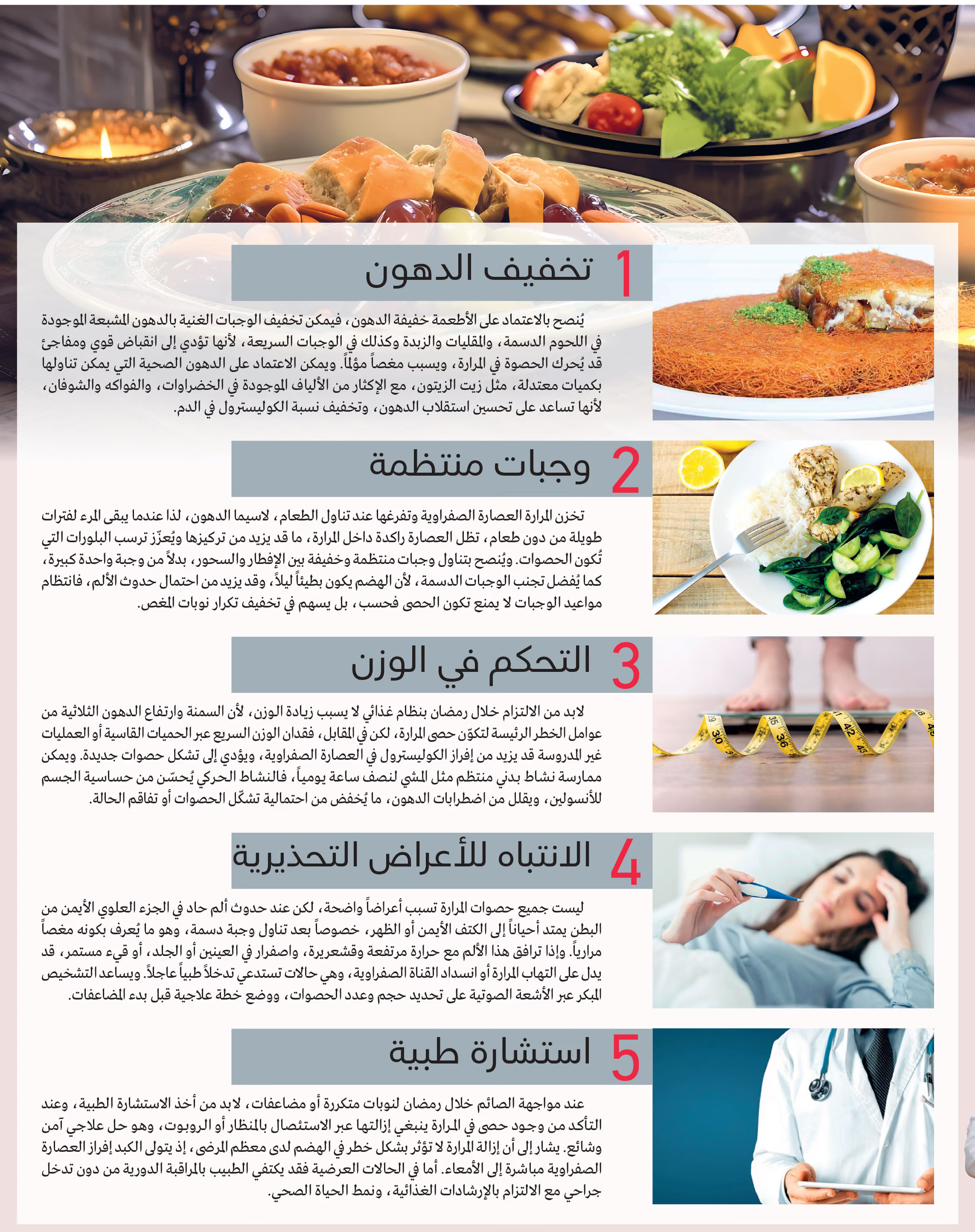
Fatty and fried foods can stimulate the gallbladder intensely, increasing the likelihood of pain or gallstone attacks. It is advisable to limit foods rich in saturated fats and choose healthier cooking methods such as grilling or baking.
Instead of eating large portions immediately at iftar, it is better to start with light foods such as dates, soup, or salad. This allows the digestive system and gallbladder to adjust gradually.
Dividing food intake between iftar and suhoor into smaller meals helps reduce pressure on the gallbladder and supports smoother digestion.
Drinking adequate amounts of water between iftar and suhoor helps maintain proper digestion and may reduce the risk of gallstone-related complications.
If symptoms such as severe abdominal pain, nausea, vomiting, or pain after fatty meals occur, it is important to seek medical advice promptly to prevent complications.
For many patients with gallstones, fasting during Ramadan can still be possible with proper dietary habits and medical guidance. Maintaining a balanced diet and avoiding heavy meals can significantly reduce the risk of gallbladder attacks.
At Fakeeh University Hospital, our specialists provide comprehensive diagnosis and treatment options for gallbladder conditions to help patients stay healthy during Ramadan and throughout the year.