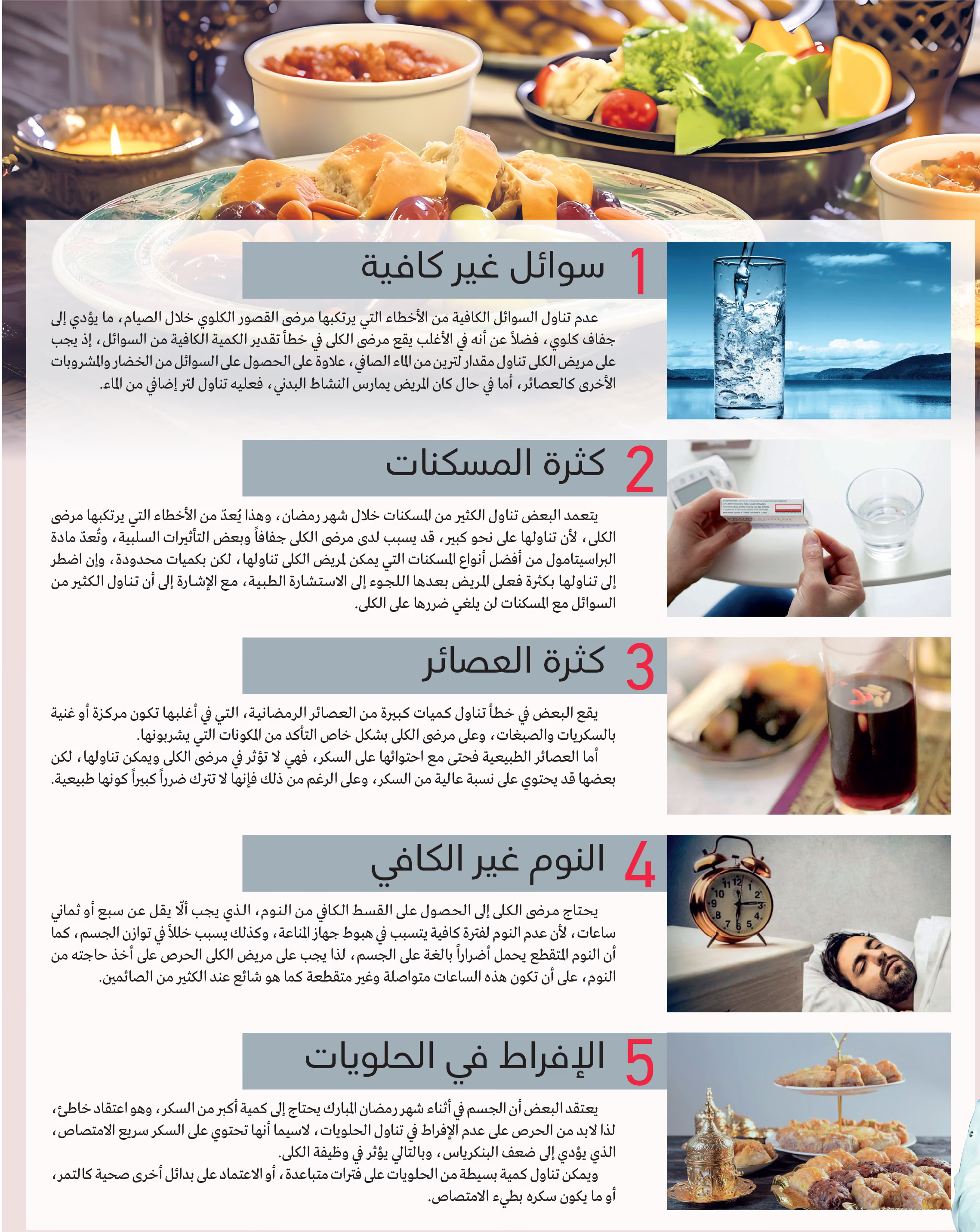
During the holy month of Ramadan, many patients with kidney disease wish to observe fasting. However, this decision should always begin with a proper medical evaluation, as fasting can affect the balance of fluids and electrolytes in the body, placing additional strain on the kidneys.
Some patients who choose to fast may unintentionally make certain mistakes that can worsen their condition without realizing the potential risks.
Dr. Khaled Mahmoud Mzayen, Consultant Nephrologist at Fakeeh University Hospital, highlights five common mistakes kidney patients make during Ramadan and explains how they can be avoided to ensure safer fasting.
One of the most common mistakes is deciding to fast without consulting a doctor. Kidney disease varies in severity, and fasting may not be safe for every patient. A physician can evaluate kidney function and determine whether fasting is medically advisable.
Inadequate fluid intake between iftar and suhoor can lead to dehydration, which places significant stress on the kidneys. Patients should aim to drink sufficient water throughout non-fasting hours to maintain proper hydration.
High-sodium foods such as processed meals, pickles, and salty snacks can increase thirst and cause fluid imbalance. Limiting salt intake is essential to help maintain kidney function during fasting.
Skipping suhoor increases the risk of dehydration and fatigue during the day. A balanced suhoor meal containing complex carbohydrates, protein, and healthy fluids helps support the body during fasting hours.
Symptoms such as extreme fatigue, dizziness, swelling, decreased urine output, or nausea should never be ignored. If these symptoms occur, it is important to break the fast and seek medical advice immediately.
For some kidney patients, fasting during Ramadan may still be possible with careful planning, medical supervision, and healthy lifestyle habits. Proper hydration, balanced nutrition, and regular monitoring can help protect kidney health during the fasting period.
At Fakeeh University Hospital, our nephrology specialists provide comprehensive care and personalized guidance to help patients manage kidney disease safely during Ramadan and throughout the year.
Read More...