During the holy month of Ramadan, daily routines often change significantly—from sleep schedules to meal timings. These sudden lifestyle adjustments require the body to undergo a biological adaptation, which may lead some people to experience stress, irritability, or mood swings during fasting hours.
Several factors contribute to these mood changes. Among the most common are the sudden withdrawal from stimulants such as caffeine, changes in dietary patterns, and lower blood sugar levels during fasting hours. These physiological changes can affect emotional balance and increase feelings of fatigue, discomfort, or irritability for some individuals.
Dr. Mansour Assaf, Consultant Psychiatrist at Fakeeh University Hospital, shares several helpful recommendations to reduce mood swings and maintain emotional wellbeing during Ramadan fasting.

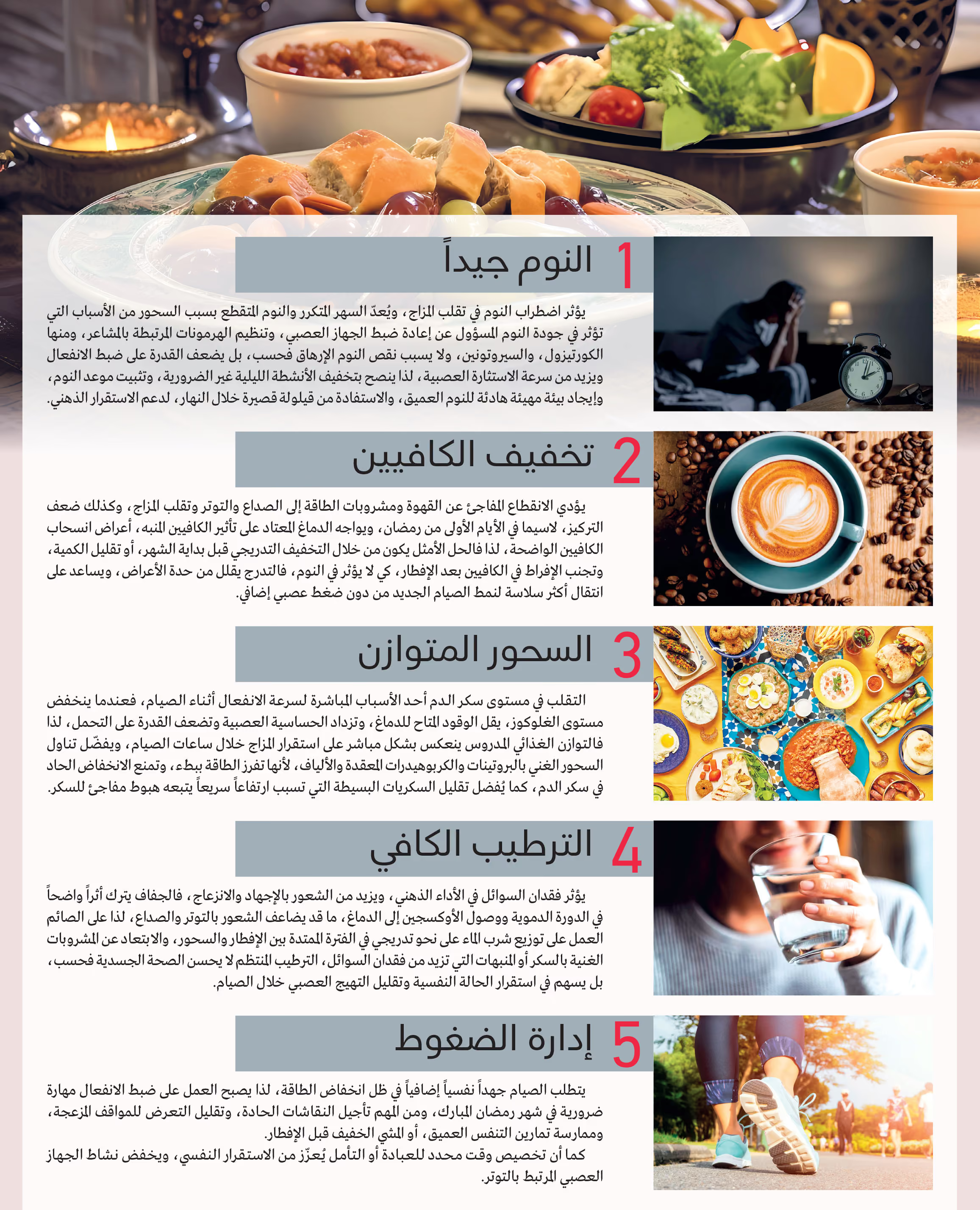
Eating balanced meals during Iftar and Suhoor helps stabilize blood sugar levels throughout the day. Meals should include complex carbohydrates, protein, healthy fats, and fiber-rich foods such as fruits and vegetables. This helps sustain energy levels and reduces sudden mood fluctuations.
Dehydration can increase fatigue and irritability. It is important to drink adequate amounts of water during non-fasting hours to maintain proper hydration and support overall mental and physical wellbeing.
Suddenly stopping caffeine consumption may lead to headaches, irritability, and mood disturbances. Gradually reducing caffeine intake before Ramadan can help the body adapt more smoothly and minimize withdrawal symptoms during fasting.
Changes in sleep schedules during Ramadan can affect mood and mental clarity. Ensuring sufficient sleep and maintaining a consistent sleep routine can significantly help stabilize mood and improve overall wellbeing.
Engaging in light physical activity, relaxation techniques, or spiritual practices during Ramadan can help reduce stress and improve emotional balance. Activities such as walking, meditation, or reading can help maintain a calm and positive mindset.
While mood fluctuations during fasting can occur, they are often temporary and improve as the body adjusts to the new routine. Maintaining a healthy lifestyle, balanced nutrition, and adequate hydration can significantly support both physical and mental health during Ramadan.
If mood changes become severe or persist for extended periods, consulting a healthcare professional is recommended.
Fakeeh University Hospital, our specialists are committed to supporting both physical and mental wellbeing during Ramadan and throughout the year.
Read More:
emaratalyoum