

As residents across the UAE observe Ramadan 2026, many experience headaches, fatigue, and low energy levels during the first week of fasting. While these symptoms are common as the body adapts, healthcare experts at Fakeeh University Hospital Dubai emphasize that the bigger health risk often begins after sunset — when heavy meals and sugary desserts can undo the metabolic benefits of a full day of fasting.
During Ramadan, the body undergoes significant metabolic adjustments due to changes in eating and sleeping patterns. After long hours without food or water, blood sugar levels become more sensitive, making Iftar food choices critically important.
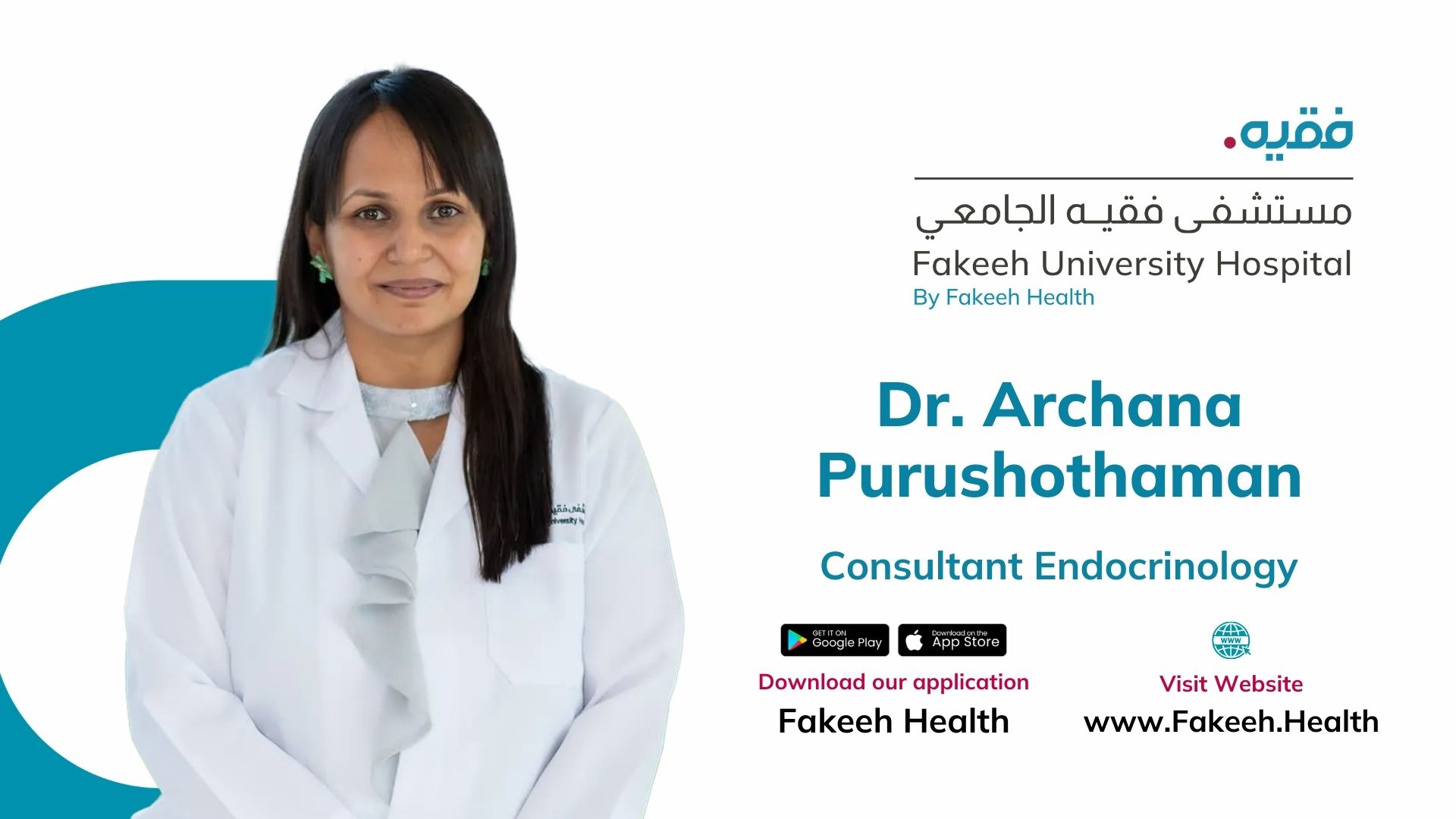
“In the first few days, the body is still adapting to prolonged fasting,” explains Dr. Archana Purushothaman, Specialist in Endocrinology, Diabetes, and Metabolism at Fakeeh University Hospital Dubai.
“Blood sugar levels decline during the day, and hormones regulating energy adjust to a new rhythm. Sudden spikes caused by overeating or excessive sugar intake can place additional stress on the body.”
After fasting for 12–14 hours, many people naturally crave:
However, these choices can cause:
For individuals with diabetes, prediabetes, obesity, or metabolic syndrome, poor Iftar choices can significantly affect glucose control and overall health.
Experts recommend a balanced and gradual approach to Iftar:
Break your fast with water and 1–2 dates to gently restore blood sugar levels.
Eggs, lean meat, yogurt, or legumes help stabilize blood sugar and prolong satiety.
Whole grains, vegetables, and fruits slow digestion and prevent sugar spikes.
Limit desserts and sugary beverages that cause metabolic stress.
Drink water steadily between Iftar and Suhoor rather than consuming large amounts at once.
Fasting can offer metabolic benefits when done correctly. However, the protective effects of fasting may be lost if Iftar becomes excessive or unbalanced.
Healthy Iftar habits can:
Ramadan is an opportunity for spiritual renewal and physical reset. With mindful eating, balanced meals, and proper hydration, fasting can support overall well-being.
If you experience persistent fatigue, headaches, unstable blood sugar levels, or digestive issues during Ramadan, consulting a specialist is recommended.
Fakeeh University Hospital Dubai, our endocrinology and metabolic health specialists provide personalized guidance to help you fast safely and maintain optimal health throughout Ramadan.

