Hemophilia is an inherited bleeding disorder caused by deficiency of specific clotting factors, resulting in impaired blood clot formation and prolonged bleeding.
The two main types are:
Both conditions are usually inherited in an X-linked pattern and pre dominantly affect males, although females can also experience clinically significant bleeding symptoms.
Hemophilia can range from mild to severe, depending on the level of clotting factor activity.
Symptoms vary depending on the underlying disorder and its severity. Common warning signs include:
Severe headache, repeated vomiting following head trauma, or unusual drowsiness in a child with suspected hemophilia requires immediate emergency assessment.

An abnormal coagulation profile does not necessarily mean that a child has hemophilia. Accurate interpretation of blood clotting tests is essential for identifying the underlying cause.
PT evaluates the extrinsic and common coagulation pathways. Prolonged PT may be associated with vitamin K deficiency, liver disease, factor VII deficiency, or other coagulation abnormalities.
aPTT evaluates the intrinsic and common coagulation pathways. In classic hemophilia A and B, the typical laboratory findings are
However, mild hemophilia may occasionally be associated with a normal aPTT, so specific factor assays may still be necessary when clinical suspicion is high.
Prolonged aPTT may also occur in von Willebrand disease, factor XI deficiency, lupus anticoagulant, and other conditions.
Prolongation of both PT and aPTT may indicate vitamin K deficiency, liver dysfunction, disseminated intravascular coagulation (DIC), or common pathway factor deficiencies.
A mixing study can help distinguish between coagulation factor deficiency and the presence of an inhibitor.
Diagnosis requires a detailed bleeding history, family history, clinical examination, and appropriate laboratory investigations.
Depending on the clinical presentation, investigations may include
Other important pediatric bleeding disorders include von Willebrand disease, platelet function disorders, factor XI deficiency, and factor XIII deficiency.
Importantly, normal PT and aPTT do not exclude all inherited bleeding disorders.

The main goal of treatment is to prevent bleeding episodes, protect joint health, and support normal growth and quality of life.
Treatment depends on the type and severity of hemophilia and may include:
A specialist assessment is recommended if your child has unexplained bruising, recurrent bleeding, prolonged PT or aPTT, suspected clotting factor deficiency, or a family history of inherited bleeding disorders.
Early diagnosis is essential to prevent complications and establish an appropriate treatment plan.
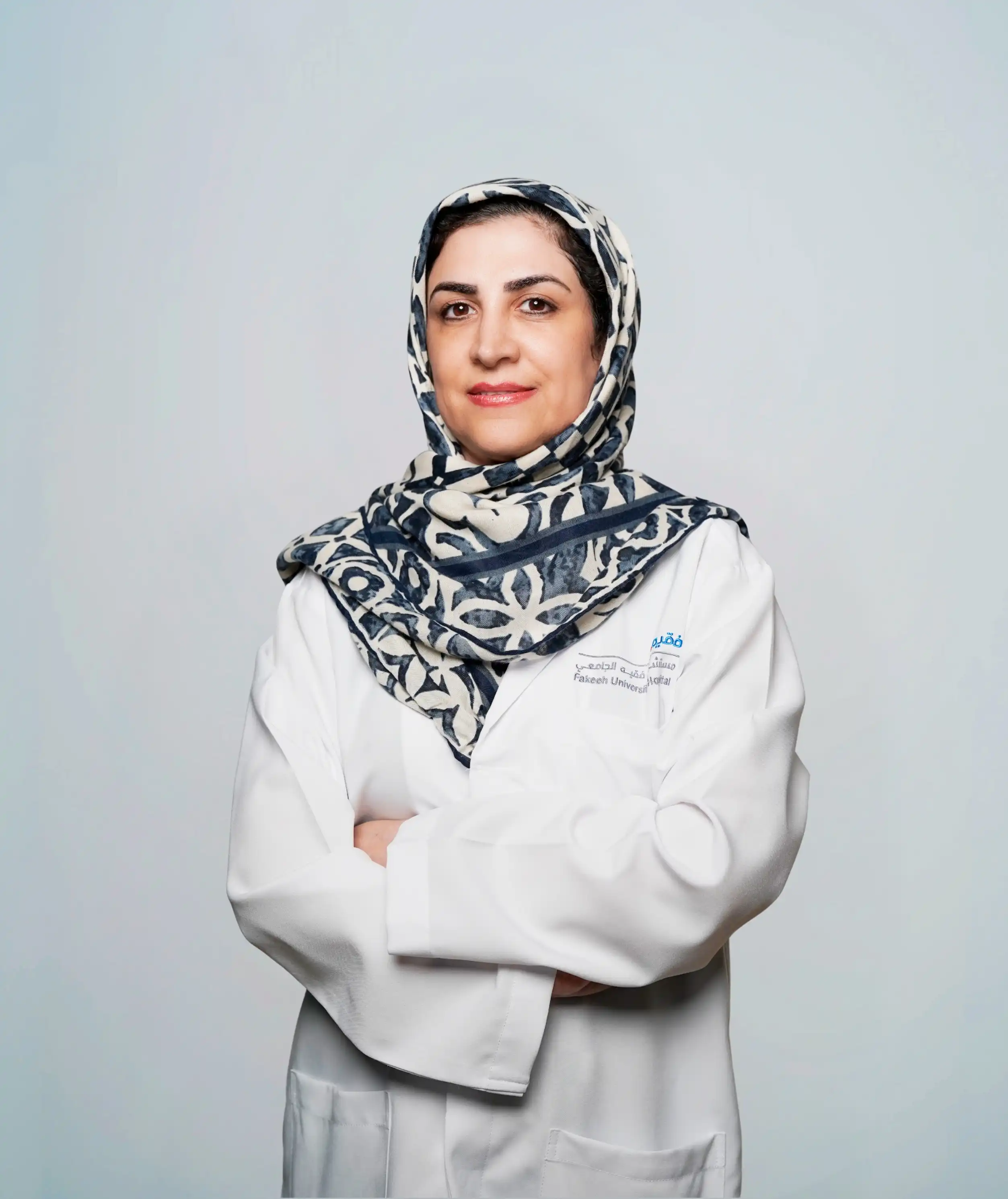
Dr. Neda Ashayeri, Pediatric Hematologist - Oncologist at Fakeeh University Hospital, Dubai, provides clinical assessment and management of pediatric hematological conditions, including:
If your child has recurrent bleeding, unexplained bruising, or abnormal coagulation test results, a pediatric hematology consultation can help identify the underlying condition and guide appropriate management.
Book your consultation with Dr. Neda Ashayeri, Specialist Pediatric Hematology / Oncology at Fakeeh University Hospital.
📞 04 414 4444 🔗 https://www.fuh.care/doctor/dr-neda-ashayeri