During the holy month of Ramadan, daily eating habits change significantly. Instead of multiple meals throughout the day, the body adapts to two main meals — iftar and suhoor — separated by long fasting hours.
For many people, this sudden shift in routine may lead to overeating, consuming fatty foods, and indulging in sweets, which can cause digestive discomfort. As a result, indigestion becomes one of the most common health complaints during Ramadan.
According to Dr. Hakam Al-Balas, Consultant Gastroenterologist at Fakeeh University Hospital, following a few simple dietary and lifestyle adjustments can help reduce indigestion and improve digestive health during fasting.
Below are five important guidelines to help prevent indigestion during Ramadan.
.avif)
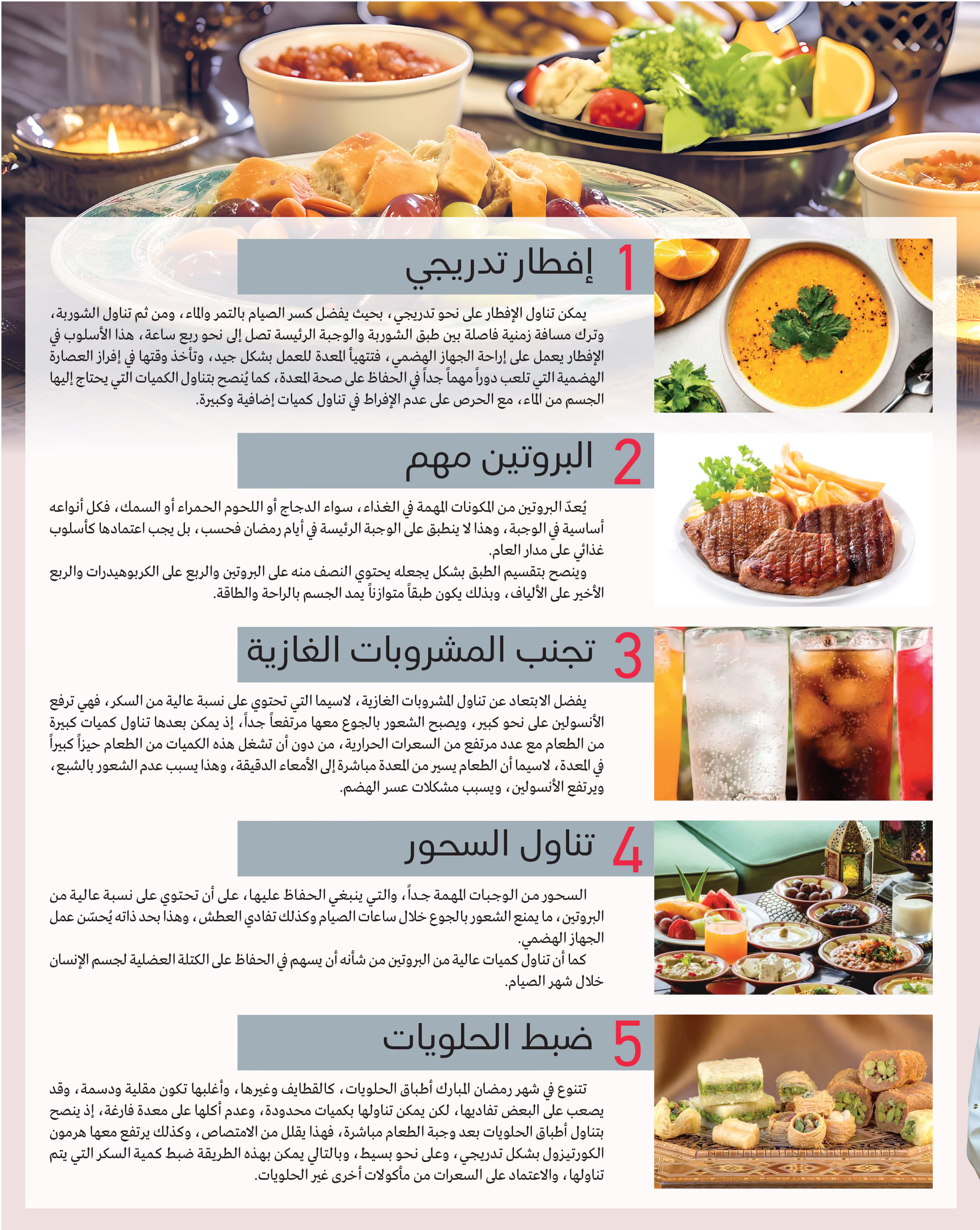
After long hours of fasting, the digestive system needs time to adjust. Instead of eating large portions immediately, start iftar with light foods such as dates, soup, or salad.
This approach helps the stomach prepare for digestion and reduces the risk of bloating and stomach discomfort.
Heavy meals rich in fats, fried foods, and rich desserts can slow digestion and increase the likelihood of indigestion and acid reflux.
Choosing grilled, baked, or steamed foods is a healthier option that supports better digestion during Ramadan.
Eating too quickly or consuming large portions at once can overwhelm the digestive system. It is important to eat slowly, chew food properly, and avoid overeating.
Balanced meals with moderate portions can help maintain digestive comfort throughout the evening.
Drinking sufficient water between iftar and suhoor is essential for proper digestion. Adequate hydration helps the body process food more efficiently and reduces the risk of bloating and constipation.
Avoid excessive caffeinated drinks such as coffee and tea, as they may contribute to dehydration.
Going to bed immediately after a heavy meal can worsen indigestion and increase acid reflux symptoms.
It is recommended to wait at least two to three hours after eating before sleeping, allowing the digestive system enough time to process food properly.
Ramadan is a time for spiritual reflection and healthy lifestyle habits. By maintaining balanced nutrition, proper hydration, and mindful eating, many common digestive problems such as indigestion can be avoided.
Fakeeh University Hospital, our gastroenterology specialists provide expert care and guidance to help patients maintain optimal digestive health during Ramadan and throughout the year.
If you experience persistent indigestion, acid reflux, or digestive discomfort, consult a gastroenterology specialist for proper evaluation and treatment.