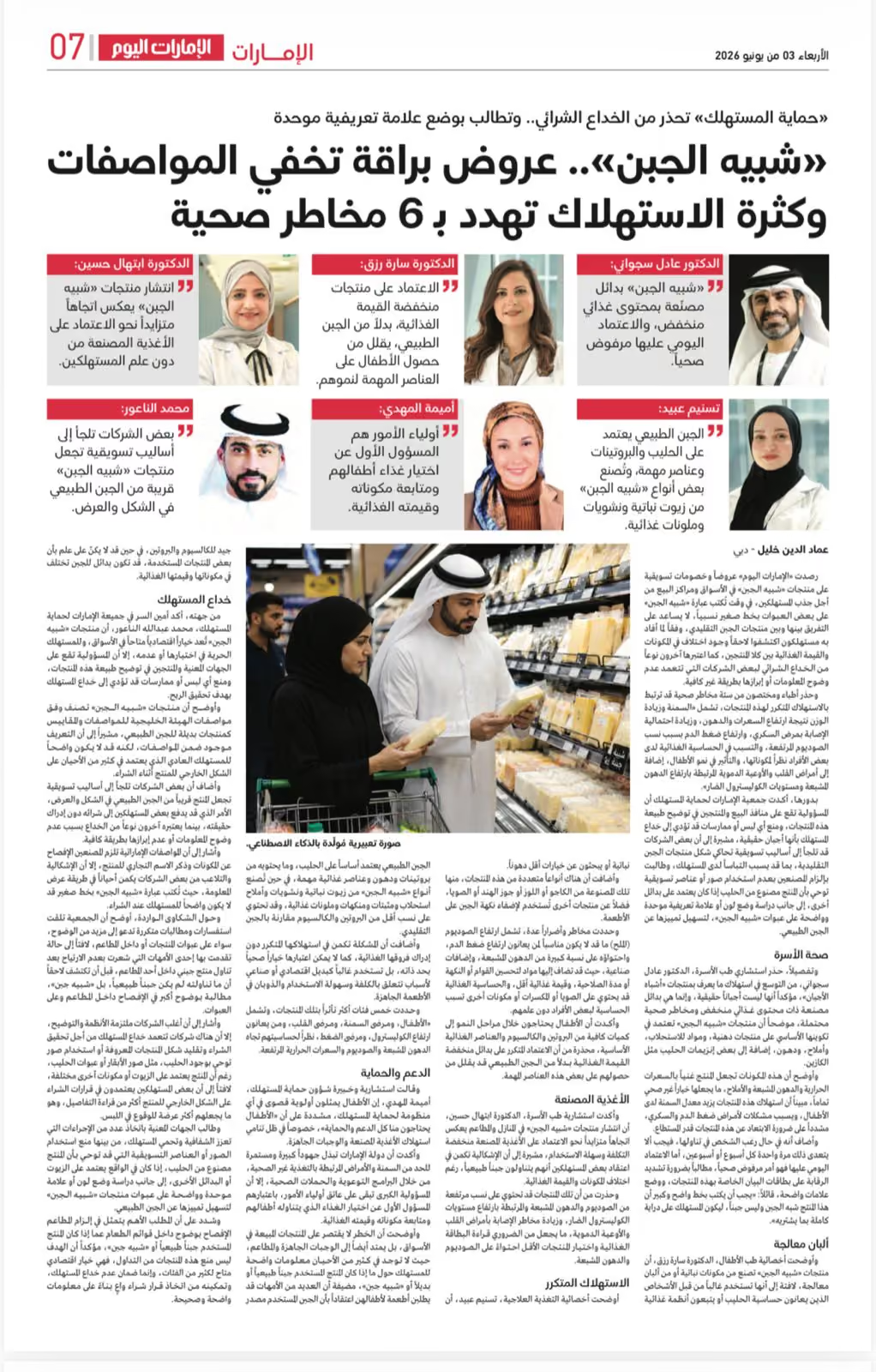
Walk through the dairy aisle of any supermarket in the UAE today — and the shelves tell a compelling story. Brightly packaged, attractively priced, and prominently displayed, products labelled as "cheese-like" have become a familiar and increasingly common fixture in homes, restaurants, and cafeterias across the country.
But beneath the dazzling offers and familiar-looking packaging lies a nutritional reality that many consumers — particularly parents — are entirely unaware of.
The phrase "cheese-like" is often printed in small text on packaging, easily overlooked in the rush of everyday shopping. Many consumers purchase these products believing they are buying natural cheese — unaware of the significant difference in ingredients, nutritional value, and potential health consequences, particularly when consumed frequently.
Doctors, specialists, and consumer protection experts in the UAE have raised growing concerns — warning that frequent consumption of these products carries six documented health risks, and calling for greater transparency in labelling and marketing.
Here is what you need to know.
"Cheese-like" products — also known as cheese substitutes or cheese imitations — are not real cheese. They are manufactured alternatives that mimic the appearance, texture, and taste of natural cheese, but are made from a fundamentally different set of ingredients.
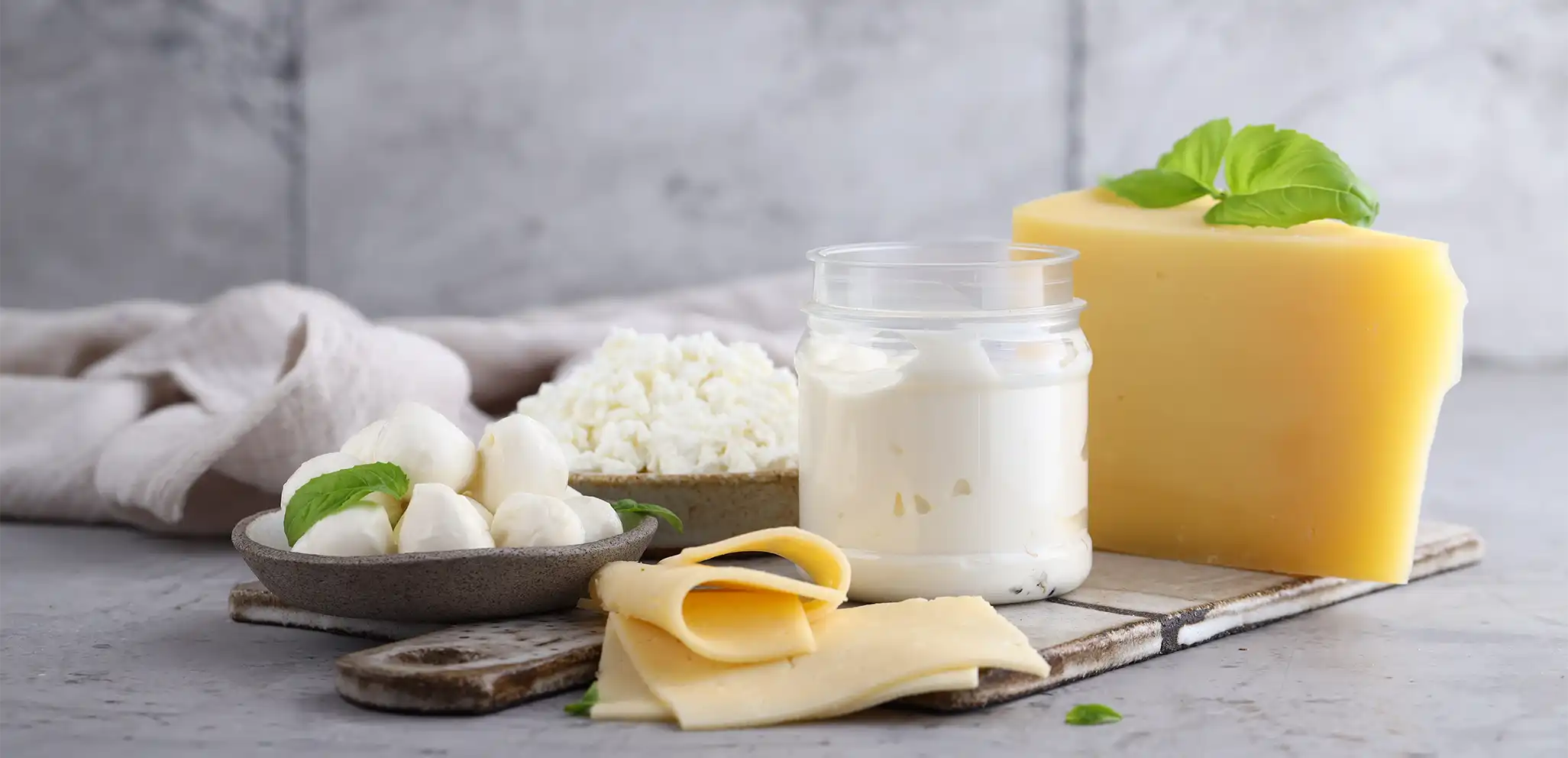
Natural cheese is produced from milk through a process of fermentation and aging — retaining the proteins, calcium, fats, and nutrients naturally present in dairy.
"Cheese-like" products, by contrast, are typically composed of:
As Dr. Sarah Rizk, Paediatrician, explains: "Cheese-like products are made from plant-based ingredients or processed milk. They are often used by people who are allergic to milk, follow vegetarian diets, or are looking for lower-fat options — but they carry important nutritional differences that consumers must understand."
Clinical Nutritionist Tasneem Obaid adds: "The problem lies in their frequent consumption without realising their nutritional differences. They cannot be considered a healthy option in themselves, but are often used as an economical or industrial alternative for reasons related to cost, ease of use, and solubility in ready-made foods."
Medical experts and nutritionists in the UAE have identified six significant health risks associated with the regular consumption of cheese-like products:
Cheese-like products are typically high in calories and saturated fats — making them a significant contributor to weight gain when consumed regularly. Unlike natural cheese — which provides protein and calcium that support satiety and metabolic function — cheese substitutes offer caloric density with considerably lower nutritional value.
This risk is particularly concerning for children, whose dietary habits and metabolic patterns are still developing.
The high calorie content, saturated fat load, and refined carbohydrate components present in many cheese-like products contribute to insulin resistance over time — increasing the risk of developing type 2 diabetes, particularly in individuals with an already elevated metabolic risk.
One of the most consistent concerns raised by health professionals is the very high sodium (salt) content found in many cheese-like products.
Dr. Ibtihal Hussein, Family Medicine Consultant, warns: "These products may contain high levels of sodium and saturated fat, which are linked to high levels of bad cholesterol and an increased risk of cardiovascular disease. It is essential to read the nutrition label and choose products that are lower in sodium and saturated fat."
Excessive sodium intake is a well-established driver of hypertension — one of the leading risk factors for stroke and heart disease.
Many cheese-like products contain allergens that consumers may not expect — including soy, tree nuts (cashews, almonds), coconut, and other ingredients commonly used as dairy alternatives.
For individuals with unknown or undiagnosed food allergies — particularly children — consuming these products without awareness of their true ingredients poses a real and preventable health risk.
This is perhaps the most critical concern raised by our experts — and the one that demands the greatest attention from parents.
Dr. Sarah Rizk explains: "Children need sufficient amounts of protein, calcium, and essential nutrients during their growth stages. Frequent reliance on low-nutritional-value alternatives instead of natural cheese may reduce their access to some of these important elements."
Natural cheese is a valuable source of:
Cheese-like products frequently contain significantly lower levels of these nutrients — making them a poor substitute for growing children who depend on a nutritionally dense diet.
The combination of high saturated fat content and elevated sodium found in many cheese-like products creates a compound risk for cardiovascular health. Saturated fats raise LDL (bad) cholesterol levels — contributing to arterial plaque formation and increasing the risk of heart attack and stroke over time.
Tasneem Obaid identifies five groups most vulnerable to these cardiovascular and metabolic effects:
If these products carry such significant health risks — why do so many consumers continue to buy them, often believing they are purchasing natural cheese?
The answer, according to experts, lies in the way these products are marketed and labelled.
The concern extends beyond supermarket shelves to restaurants and food service establishments — where menus frequently fail to disclose whether the cheese used in dishes is natural or a substitute. As one case highlighted by the Association revealed, a mother only discovered after eating at a restaurant that the "cheese" in her meal was actually a cheese imitation — prompting calls for mandatory disclosure on menus.
Based on the guidance of our medical and nutrition specialists, here is what families and individuals should know:
Consumer protection experts and health authorities in the UAE are calling for a number of regulatory measures to better protect consumers:
The goal, as experts consistently emphasise, is not to prohibit these products — which represent a valid and economical choice for many consumers — but to ensure that every consumer has the clear, accurate information needed to make an informed purchasing decision.
If you or a member of your family consumes processed or cheese-like products regularly and has concerns about the following — consult your doctor or nutritionist at Fakeeh Health:
Our family medicine, paediatrics, and clinical nutrition teams at Fakeeh Health are here to provide personalised dietary guidance, health screening, and long-term nutritional support for every member of your family.