A sudden spike in blood pressure can be terrifying — especially when accompanied by a pounding migraine. For many, such episodes raise concerns about heart health, stroke, and other life-threatening conditions. But what if your high blood pressure readings are temporary and tied to other causes like migraines?
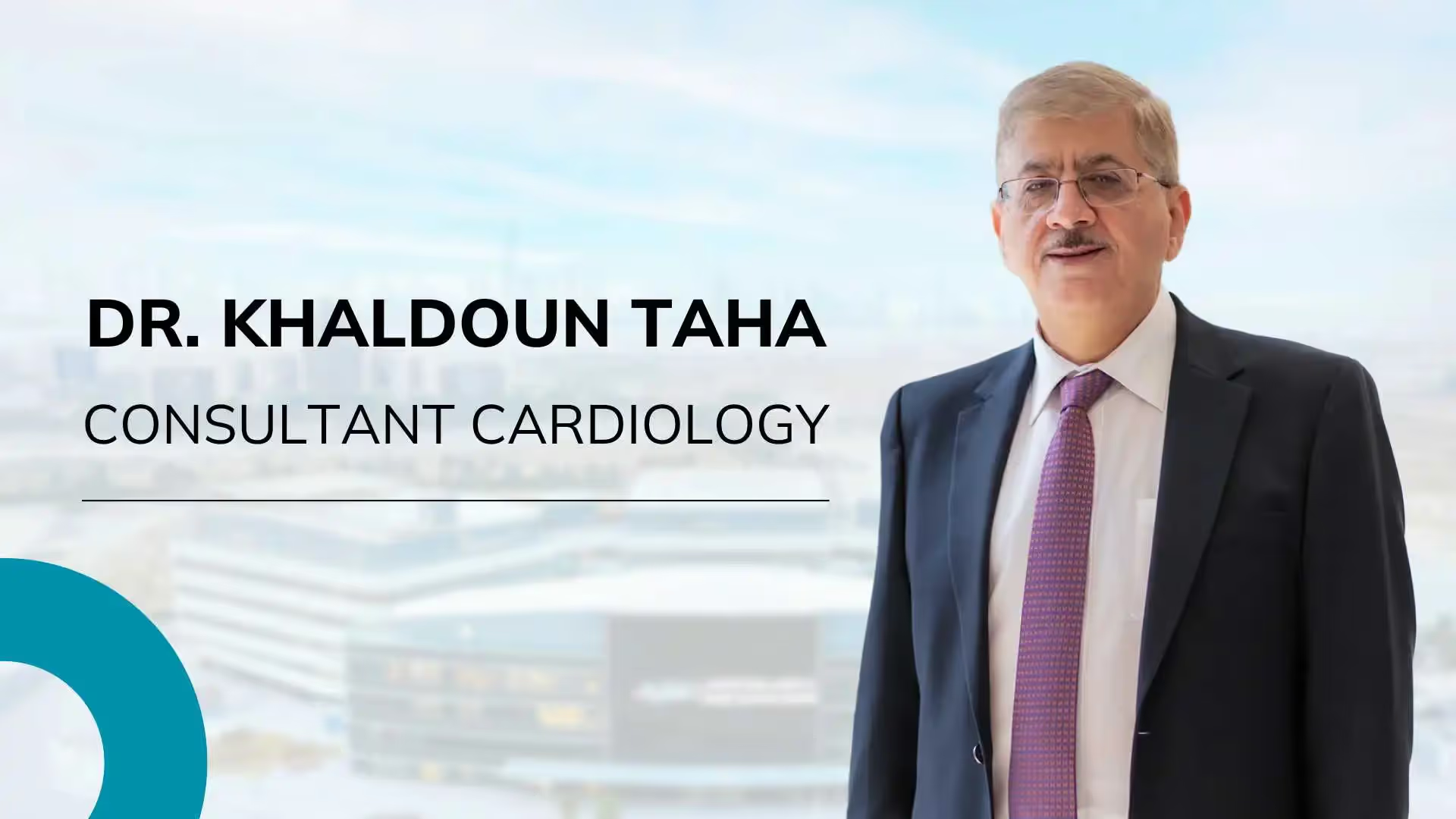
In light of World Hypertension Day, Fakeeh University Hospital Dubai, along with expert insights from Dr. Khaldoun Taha, Consultant Cardiologist, is shedding light on the importance of understanding, detecting, and managing high blood pressure effectively.
High blood pressure (hypertension) is often called the “silent killer” because it shows no symptoms until serious complications arise. It is a leading cause of stroke, heart attack, kidney failure, and premature death. In fact, the World Health Organization (WHO) reports that hypertension contributes to 9.4 million deaths globally each year.
Dr. Khaldoun Taha explains that blood pressure is measured in two numbers:
A normal reading is 120/80 mmHg. Repeated readings above 130/80 mmHg require medical attention.
Intense migraine attacks can cause temporary spikes in blood pressure due to stress, pain, and physical exertion. While these are not always signs of chronic hypertension, they should be evaluated, especially if episodes occur frequently.
Fast-paced lifestyles, dietary habits, and high stress levels are contributing to rising hypertension cases in the UAE. According to the Ministry of Health and Prevention, 28.8% of UAE adults suffer from high blood pressure — often unknowingly.
Early diagnosis through simple screenings like blood pressure checks can prevent long-term complications.
World Hypertension Day, observed every year on May 17, raises global awareness about the importance of regular checkups and lifestyle changes to prevent and manage hypertension. It's a perfect time to:
At Fakeeh University Hospital, we offer advanced cardiac screenings, hypertension management programs, and consultations with cardiologists like Dr. Khaldoun Taha to help you stay on top of your heart health.
Whether you’ve experienced a sudden spike or have a family history, don't wait for symptoms to show. Take control of your health today.
Read Full Article: