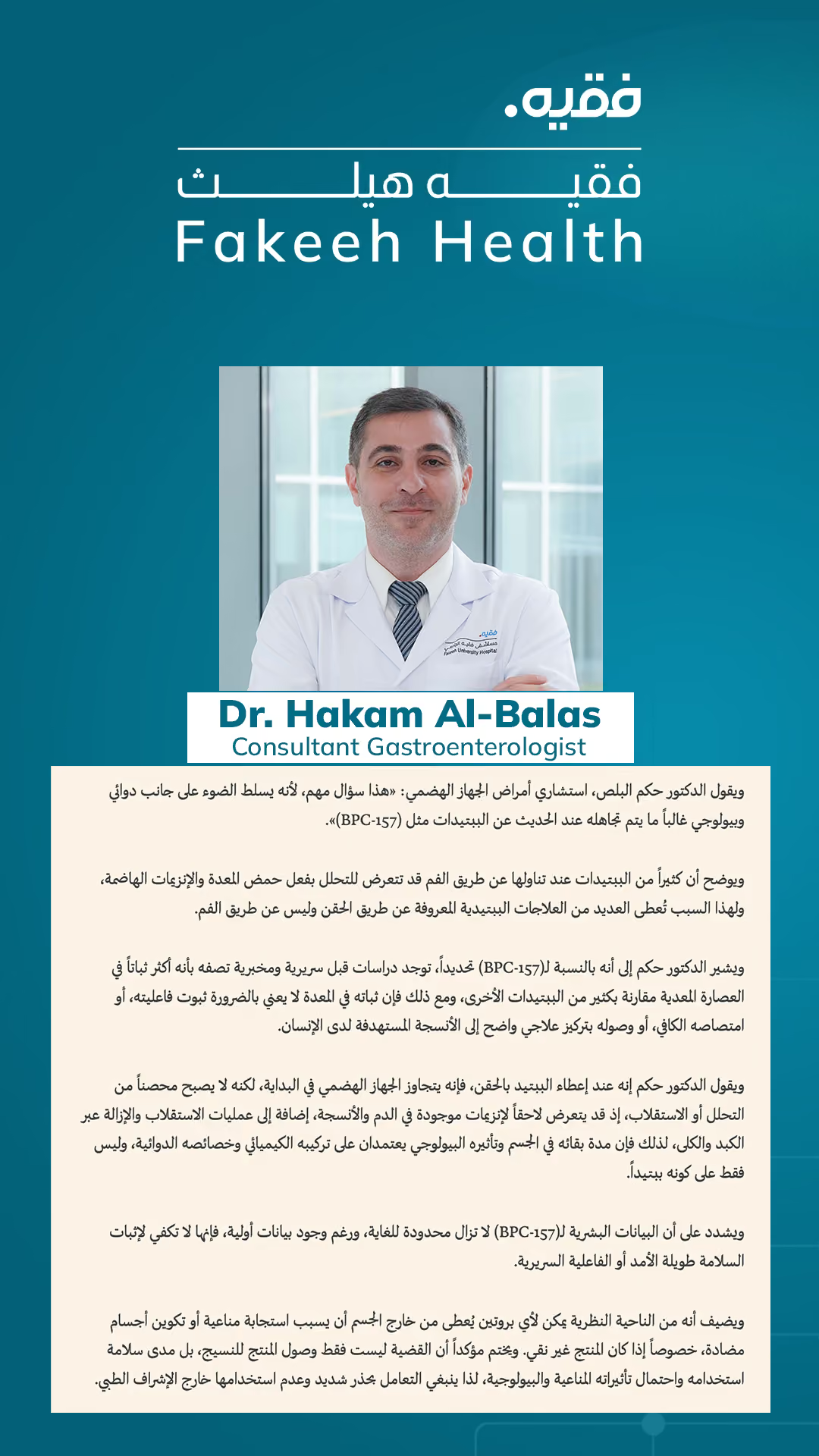
Dr. Hakam Al Balas, Consultant Gastroenterologist, says:
"This is an important question because it highlights a pharmacological aspect that is often overlooked when discussing peptides such as BPC-157."
He explains that many peptides, when taken orally, may be broken down by stomach acid and digestive enzymes. For this reason, many peptide-based therapies are administered by injection rather than by mouth.
Regarding BPC-157 specifically, Dr. Hakam notes that preclinical and laboratory studies suggest it is more stable in gastric acid than many other peptides. However, this stability does not necessarily mean that it is effective or sufficiently absorbed to reach target tissues at therapeutic concentrations in humans.
He adds that when a peptide is administered by injection, it initially bypasses the digestive tract, but it is still not protected from metabolism. It may subsequently be degraded by enzymes in the blood and tissues and eliminated through the liver and kidneys. Therefore, its duration of action and biological effects depend on its chemical structure and pharmacological properties—not simply on the fact that it is a peptide.
Dr. Hakam emphasizes that human clinical data on BPC-157 remain extremely limited. Although preliminary findings exist, they are insufficient to establish its long-term safety or clinical effectiveness.
From a theoretical standpoint, he also explains that any protein administered from outside the body has the potential to trigger an immune response or stimulate antibody formation, particularly if the product is impure. He concludes that the key concern is not merely whether the product reaches the tissue, but whether it is safe to use and what biological and immunological effects it may produce. For this reason, it should be used with great caution and never outside appropriate medical supervision.
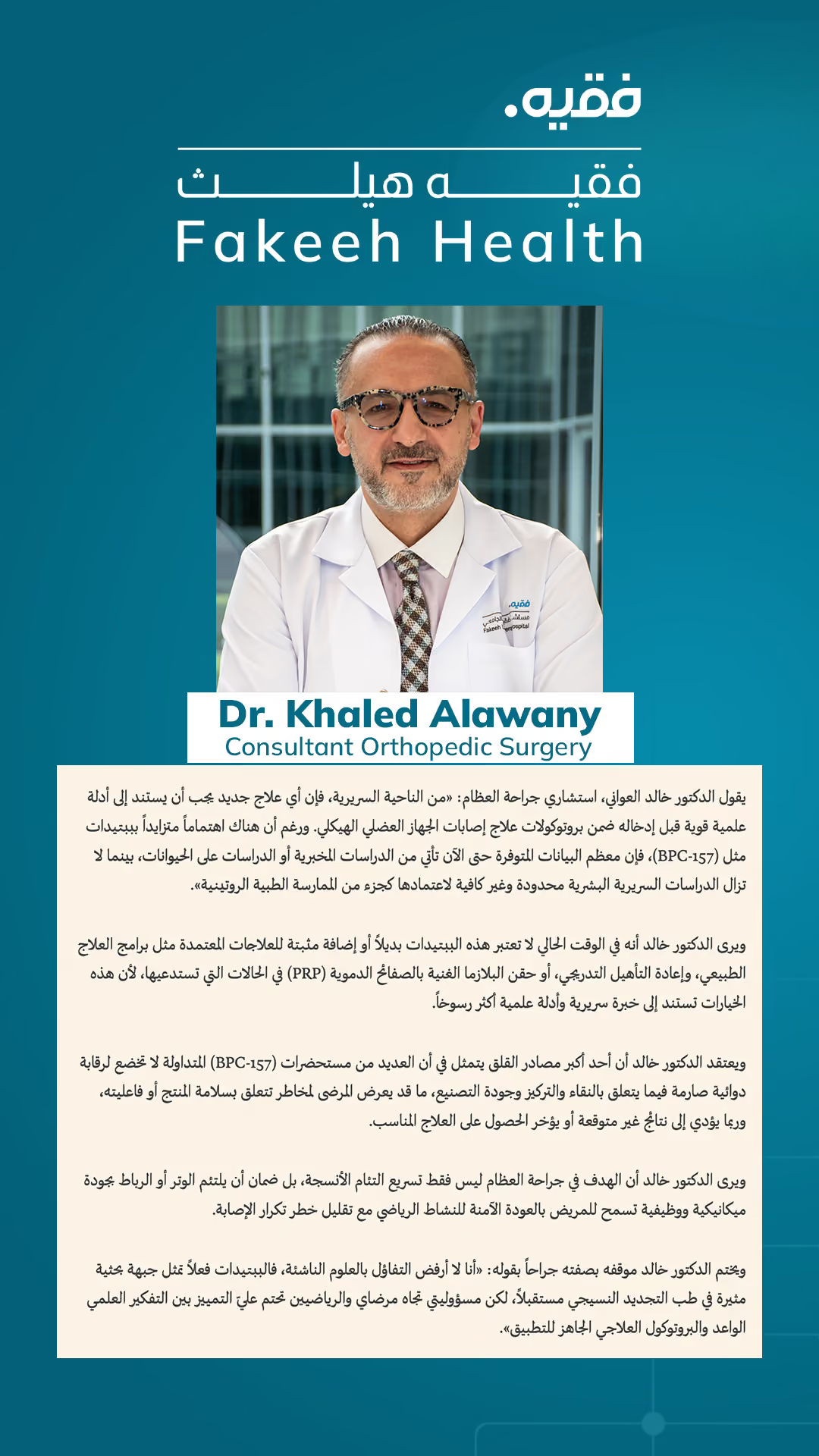
Dr. Khaled Al Awani, Consultant Orthopedic Surgeon, says:
"From a clinical perspective, any new treatment must be supported by strong scientific evidence before it can be incorporated into treatment protocols for musculoskeletal injuries."
Although there is growing interest in peptides such as BPC-157, Dr. Khaled explains that most of the available evidence comes from laboratory studies or animal research. Human clinical studies remain limited and are not sufficient to support their adoption as part of routine medical practice.
He believes that, at present, these peptides should not be considered a substitute for—or an evidence-based addition to—established treatments such as physical rehabilitation programs or platelet-rich plasma (PRP) injections in appropriate cases, as these approaches are supported by stronger clinical experience and scientific evidence.
Dr. Khaled also points out that one of the greatest concerns is that many commercially available BPC-157 products are not subject to strict pharmaceutical regulation. Variations in purity, concentration, and manufacturing quality may expose patients to risks related to product safety or effectiveness, potentially leading to unpredictable outcomes or delaying appropriate treatment.
He emphasizes that the goal of orthopedic surgery is not simply to accelerate tissue healing, but to ensure that tendons and ligaments heal with sufficient mechanical strength and function to allow patients to return safely to physical activity while minimizing the risk of re-injury.
Dr. Khaled concludes:
"As a surgeon, I do not reject emerging scientific developments. Peptides may indeed represent a promising area in the future of regenerative medicine. However, our responsibility to patients and athletes requires us to distinguish between promising scientific concepts and treatment protocols that are truly supported by robust evidence and ready for clinical application."