
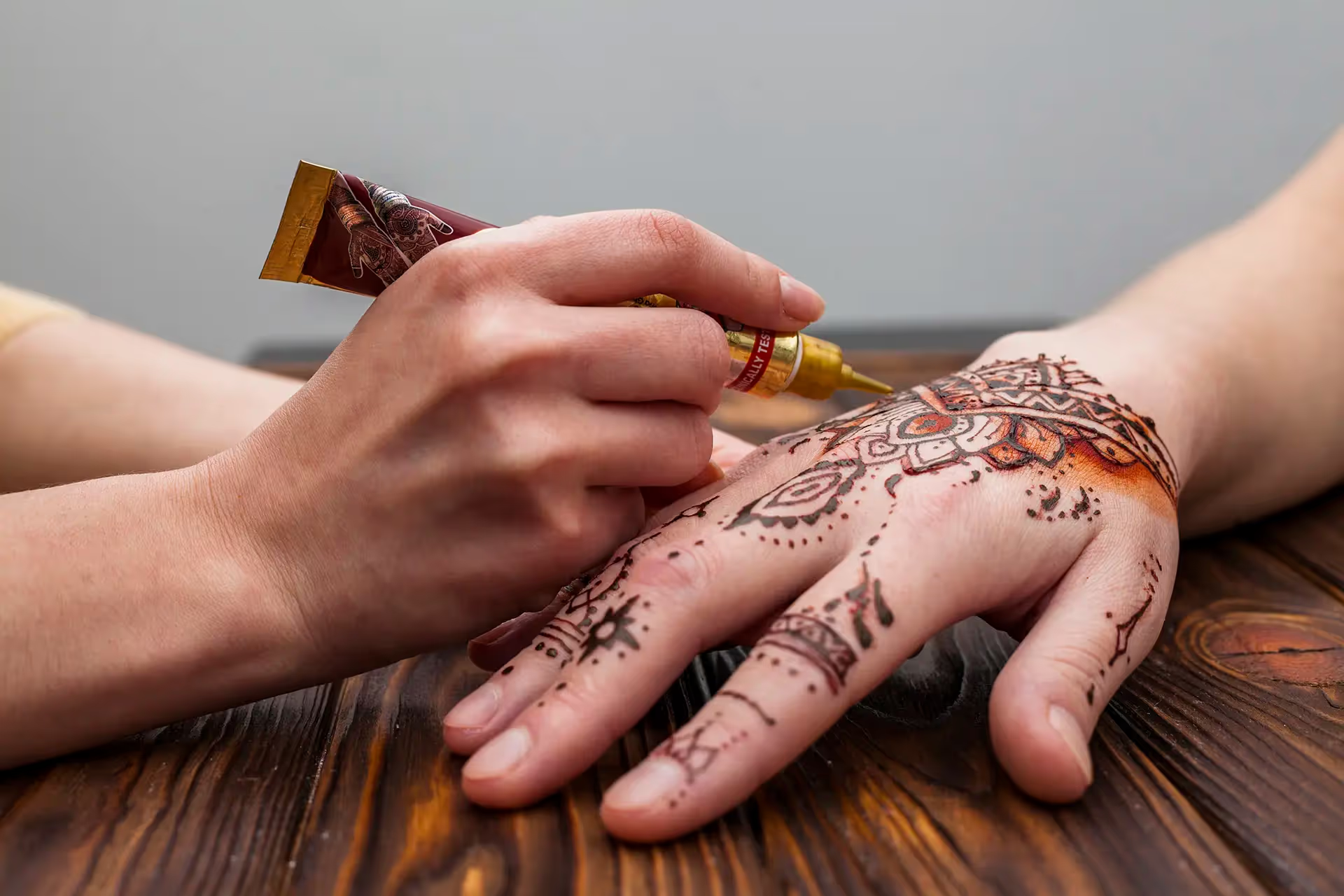
As Eid approaches, the use of henna becomes a cherished tradition among many, especially women and young girls. However, dermatologists are raising concerns about the use of black henna, which may contain harmful chemicals that pose serious health risks.
Fakeeh University Hospital, our dermatology experts emphasize the importance of using safe, natural henna to avoid skin complications and maintain healthy skin during the festive season.
Unlike traditional natural henna, which gives a reddish-brown or copper tint, black henna often contains paraphenylenediamine (PPD) — a chemical dye used to achieve a darker color and faster results.
PPD is known to cause allergic reactions, skin irritation, and permanent pigmentation.
.avif)
Dr. Rana Abu Trab, dermatologist and cosmetologist, warns:
“One of the most serious reactions from black henna is allergic contact dermatitis, which can include redness, swelling, blisters, and even permanent scarring.”
.avif)
If you experience any of the following symptoms after applying henna, you should remove it immediately and consult a dermatologist:
To enjoy beautiful henna designs without compromising your health, our dermatologists recommend the following:
Dr. Marwa Badawi, cosmetic dermatologist, stresses:
“Natural henna, extracted directly from plant leaves without added dyes or chemicals, is the safest choice for skin.”
Although natural henna may take longer to develop its full color, it is non-toxic, gentle on skin, and preferred for long-term safety.
Apply a small amount of henna to a small patch of skin at least 24 hours before full application. If irritation or rash appears, avoid using the product entirely.
Avoid online purchases or unknown vendors. Ensure your henna comes in sealed packaging with clearly listed ingredients. Unlabeled or cheap henna may contain harmful or banned chemicals.
Dr. Shivani Wadhwa, dermatologist, advises parents to avoid black henna entirely for children due to their sensitive skin. Always perform a patch test before applying henna to young girls.
It’s important to understand that there is no such thing as natural black henna. Products labeled as "black henna" often contain PPD or other harmful chemicals, and may not contain natural henna at all.
For a safer and joyful Eid, choose natural red henna and avoid black henna products completely.
At Fakeeh University Hospital, we prioritize your skin health and overall well-being. As you prepare to celebrate Eid with joy and beauty, be cautious about the products you apply to your skin.
If you suspect any reaction from henna use, book an appointment with our dermatology team immediately.
📍 Stay safe, stay informed, and enjoy a healthy, allergy-free Eid celebration.

