

Wanting to be fit and healthy is a good thing. But in the age of social media where carefully selected, digitally edited images are presented as the "ideal" the healthy pursuit of fitness can quietly tip into something harmful. Health experts are increasingly warning about the growing phenomenon of "fitness obsession": following extreme diets and exercising excessively in the relentless pursuit of a "perfect body."
Constant comparison, fuelled by unrealistic images online, has helped these behaviours spread particularly among teenagers and young adults. And while the goal may start as self-improvement, the consequences can affect nearly every system in the body, from hormones and fertility to bones, heart, and mental health.
Striving for a healthy body is positive. The problem begins when weight or body shape becomes the centre of a person's life and daily thinking when self-worth becomes tied to a number on the scale or a reflection in the mirror.
Experts note that medical evaluation becomes necessary when diet and exercise turn into compulsive behaviour that starts to affect studies, work, relationships, sleep, and mood. At that point, it's no longer simply an enthusiastic approach to health. Eating and exercise disorders are real medical and psychological conditions not a matter of willpower or vanity and they deserve the same care and compassion as any other health issue.
The effects of extreme dieting and over-exercising can be wide-ranging and, in some cases, serious. Health experts highlight consequences that can include:
Crucially, many of these begin as seemingly minor symptoms tiredness, feeling cold, hair loss, headaches that can develop into more serious problems if left unaddressed.
When the body is running on too little energy, it begins to shut down functions it treats as non-essential in order to preserve survival. In women, this can disrupt the delicate signalling between the brain, the pituitary gland, and the ovaries leading to irregular periods or the complete stopping of menstruation, and affecting ovulation and the ability to conceive. In men, severe under-nourishment can lower sex-hormone production, with effects on libido, energy, muscle mass, and fertility.
These are not minor side effects. They are signals that the body is under significant strain, and they warrant proper medical evaluation rather than guesswork.
Rapid, unhealthy weight loss can weaken bones especially in adolescents and young adults, whose bodies are still building bone mass. Salt and electrolyte imbalances that result from starvation or other extreme behaviours can trigger dangerous disturbances in heart rhythm. And anemia is often linked to a shortage of iron, vitamins, or protein which is exactly why the underlying cause needs to be diagnosed by a professional, rather than "fixed" by taking supplements at random.
There is a close, two-way relationship between an obsession with body image and conditions such as anxiety, depression, eating disorders, and social isolation.
It often begins with dissatisfaction about body shape, which turns into constant anxiety about gaining weight. This can drive a person to restrict food or over-exercise in an effort to feel "in control." But continuous food deprivation tends to increase stress, irritability, sleep problems, and difficulty concentrating while the feeling of never reaching an "ideal" shape erodes self-esteem and can deepen into depression.
Importantly, when someone continues these behaviours even though they know the harm, it isn't stubbornness. It may be part of the disorder itself a compulsive cycle that requires integrated, compassionate treatment.
Social media has played a major role in spreading fitness obsession, especially among young people. Platforms show curated, edited images presented as a natural standard of beauty and success, leading many to believe that social acceptance depends on having a "perfect" body. Some accounts promote harsh diets or extreme "challenges" without acknowledging the health risks or the natural differences between bodies and platform algorithms then surround the user with more of the same content, until messages about weight and appearance feel inescapable.
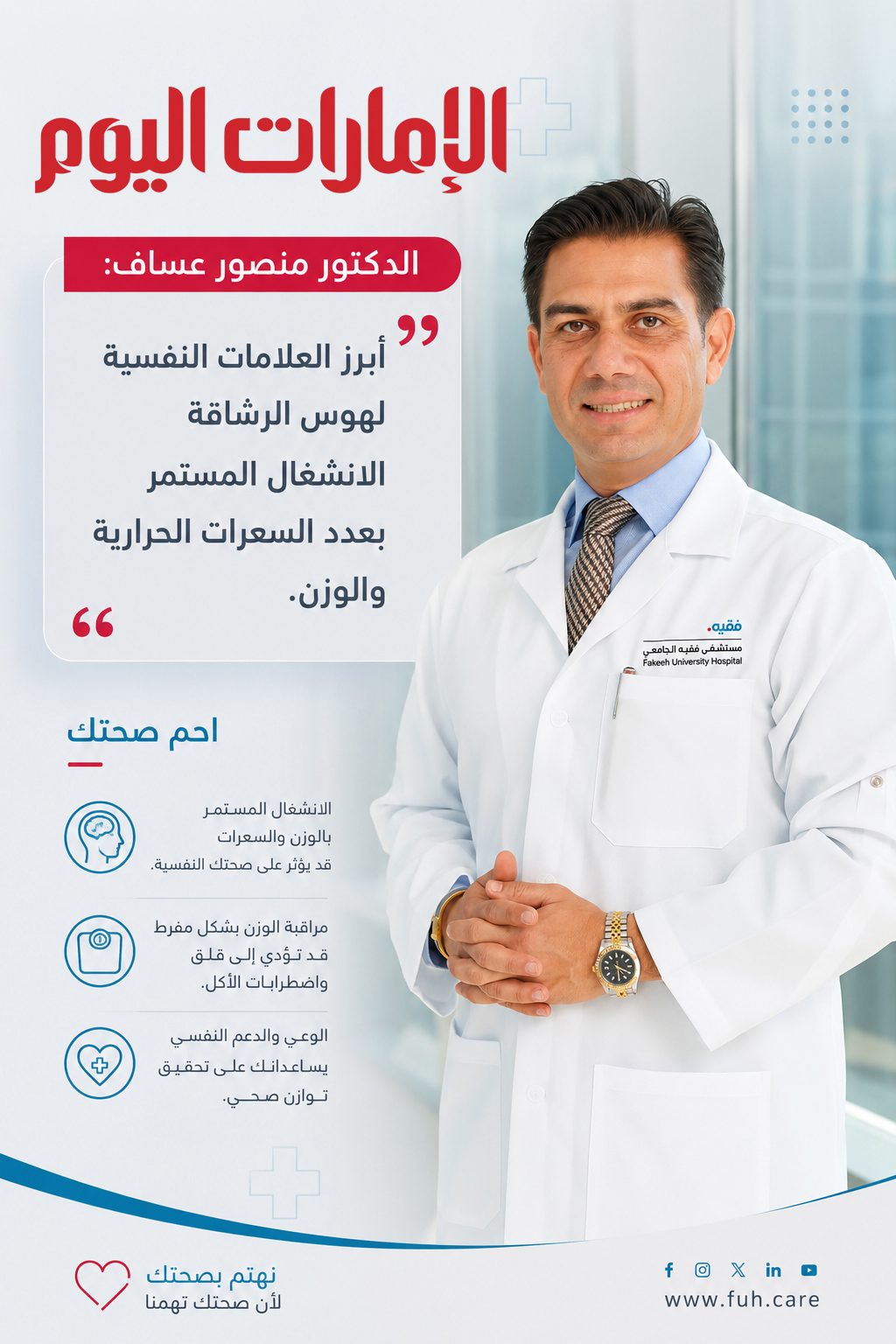
Recognising the signs, in yourself or someone you love — is the first step toward help. They can include:
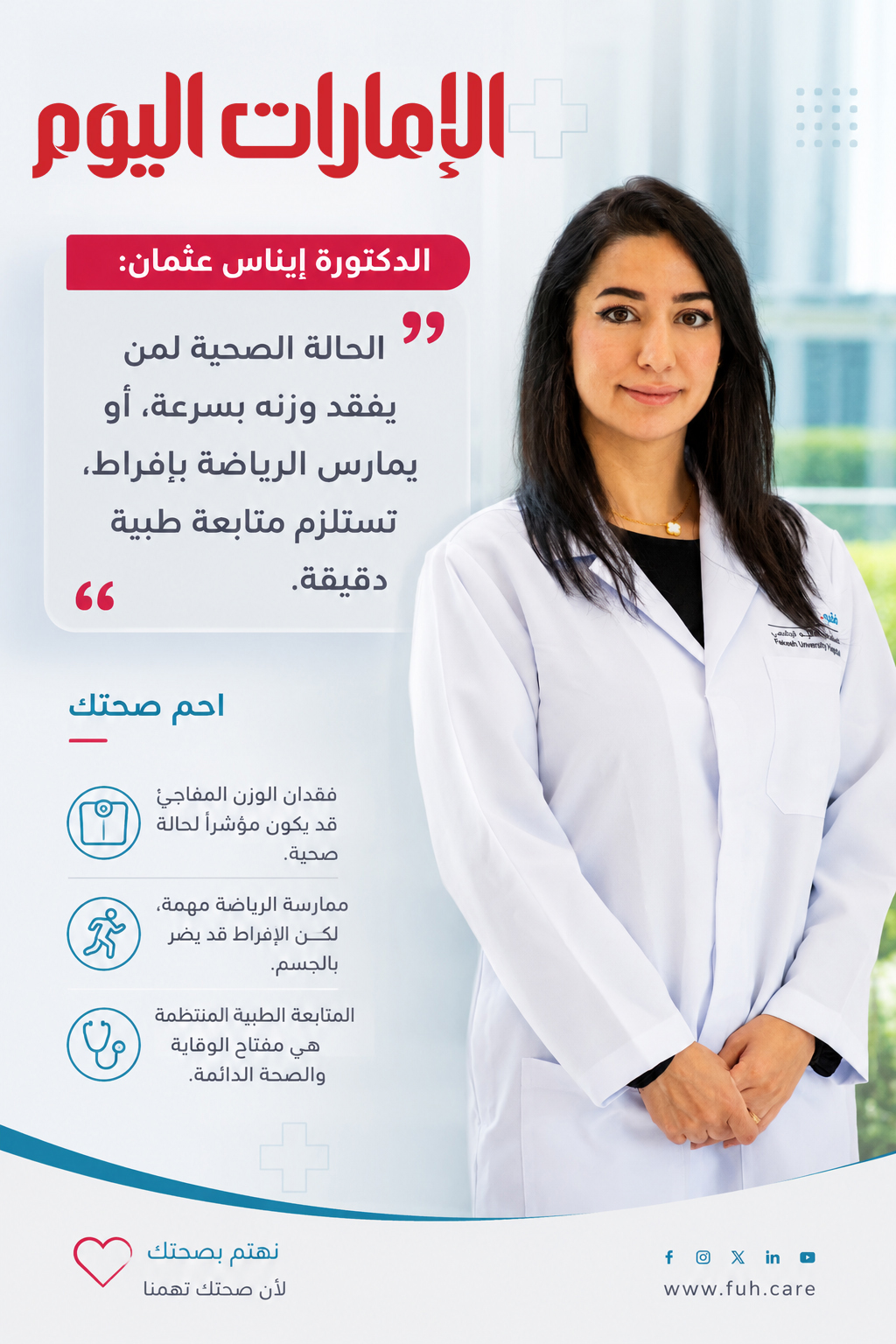
Some groups are more vulnerable than others, including teenagers going through physical changes and peer pressure; athletes in sports that emphasise a low body weight; people who are frequently subjected to comments or bullying about their weight; and those with a personal or family history of eating disorders, anxiety, depression, or low self-esteem. People managing chronic conditions also need particular support and should never adjust their prescribed treatment in pursuit of weight loss.
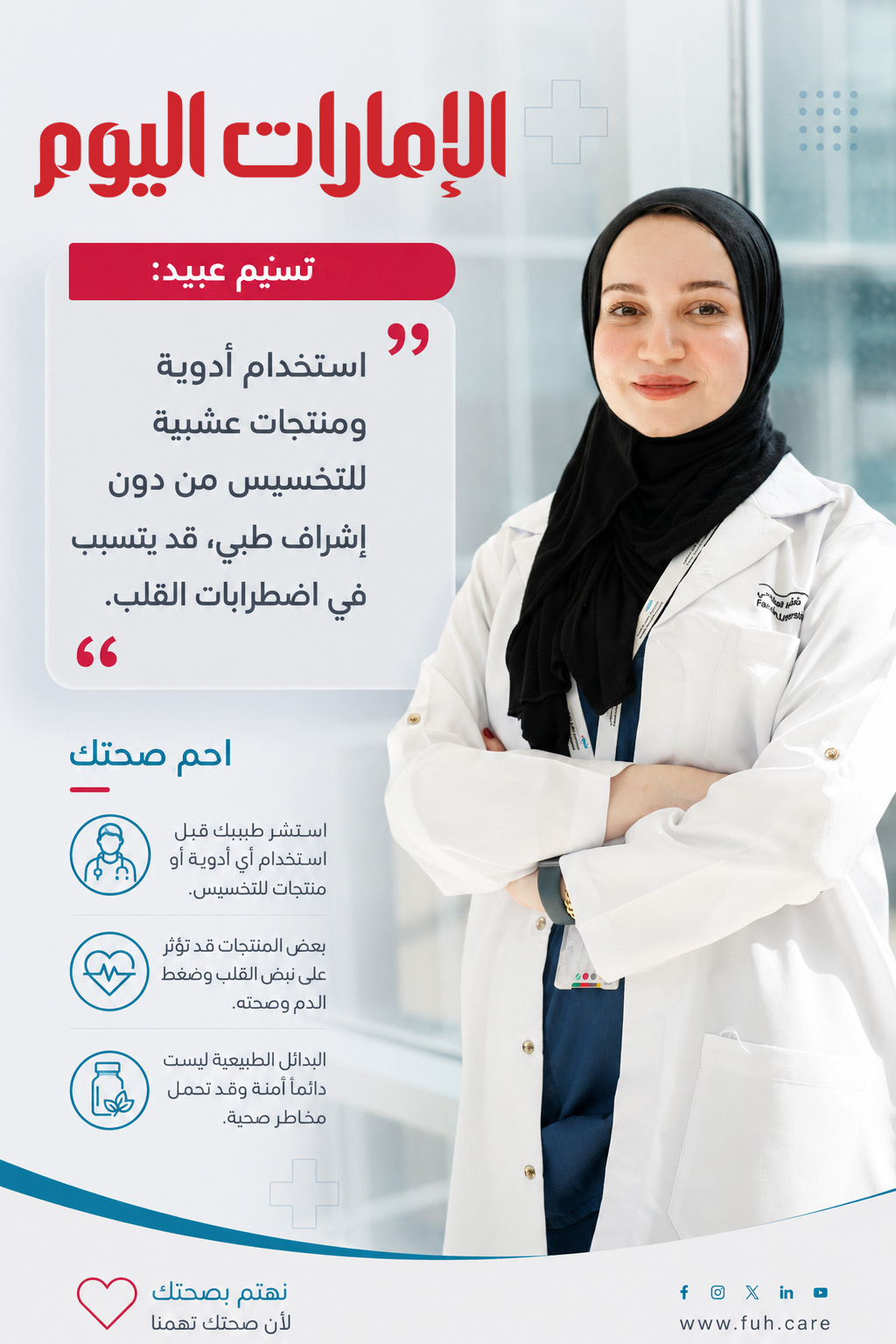
In the search for fast results, some turn to slimming pills, injections, or herbal products without medical supervision a path that can lead to serious complications affecting the heart, blood pressure, liver, and digestion. A common and dangerous misconception is that anything "natural" is automatically safe. In reality, some unlicensed products may contain undeclared pharmaceutical substances or stimulants. There are no safe shortcuts to health, and any product or programme promising dramatic results deserves real caution.
The difference between a healthy approach and an extreme one is simple in principle: a healthy approach aims to improve overall wellbeing and supports the body's needs, with any change happening gradually and sustainably. Extreme dieting relies on deprivation and often results in losing muscle and nutrients rather than fat, while harming hormones, immunity, and mental health.
Losing weight safely, where appropriate, should always be gradual and guided by qualified professionals, with the focus on health and habits rather than simply a lower number on the scale. Your body deserves nourishment, rest, and kindness not punishment.
If any part of this feels familiar for you or for someone you care about please know that these are genuine, treatable health conditions, and reaching out is a sign of strength, not weakness. Recovery is possible with the right support. At Fakeeh Health, our teams offer integrated, compassionate care that brings together medical, psychological, and nutritional expertise to support your health and your relationship with your body.

