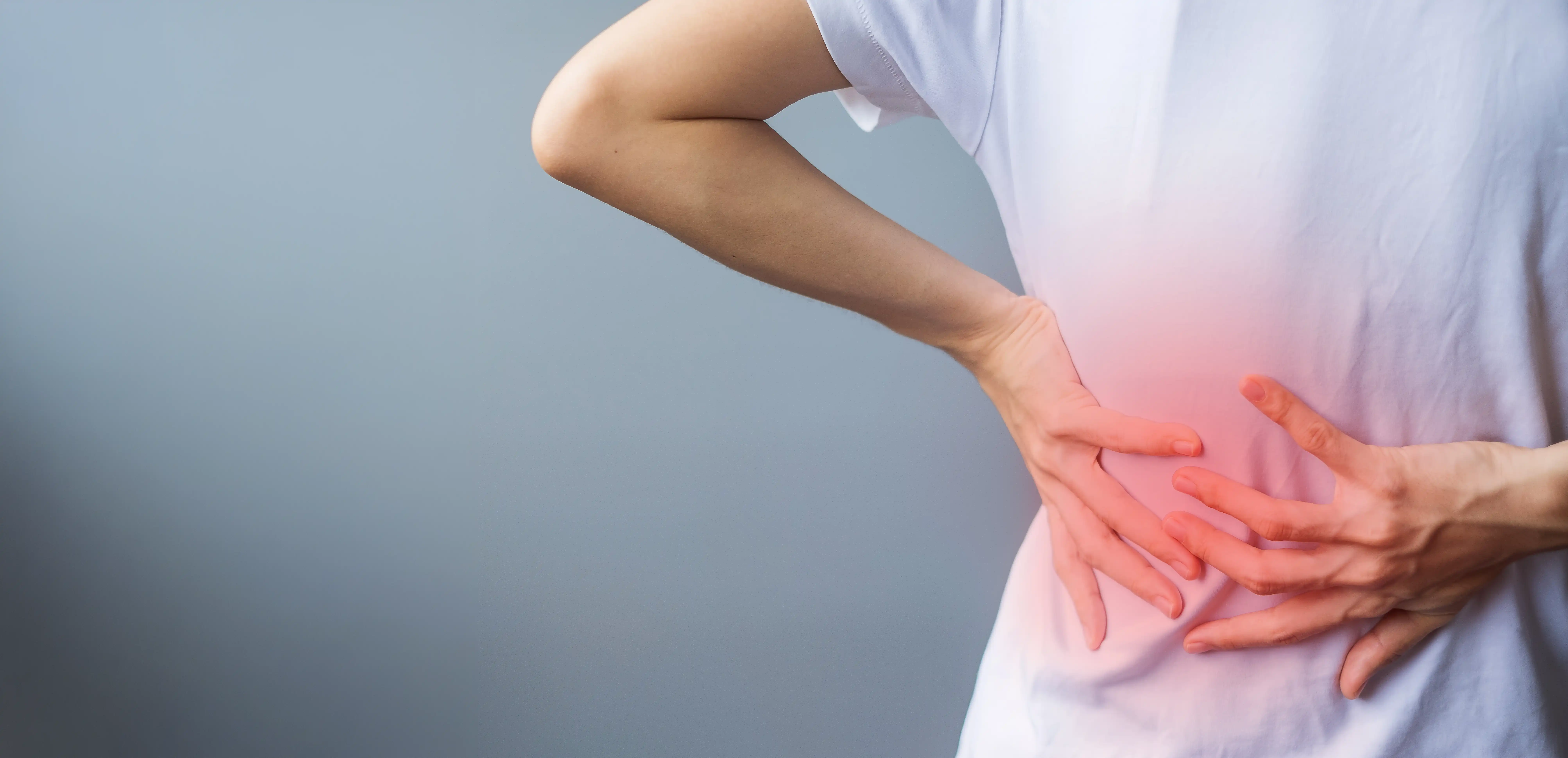
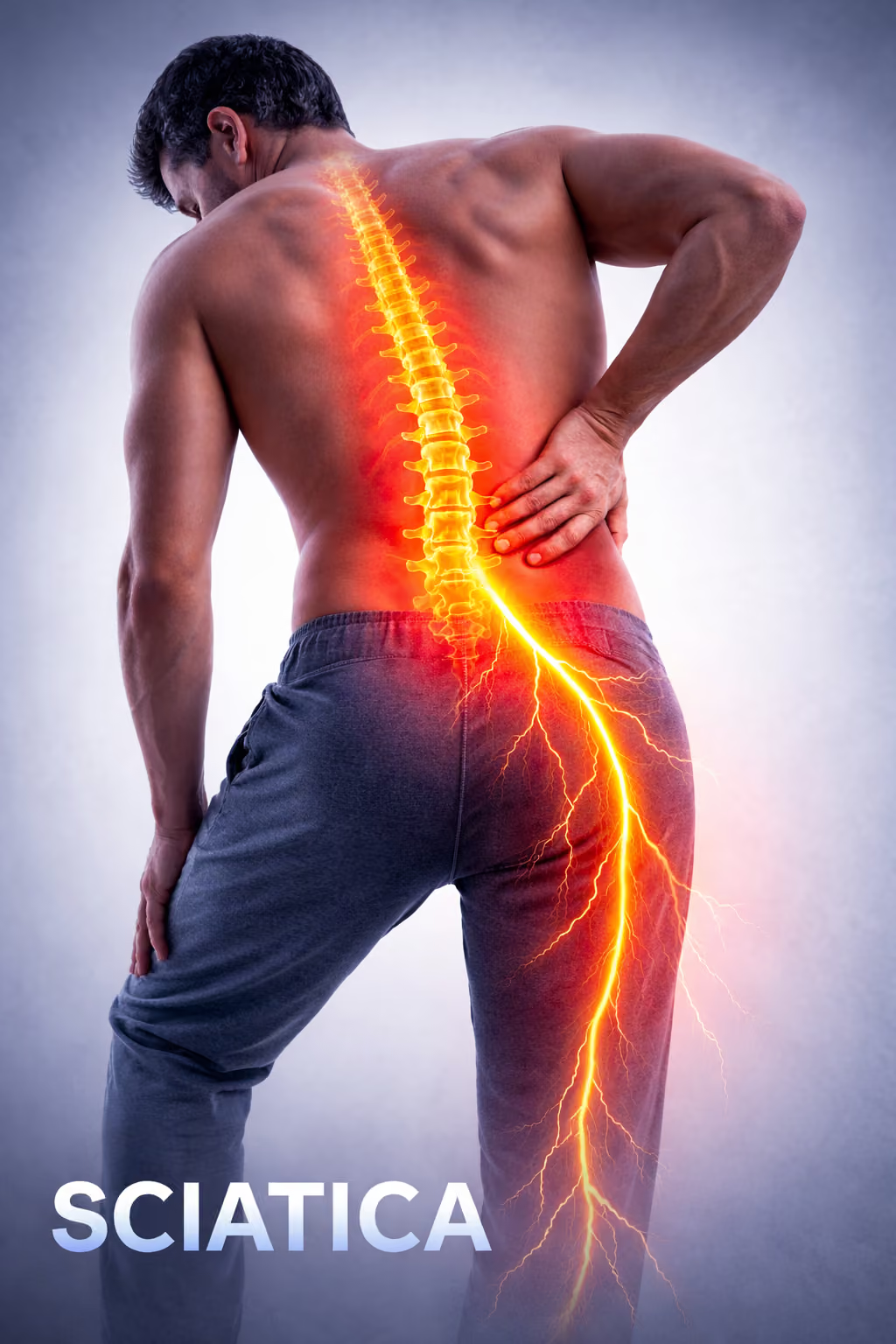
Sciatica is a common condition that causes pain radiating from the lower back down into the leg. It occurs when the sciatic nerve, the largest nerve in the body, becomes irritated or compressed. The pain can range from mild discomfort to severe, shooting pain that interferes with daily activities such as walking, sitting, or sleeping.
At Fakeeh University Hospital Dubai, our experienced team of spine consultants, neurologists, and physiotherapists provides comprehensive evaluation and personalized treatment for sciatica. Using advanced diagnostic technology, minimally invasive techniques, and evidence-based treatment approaches, our specialists identify the underlying cause of sciatic nerve pain and develop tailored treatment plans to relieve symptoms and restore mobility.
Early diagnosis and appropriate treatment are important to prevent chronic nerve pain and long-term complications.
Sciatica refers to pain caused by irritation or compression of the sciatic nerve, which runs from the lower spine through the hips and buttocks and down each leg.
This condition typically affects only one side of the body and is often associated with problems in the lumbar spine (lower back).
Sciatica is not a disease itself but rather a symptom of an underlying spinal condition affecting the nerve roots that form the sciatic nerve.
Sciatica symptoms vary depending on the degree of nerve irritation or compression.
Common symptoms include:
Some patients experience severe leg pain with only minimal lower back discomfort.
In many cases, the pain follows a specific nerve pathway down the leg.
Sciatica usually occurs when a spinal structure presses on or irritates the nerve roots in the lower spine.
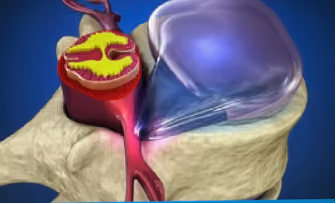
A herniated disc is the most common cause of sciatica.
When the soft center of a spinal disc protrudes through the outer layer, it can compress nearby nerve roots.
This may lead to:
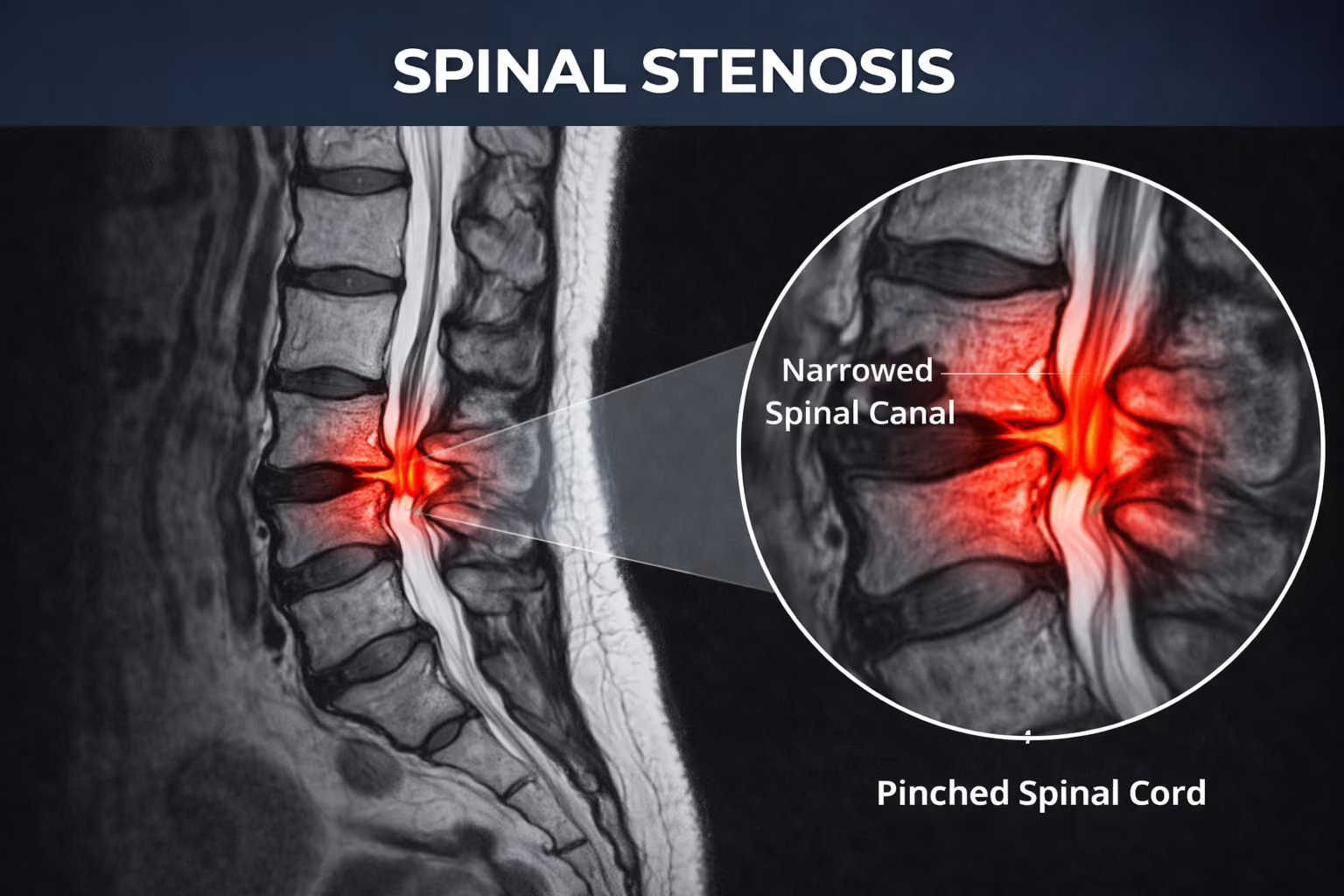
Spinal stenosis refers to narrowing of the spinal canal, which can compress the nerves in the lower spine.
This condition is more common in older adults and may cause:
With aging, spinal discs gradually lose hydration and elasticity.
Degeneration of discs can lead to reduced disc height, inflammation, and nerve irritation that may trigger sciatic pain.
Spondylolisthesis occurs when one vertebra slips forward over another.
This shift can compress nearby nerves and cause sciatica symptoms.
In some cases, sciatica may result from irritation of the sciatic nerve outside the spine.
A tight or inflamed piriformis muscle in the buttock can compress the nerve and cause radiating leg pain.
Several factors increase the likelihood of developing sciatica:
Maintaining a healthy lifestyle and good spinal posture can help reduce the risk.
Medical evaluation is recommended if sciatica symptoms:
Severe neurological symptoms require urgent medical attention.
At Fakeeh University Hospital Dubai, diagnosing sciatica involves a comprehensive evaluation.
Doctors assess symptoms, mobility, nerve function, and muscle strength.
Special tests may be performed to evaluate nerve irritation.
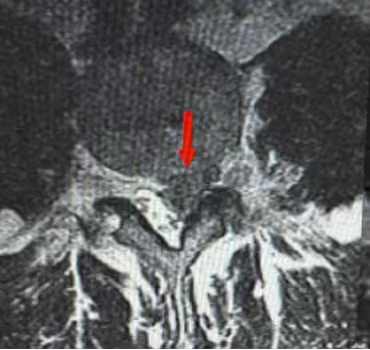
Imaging studies help identify the underlying cause of nerve compression.
These may include:
MRI is often the most useful imaging test for identifying nerve compression.
Treatment depends on the cause and severity of symptoms.
Most patients improve with conservative treatment.
Physiotherapy and Rehabilitation
Physical therapy helps strengthen spinal muscles, improve flexibility, and relieve nerve pressure.
Targeted exercises can significantly reduce pain and improve function.
Medications and anti-inflammatory therapies may be used to relieve nerve irritation and reduce pain.
Maintaining proper posture, avoiding prolonged sitting, and staying physically active can support recovery.
If symptoms persist, additional options may include:
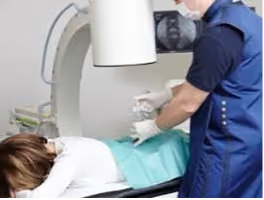
Image-guided spinal injections like:
These procedures help reduce inflammation around the affected nerve.
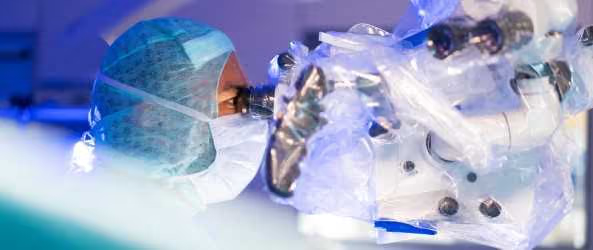
Surgery is recommended only when conservative treatments fail or when significant nerve compression causes severe symptoms.
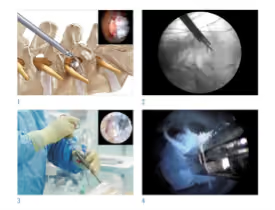
Common surgical procedures include:
Minimally invasive techniques are often used to reduce recovery time.
Several lifestyle measures can help reduce the risk of developing sciatica.
Helpful strategies include:
Regular exercise and spinal care are important for long-term spine health.
Fakeeh University Hospital offers comprehensive spine care using advanced diagnostic tools and multidisciplinary expertise.
Our advantages include:
Our goal is to relieve nerve pain while treating the underlying spinal condition.
If you are experiencing persistent leg pain, numbness, or weakness, early evaluation is important to identify the underlying cause.
Book an appointment at Fakeeh University Hospital Dubai to receive expert diagnosis and personalized treatment from our spine specialists.






.avif)