Spinal stenosis is a condition characterized by narrowing of the spinal canal, the space within the spine that houses the spinal cord and nerve roots. When this space becomes narrowed, pressure may develop on the nerves or the spinal cord, leading to pain, neurological symptoms, and reduced mobility.
Spinal stenosis can occur in different parts of the spine, most commonly in the lumbar spine (lower back) and the cervical spine (neck).
At Fakeeh University Hospital Dubai, our spine specialists provide comprehensive evaluation and individualized treatment for patients with spinal stenosis. Using advanced imaging, precise diagnosis, and modern minimally invasive surgical techniques when necessary, we focus on relieving nerve compression, restoring mobility, and improving quality of life.
Early diagnosis and proper management are essential to prevent progressive neurological impairment and long-term disability.
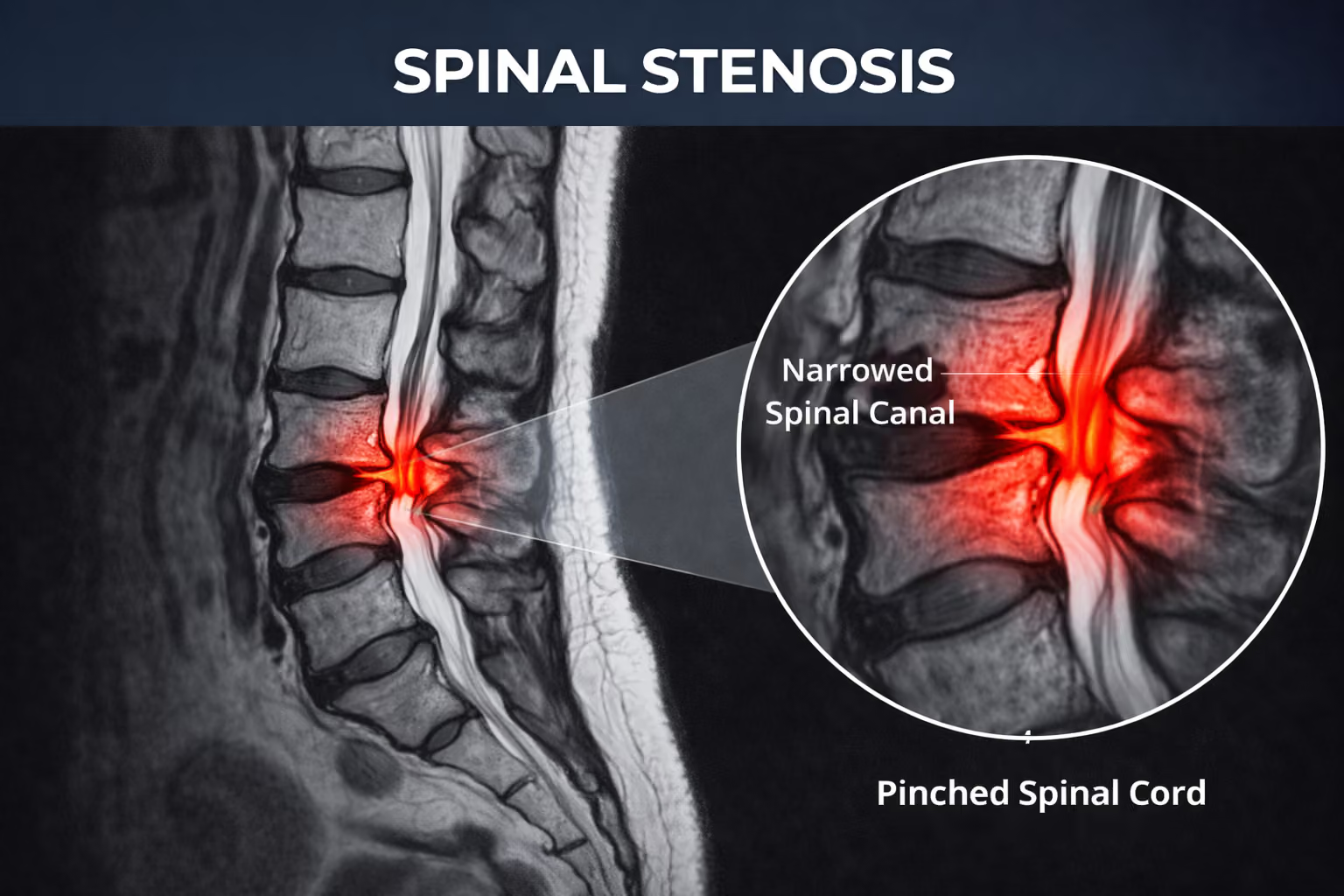
The spinal canal is a protective passage formed by the vertebrae through which the spinal cord and nerves travel.
Spinal stenosis occurs when the structures surrounding the spinal canal gradually narrow the available space, placing pressure on neural structures.
This narrowing may affect:
Spinal stenosis typically develops gradually over time but may eventually lead to significant symptoms affecting daily activities.
Symptoms vary depending on the location and severity of the narrowing.
Lumbar stenosis primarily affects the nerves supplying the legs.
Common symptoms include:
Some patients develop neurogenic claudication, a condition where walking becomes progressively difficult due to nerve compression.
Cervical stenosis can affect the spinal cord and may lead to more complex neurological symptoms.
Common symptoms include:
In more severe cases, patients may experience myelopathy, a condition caused by spinal cord compression.
The most frequent cause of spinal stenosis is degenerative changes of the spine associated with aging.
Over time, spinal discs lose height and elasticity, joints may enlarge, and ligaments may thicken, gradually narrowing the spinal canal.
Other causes include:
Bulging or ruptured discs may protrude into the spinal canal and compress nearby nerves.
Degenerative arthritis of the spine may cause bone overgrowth that narrows the spinal canal.
Ligaments that stabilize the spine may become thickened over time, reducing space within the canal.
Some individuals are born with a naturally narrower spinal canal, making them more susceptible to symptoms later in life.
Less commonly, tumors, fractures, or other spinal injuries may cause narrowing of the spinal canal.
Several factors may increase the risk of developing spinal stenosis:
Maintaining spinal health and addressing early symptoms can help prevent progression.
At Fakeeh University Hospital Dubai, diagnosis begins with a detailed clinical evaluation.
The physician assesses symptoms, neurological function, muscle strength, reflexes, and spinal mobility.
Specific tests help identify whether nerve roots or the spinal cord are being compressed.
Imaging plays a key role in confirming the diagnosis and determining the severity of stenosis.
These may include:
Accurate imaging allows precise treatment planning.
Treatment depends on the severity of symptoms and the degree of nerve compression.
Many patients benefit from conservative treatment.
Targeted physiotherapy helps strengthen spinal muscles, improve flexibility, and enhance spinal stability.
Pain relievers and anti-inflammatory medications may help reduce inflammation and discomfort.
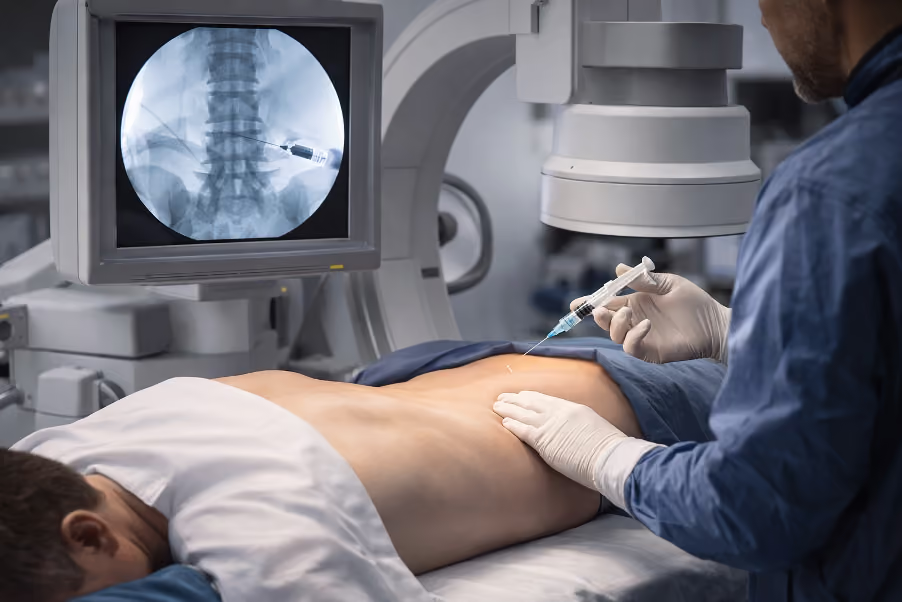
Image-guided steroid injections can reduce inflammation around the affected nerves and provide symptom relief.
Surgery may be recommended when:
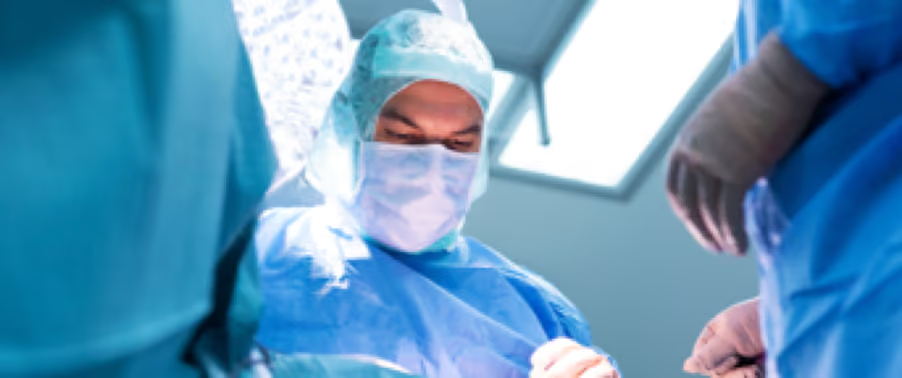
Surgical options include:
Microsurgical decompression relieves pressure on the nerves by removing the structures that narrow the spinal canal. In some cases, a foraminotomy may be performed to enlarge the openings where nerves exit the spine.
If spinal instability is present, a fusion procedure may be recommended to stabilize the affected segment using minimally invasive techniques.
.avif)
Modern minimally invasive spine surgery allows for:
The choice of surgical technique depends on the individual anatomy and pathology of each patient.
With appropriate treatment, many patients with spinal stenosis experience significant improvement in symptoms and mobility.
Early diagnosis and individualized management are essential to prevent progressive neurological impairment.
Immediate medical evaluation is necessary if symptoms include:
These symptoms may indicate significant nerve or spinal cord compression requiring urgent treatment.
If you are experiencing persistent neck pain, back pain, leg pain, or difficulty walking, early evaluation can help identify spinal stenosis and guide effective treatment.
Book your appointment at Fakeeh University Hospital Dubai to receive expert diagnosis and personalized care from our spine consultants.





.avif)