Neck pain is one of the most common musculoskeletal complaints affecting people worldwide. It can range from mild discomfort to severe pain that interferes with daily activities such as working, driving, or sleeping. Neck pain may occur suddenly due to injury or develop gradually from posture problems, age-related changes, or underlying medical conditions.
At Fakeeh University Hospital Dubai, our multidisciplinary team of spine consultants, neurologists and physiotherapists provides comprehensive evaluation and advanced treatment for neck pain. Using modern diagnostic technology, evidence-based care and minimally invasive techniques, we focus on identifying the underlying cause of neck pain and creating personalized treatment plans to help patients regain mobility and improve quality of life.
Early diagnosis and proper treatment are essential to prevent complications and ensure effective recovery.
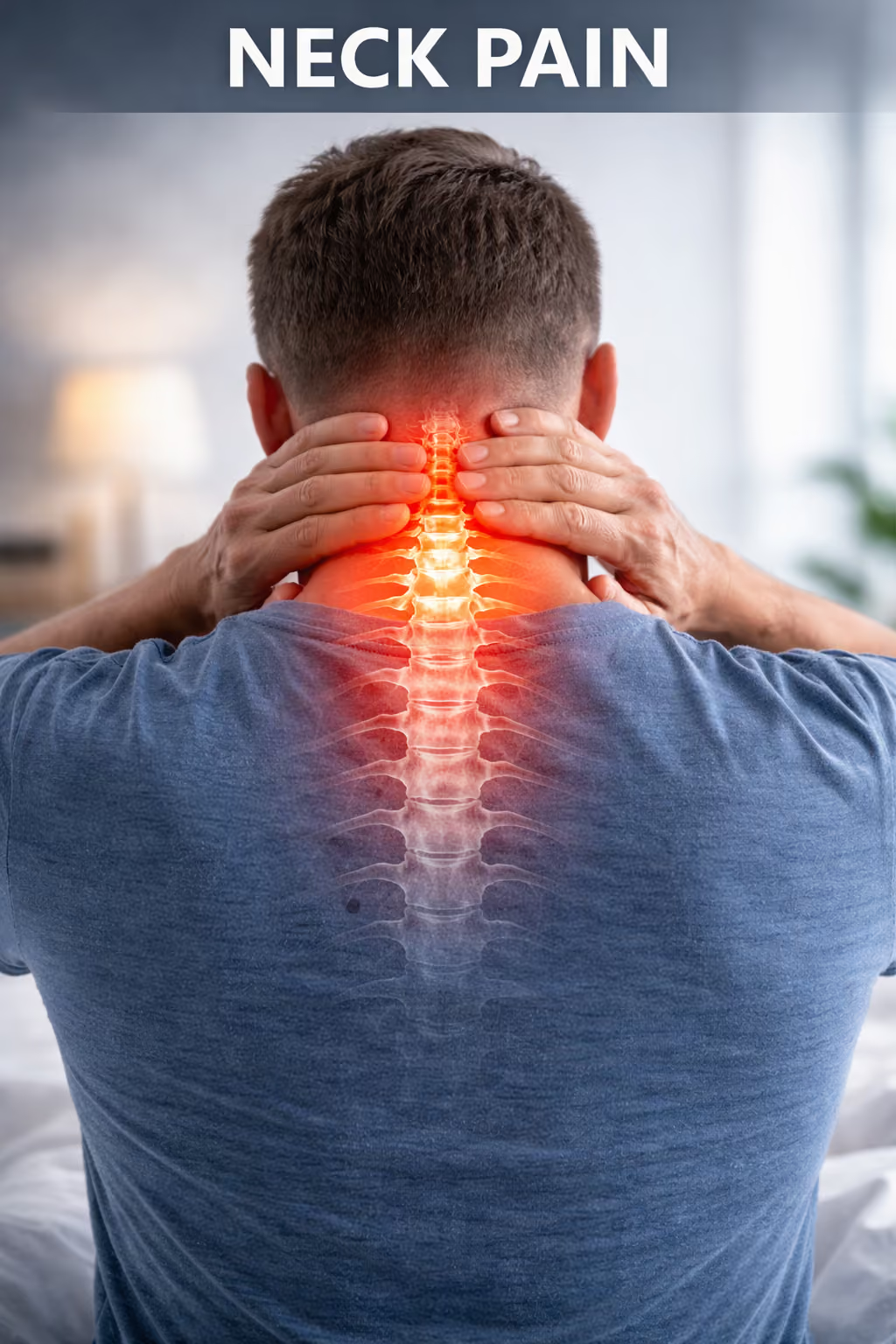
Neck pain refers to discomfort, stiffness, or soreness in the cervical spine, the upper part of the spine that supports the head and allows movement. The cervical spine is made up of vertebrae, discs, muscles, ligaments, and nerves that work together to provide stability and flexibility.
Because the neck supports the weight of the head and allows a wide range of motion, it is particularly vulnerable to strain and injury. Pain can occur due to muscle tension, joint inflammation, nerve compression, or spinal problems.
Neck pain can sometimes spread to other areas, including the shoulders, upper back, or arms, especially when nerves are involved.
The symptoms of neck pain vary depending on the cause and severity of the condition. Some people may experience mild stiffness, while others may develop severe pain that affects movement.
Common symptoms include:
In some cases, neck pain may worsen after prolonged sitting, working at a computer, or using mobile devices for extended periods.
If nerve compression occurs, patients may also experience symptoms such as shooting pain down the arm, which is known as cervical radiculopathy.
Neck pain can result from a variety of conditions affecting muscles, joints, nerves, or spinal structures.
One of the most common causes of neck pain is muscle strain caused by poor posture. This frequently occurs in people who spend long hours using computers, smartphones, or other digital devices.
Activities that may strain the neck include:
These habits can cause muscle tension and stiffness in the neck.
As people age, the structures of the cervical spine gradually wear down. This process can lead to several conditions, including:
Age-related wear and tear of spinal discs and joints, which can cause stiffness and pain. Degeneration of the joints between vertebrae can cause chronic pain and reduced mobility.
These conditions are more common in individuals over the age of 40 but can also occur in younger population.
When a spinal disc bulges or ruptures, it can press on nearby nerves, leading to neck pain and radiating symptoms in the arms.
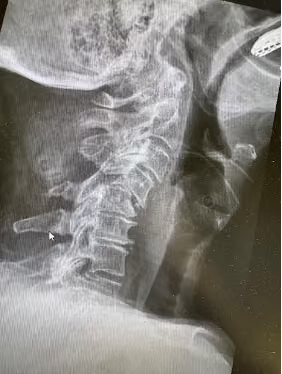
Slippage of one Vertebra against the one below
Traumatic injuries can cause sudden neck pain. One of the most common examples is whiplash, which occurs when the head is rapidly forced backward and forward during car accidents.
Whiplash can stretch or tear neck muscles and ligaments, resulting in pain, stiffness, and headaches.
Sports injuries and falls may also cause neck pain.
Nerves exiting the cervical spine may become compressed due to herniated discs, bone spurs, or spinal narrowing.
When nerve compression occurs, patients may experience:
These symptoms may require specialized treatment from a spine specialist.
Certain medical conditions can also contribute to neck pain. Although less common, they may include:
If neck pain occurs along with fever, severe headache, or neurological symptoms, immediate medical evaluation is recommended.
Several factors increase the likelihood of developing neck pain, including:
Maintaining healthy habits can help reduce the risk of neck problems.
While mild neck pain often improves with rest and simple home care, certain symptoms require medical attention.
You should consult a doctor if neck pain:
Early evaluation can help identify serious conditions and prevent complications.
At Fakeeh University Hospital Dubai, neck pain is evaluated using a comprehensive diagnostic approach.
Doctors first review symptoms, medical history, posture, and range of motion in the neck.
If needed, diagnostic imaging may include:
• X-rays to evaluate spinal alignment
• MRI scans to assess discs, nerves, and soft tissues
• CT scans to examine bone structures
Doctors may also evaluate nerve function to identify potential nerve compression.
These tests help determine the exact cause of neck pain and guide appropriate treatment.
Treatment depends on the underlying cause and severity of symptoms.
Most cases of neck pain improve with non-surgical treatment.
Common approaches include:
Physical therapy helps strengthen neck muscles, improve flexibility, and restore proper posture.
Doctors may recommend pain relief strategies to reduce inflammation and discomfort.
Simple changes such as improving posture, adjusting workstation ergonomics, and performing regular stretching exercises can significantly reduce neck strain.
When conservative treatment is not effective, additional options may be considered.
These may include:
.avif)
Advanced procedures are recommended only when necessary and after careful evaluation.
Preventing neck pain involves maintaining healthy habits and reducing strain on the cervical spine.
Tips include:
Simple lifestyle changes can significantly reduce the risk of developing chronic neck pain.
Fakeeh University Hospital provides advanced care for patients with neck pain and spine-related conditions.
Key advantages include:
Our specialists work closely together to provide accurate diagnosis and effective treatment.
If you are experiencing persistent neck pain, stiffness, or related symptoms, early diagnosis can help prevent complications and improve recovery.
Book an appointment at Fakeeh University Hospital Dubai to receive expert evaluation and personalized treatment from our spine consultants






.avif)