By clicking “Accept All”, you agree to the storing of cookies on your device to enhance site navigation, analyze site usage, and assist in our marketing efforts.
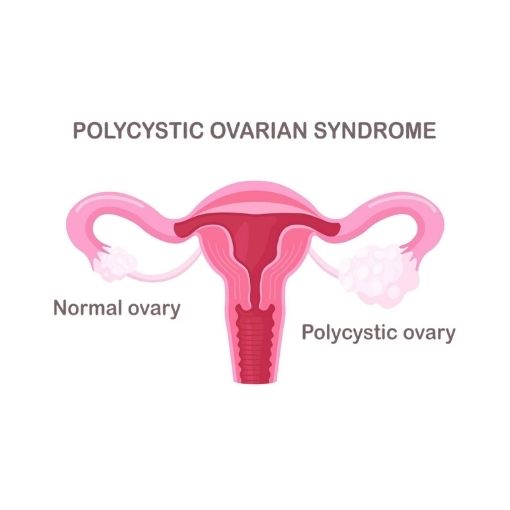
Polycystic Ovary Syndrome (PCOS) is a common hormonal and metabolic disorder affecting women of reproductive age. Clinically defined by the Rotterdam Criteria, PCOS is characterized by irregular or absent menstrual periods, elevated levels of male hormones (androgens), and multiple small fluid-filled follicles on the ovaries.
PCOS affects nearly one in ten women globally, making it one of the most common causes of infertility. Women with PCOS often experience a variety of symptoms that can impact their quality of life. Understanding these symptoms and knowing when to seek medical advice is essential for effective management.
Irregular Menstrual Cycles: One of the most common symptoms of PCOS is irregular periods. Menstrual cycles may be longer or shorter than average, and some women may experience infrequent or absent periods altogether.
Excess Androgen Levels: PCOS can cause an increase in androgen hormones, such as testosterone. This can lead to skin and hair symptoms like acne, excessive hair growth (hirsutism), and male-pattern baldness. It can also lead to skin becoming thickened, velvety, and darkened in some areas called acanthosis nigricans.
Polycystic Ovaries: As the name suggests, PCOS can lead to the development of multiple small cysts on the ovaries. However, not all women with PCOS have cysts, and the presence of cysts alone does not confirm the diagnosis.
Weight Gain and Obesity: Many women with PCOS struggle with weight gain or have difficulty losing weight. This symptom is often linked to insulin resistance, which is common in women with the condition.
Thinning Hair or Hair Loss: Some women with PCOS may experience thinning hair or hair loss on the scalp, which is another sign of elevated androgen levels.
Mood Swings and Emotional Distress: PCOS can also affect a woman’s emotional well-being, with symptoms like mood swings, anxiety, and depression. Hormonal imbalances and the challenges of managing symptoms can contribute to emotional distress.
Infertility: PCOS is the most common cause of female infertility due to anovulation.
What causes polycystic ovary syndrome (PCOS) ?
The exact cause of PCOS remains unknown, but several factors are believed to play a role in its development:
Genetics: PCOS often runs in families. If your mother or sister has PCOS, you may be at higher risk of developing the condition.
Insulin Resistance: Insulin is a hormone that helps the body use sugar from food for energy. Many women with PCOS have insulin resistance, which means the body's cells do not respond normally to insulin. This leads to elevated insulin levels, which can trigger an increase in androgen production by the ovaries, contributing to symptoms of PCOS.
Inflammation: Low-grade inflammation is common in women with PCOS. This can cause the ovaries to produce excess androgens, leading to symptoms such as hirsutism and acne.
Hormonal Imbalances: An imbalance in reproductive hormones, including elevated levels of luteinizing hormone (LH) and androgens, can disrupt the normal menstrual cycle and cause symptoms associated with PCOS.
How do you diagnose polycystic ovary syndrome?
Diagnosing PCOS typically involves a combination of medical history, physical examination, and laboratory tests. To confirm a diagnosis, doctors will look for the following:
Medical History: A detailed medical history, including information about menstrual cycles, weight changes, and symptoms such as excessive hair growth or acne, helps in making the diagnosis.
Physical Examination: A doctor may examine for signs of excess hair growth, acne, and other physical symptoms linked to elevated androgen levels.
Blood Tests: Hormone levels are checked to assess androgen levels, as well as other hormones that could indicate ovarian or thyroid disorders. Blood sugar and cholesterol levels may also be tested to evaluate the risk of diabetes and cardiovascular disease.
Pelvic Ultrasound: A pelvic ultrasound may be performed to check for enlarged ovaries and the presence of multiple small follicles (cysts).
If any of these signs sound familiar, book your consultation with Dr. Stuti Mishra, Specialist Obstetrics and Gynecology at Fakeeh (Dubai Silicon Oasis).
Advanced PCOS Treatment Options in Dubai
Treatment for PCOS focuses on managing symptoms and preventing long-term health risks. The treatment approach will vary depending on the woman's age, symptoms, and desire to become pregnant. Common treatment options include:
A Balanced Diet: Focus on a whole foods diet rich in fruits, vegetables, lean proteins, and healthy fats. Limit processed foods, refined sugars, and carbohydrates, as they can exacerbate insulin resistance and hormonal imbalances. Choose low-glycemic index foods that help stabilize blood sugar levels.
Regular Physical Activity: Engaging in regular exercise helps manage weight and improves insulin sensitivity and hormone regulation. Incorporate a mix of cardio exercises, strength training, and mind-body activities like yoga or tai chi to promote overall well-being.
Stress Management: Chronic stress can worsen PCOS symptoms. Incorporate stress management techniques such as meditation, deep breathing exercises, or engaging in activities that bring you joy and relaxation into your daily routine. Prioritize self-care and make time for activities that promote mental and emotional well-being.
Adequate Sleep: Prioritize quality sleep to support hormone regulation and overall health. Aim for 7-8 hours of uninterrupted sleep each night. Create a bedtime routine that promotes relaxation, such as avoiding screens before bed, creating a calm sleeping environment, and practicing good sleep hygiene.
Maintain a Healthy Weight: Maintaining a healthy weight can help manage insulin resistance and hormonal imbalances. Focus on gradual, sustainable weight loss if necessary. Remember not to succumb to dangerous dietary fads - a natural approach combining a balanced diet and regular exercise works best. Consult with a gynecologist for personalized guidance since the condition and its symptoms vary.
Build a Support Network: Surround yourself with a supportive network of family, friends, and healthcare professionals who understand and empathize with you. Joining support groups or online communities can provide valuable emotional support, information sharing, and coping strategies.
Early diagnosis and treatment can help you manage PCOS effectively and prevent long-term complications. If you suspect you may have PCOS or are experiencing symptoms, schedule a consultation with our specialists at Fakeeh University Hospital. We provide comprehensive care for women with Polycystic Ovary Syndrome (PCOS). Our experienced team of gynecologists and endocrinologists offers personalized treatment plans to help manage symptoms, regulate menstrual cycles, and improve fertility. With state-of-the-art facilities and a patient-centered approach, FUH is committed to delivering the highest quality care.
Polycystic Ovary Syndrome PCOS - FUH Webinar
Take Control of Your Hormonal Health Today
Visit Fakeeh University Hospital at Dubai Silicon Oasis for expert PCOS diagnosis and treatment.
While both conditions involve the ovaries and hormonal balance, they differ in severity:
PCOD (Polycystic Ovarian Disease): A condition where the ovaries release immature or partially mature eggs, which can form temporary fluid-filled sacs (cysts). PCOD is often managed effectively through structured diet, exercise, and lifestyle modifications.
PCOS (Polycystic Ovary Syndrome): A complex metabolic and endocrine disorder caused by elevated androgen (male hormone) production. It affects a woman’s entire reproductive system and metabolism, requiring comprehensive medical supervision to prevent long-term risks such as type 2 diabetes and infertility.
Can I get pregnant naturally if I have PCOS?
Yes. Having PCOS does not mean you cannot get pregnant. Because PCOS causes irregular or absent ovulation, conceiving can take longer. At Fakeeh University Hospital, our specialists help restore natural ovulation through targeted treatments
Do I need to have ovarian cysts to be diagnosed with PCOS?
No. Despite the name "Polycystic Ovary Syndrome," you do not need to have visible cysts on an ultrasound to have PCOS. Under the clinical Rotterdam Criteria, a diagnosis requires meeting at least two of the following three features:
Irregular or absent menstrual periods.
High levels of androgen hormones (confirmed via blood tests or physical signs like acne and hirsutism).
Polycystic ovaries visible on an ultrasound (12 or more small follicles per ovary).
what are the cause for pcos
PCOS is caused by a combination of genetics, insulin resistance, elevated androgen (male hormone) levels, and chronic low-grade inflammation.
Does insulin resistance cause PCOS?
Yes. Excess insulin signals the ovaries to produce extra testosterone. This stops eggs from maturing and disrupts normal monthly ovulation.

.jpg)




%25252520(1).avif)